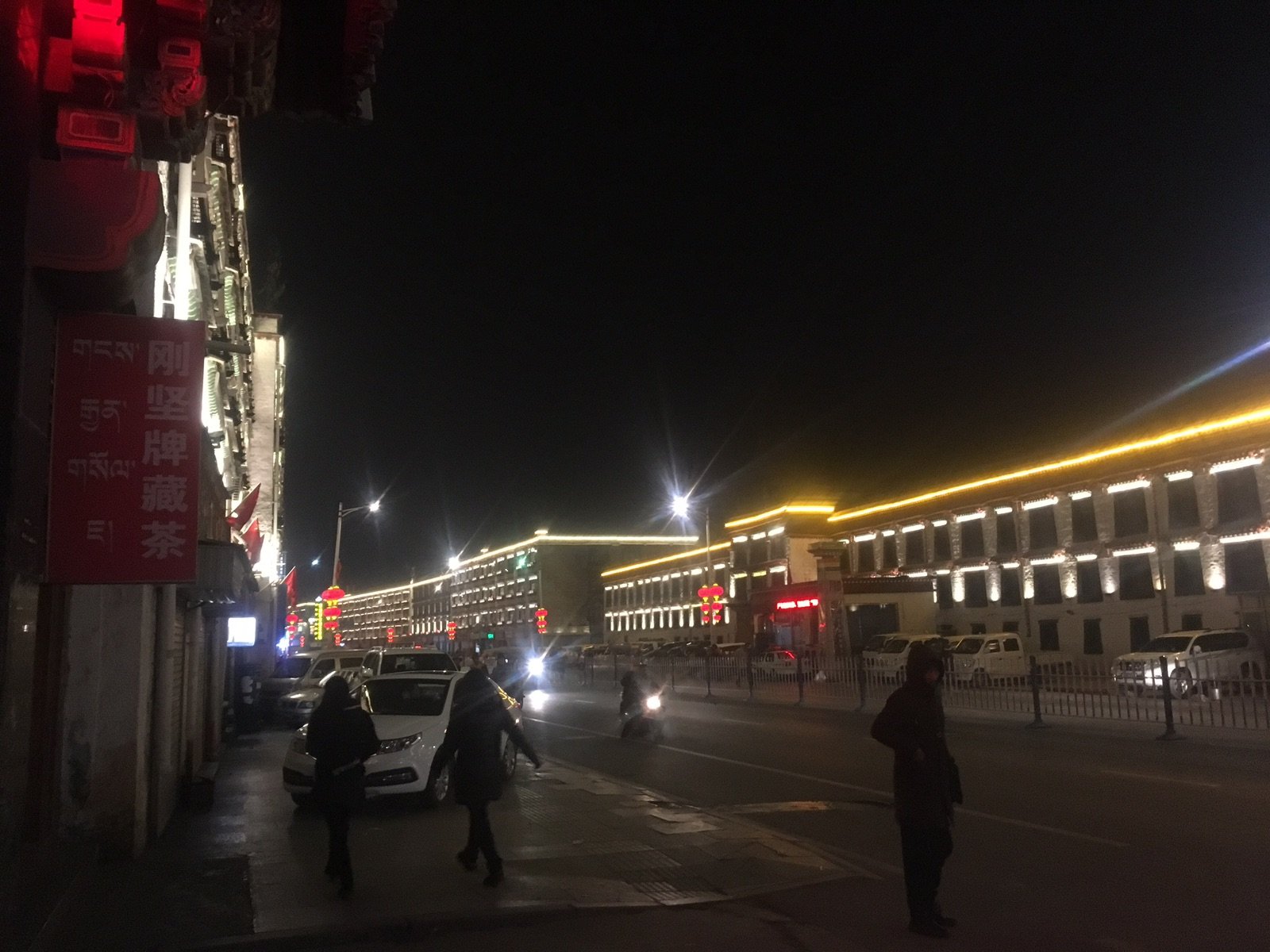
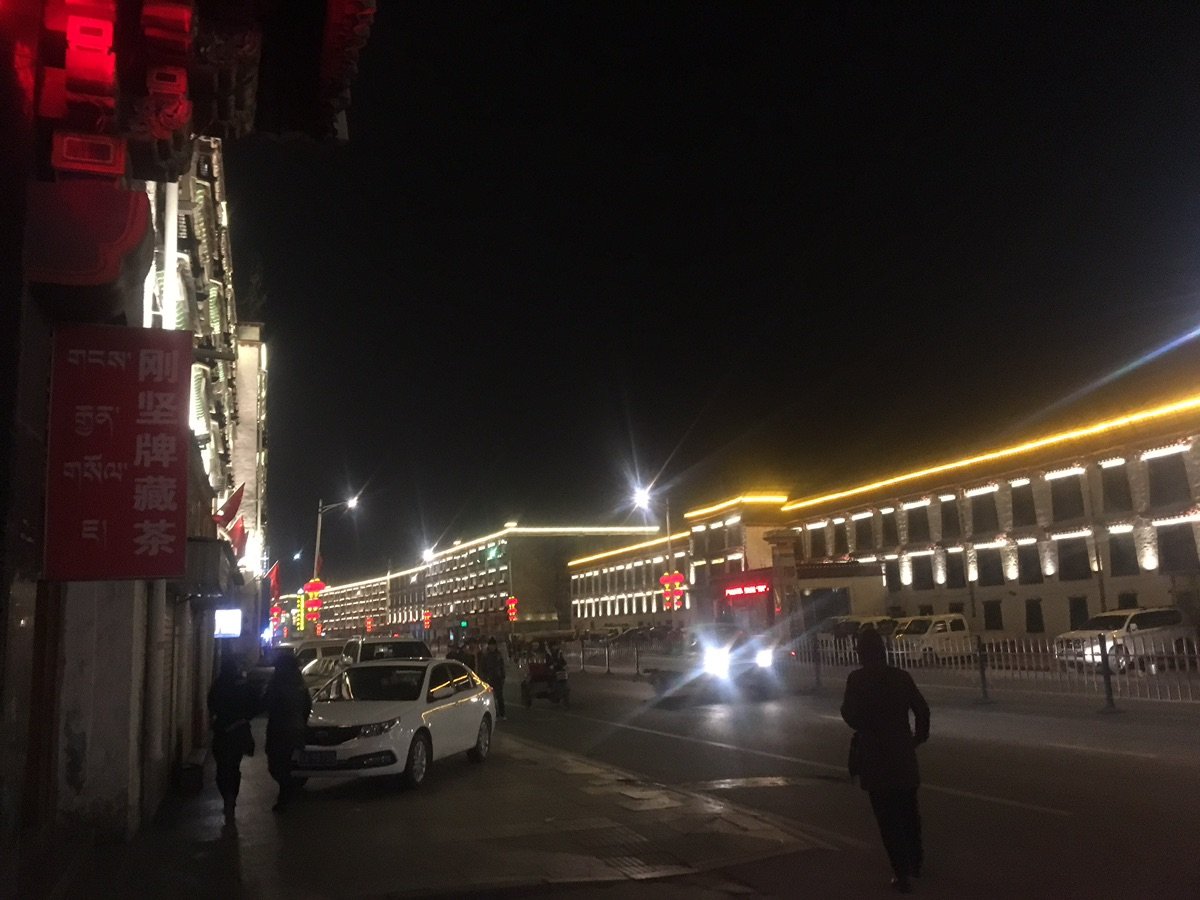
Walking through the streets of Lhasa, the capital of China’s Tibet Autonomous Region, one is immediately struck by its unique beauty, especially at night. A particular commercial street stands out, lined with traditional Tibetan architecture, its rooftops and window frames adorned with warm, golden lights. Amidst this enchanting scenery, a prominent red sign on the left catches the eye: “刚坚牌藏茶” (Gangjian brand Tibetan Tea), with Tibetan script below. This sign serves as an inviting gateway to the rich tea culture of Tibet, revealing that this city is not just a collection of scenic views, but a living tapestry of history and tradition.
Background and Context
Tibetan tea has been a lifeline for Tibetan culture for centuries. Its roots trace back to the Tang Dynasty, transported across the Tibetan Plateau via the ancient Tea Horse Road. More than just a beverage, this tea served as a crucial source of nutrition, medicine, and social interaction for the Tibetan people enduring harsh climatic conditions. Brands like “Gangjian” uphold this rich history, preserving traditional methods and playing a vital role in shaping Tibetan identity. This sign is not merely an advertisement for a tea shop; it’s a cultural emblem connecting Tibet’s past with its vibrant present.
Atmosphere
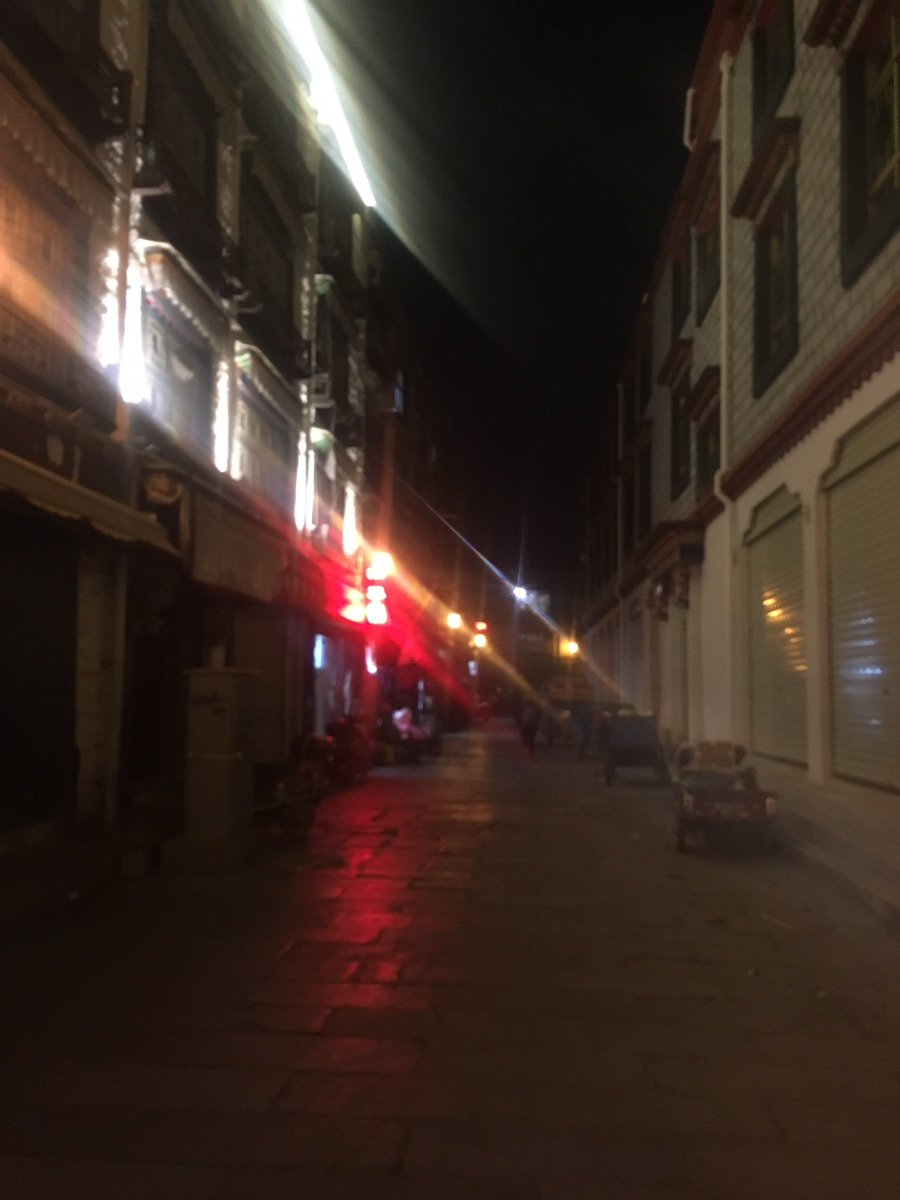
Lhasa’s commercial streets at night possess a unique atmosphere, a blend of bustle and tranquility. The brilliant glow from streetlights and shopfronts outlines the beautiful details of the buildings against the dark night sky. The golden lights cast a warm, inviting layer of illumination over the street, encouraging pedestrians to linger and appreciate the surrounding beauty. The movement of people, the flicker of headlights from cars and motorbikes, all speak to the dynamic pulse of Lhasa, where modern life converges with centuries of tradition. Walking this street feels like stepping through time, offering an intimate glimpse into the profound spirit of Tibetan culture.
Best Timing
The best time to experience this enchanting commercial street in Lhasa is undoubtedly in the evening. As the sun sets and the buildings are lit up with their golden glows, the atmosphere becomes most magical. Seasonally, spring (April-May) and autumn (September-October) offer the most comfortable weather, with mild temperatures and often clear skies. These periods also tend to have fewer crowds, allowing for a more serene exploration.
Key Highlights
- Distinctive Tibetan Architecture: The intricate designs and traditional styles reflect the rich cultural heritage of the region.
- Golden Night Illuminations: Emphasizing the contours of the buildings and creating an ethereal ambiance.
- Authentic Tibetan Tea Culture: An opportunity to experience the historical tea of the region, perhaps at a Gangjian Tibetan Tea Shop.
- Bustling yet Calm Evening Ambiance: A perfect balance of lively street life and cultural serenity.
- People-Watching and Street Life: Observe locals and travelers interact, catching a glimpse of daily life in Lhasa.
Traveler’s Memo
Access
This commercial street in Lhasa is easily accessible on foot from many major tourist attractions. Taxis and local buses are also readily available. Being in the city center makes it very convenient for a leisurely stroll.
Budget
Prices for Tibetan tea vary by type and quality but are generally affordable. Street food and local snacks are also very reasonably priced. You can find a range of items in this area, from high-end souvenirs to budget-friendly mementos.
Recommended Gourmet
When in this area, be sure to try Tibetan tea, often served with butter and salt, offering a unique flavor profile. Also, try Tsampa (roasted barley flour), a traditional Tibetan staple, as well as Momo (Tibetan dumplings), and various local street snacks.
Nearby Spots
- Potala Palace: The iconic symbol of Lhasa and a sacred site of Tibetan Buddhism, a UNESCO World Heritage site.
- Jokhang Temple: One of the most sacred temples in Tibetan Buddhism and a pilgrimage center.
- Barkhor Street: A bustling market and pilgrim circuit surrounding the Jokhang Temple, perfect for souvenir hunting and local cultural immersion.