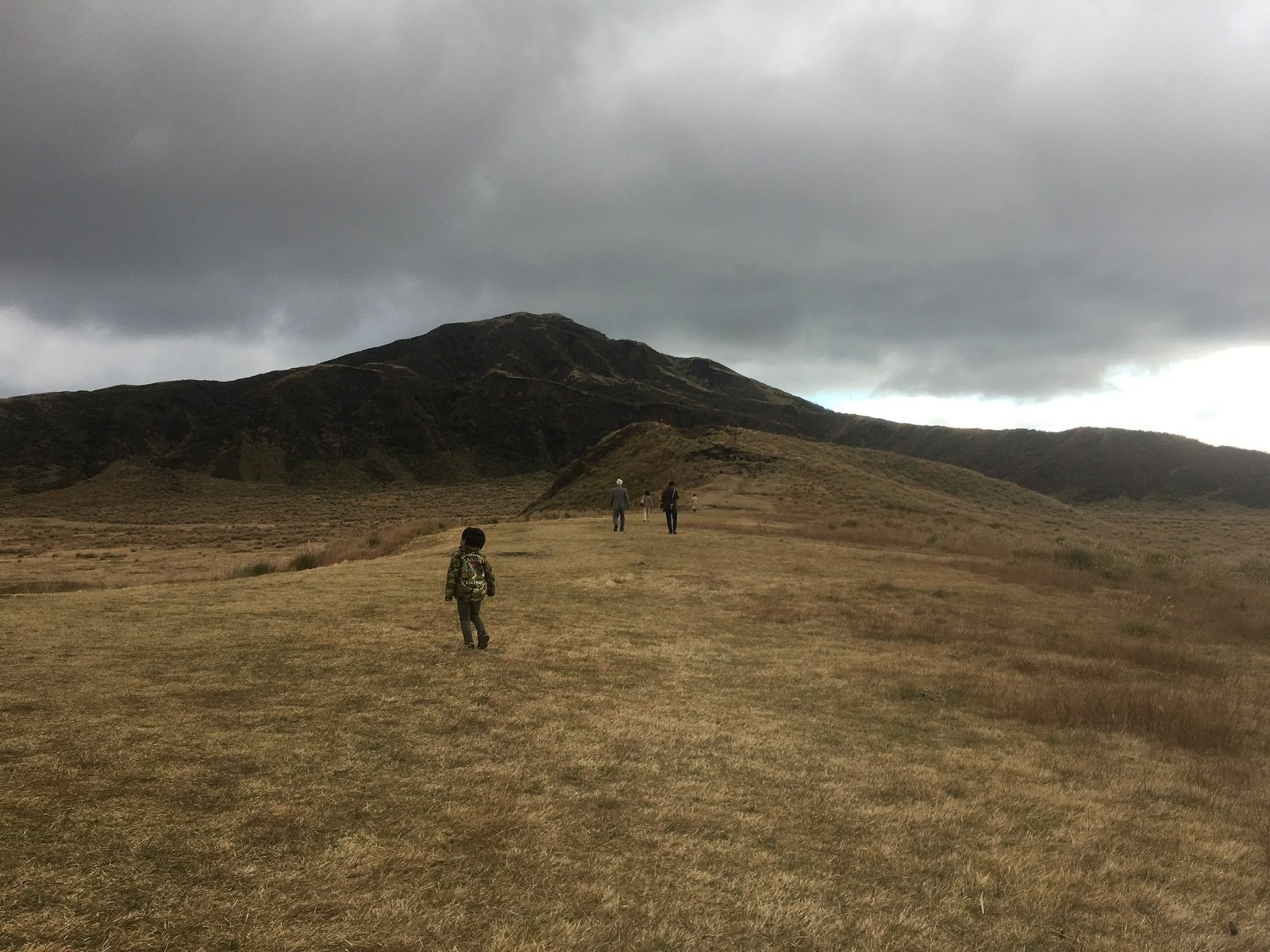
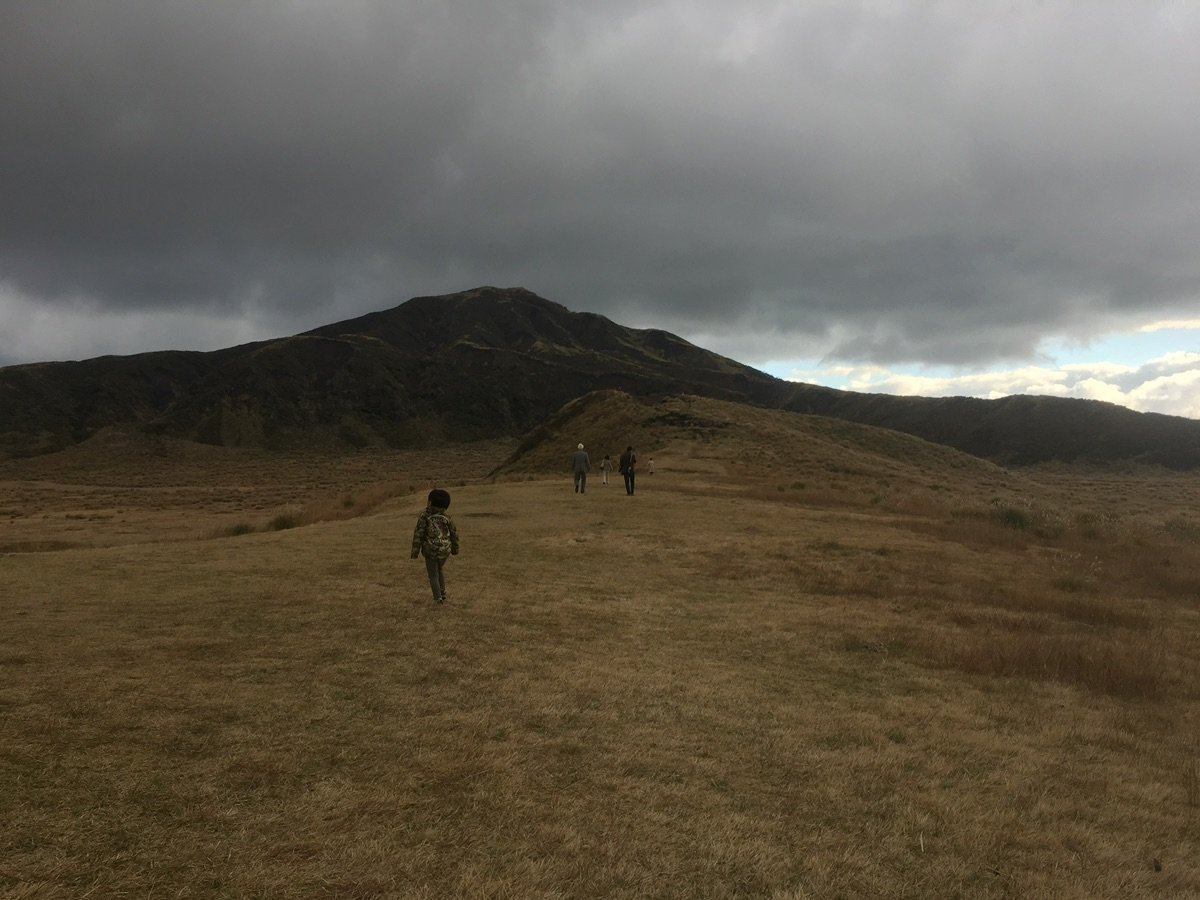
Imagine walking across an immense, rolling plain, dwarfed by ancient volcanic peaks under a sky that shifts from serene grey to dramatic cloudscapes. This isn’t just a scene from a dream; it’s the breathtaking reality of Kusasenri-ga-hama, nestled within the colossal Aso Caldera in Japan’s Kumamoto Prefecture. This iconic landscape offers a profound connection to nature’s raw power and enduring beauty, a must-visit for any traveler seeking an unforgettable outdoor experience.
The Ancient Breath of Aso: Shaping Kyushu’s Heart
The Aso Caldera, one of the world’s largest, is a testament to immense geological forces that have shaped the island of Kyushu over millennia. What you see today – these sweeping plains and formidable peaks – are the remnants of colossal eruptions that occurred hundreds of thousands of years ago. Walking here, particularly across the grassy expanses of Kusasenri-ga-hama, you are literally treading on the floor of a collapsed volcano. It’s a landscape that constantly reminds you of the earth’s dynamic nature, where life thrives resiliently in the shadow of active geology. This dramatic history isn’t just a scientific fact; it’s an immersive story told by every ridge and every gust of wind across the plains.
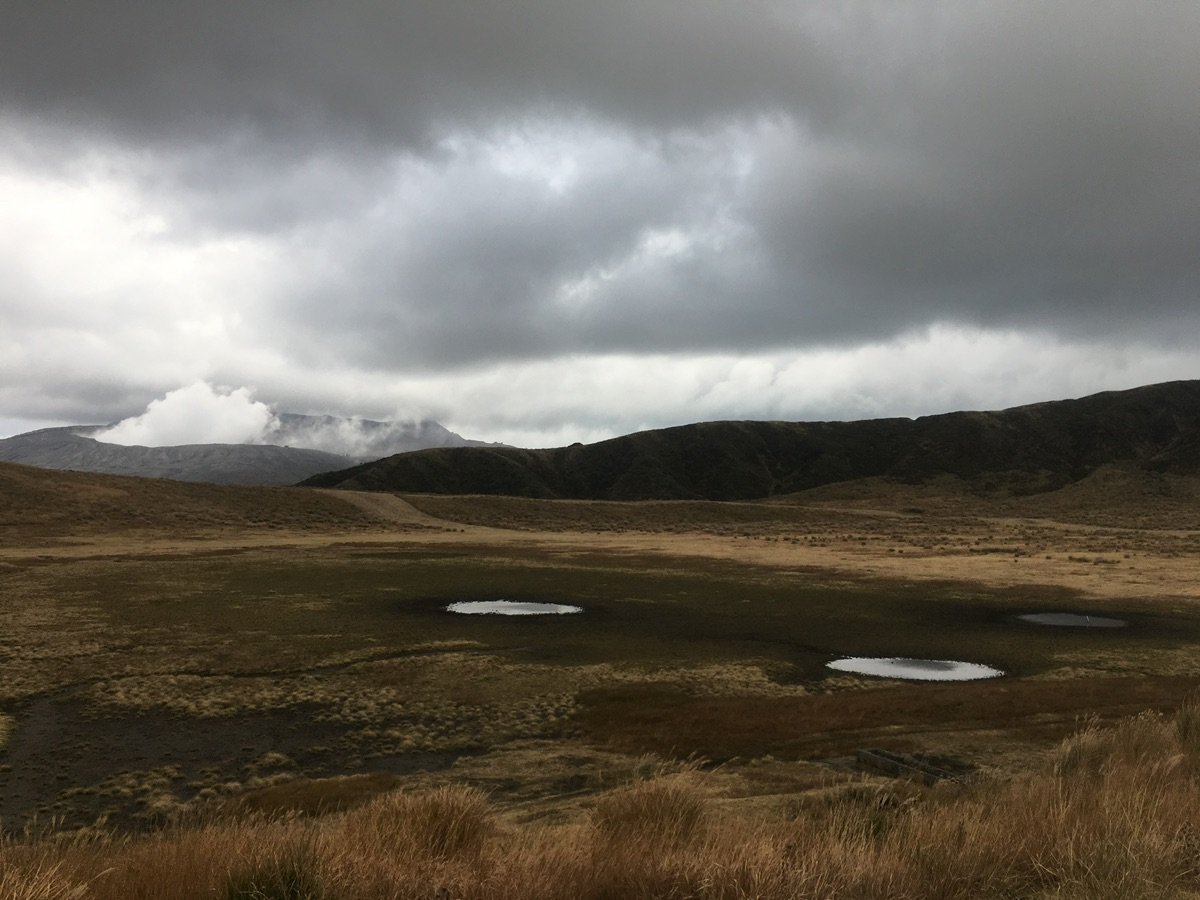
The caldera’s formation created fertile land, making it a crucial agricultural region, but it’s the raw, untamed beauty of the inner caldera, like this vantage point, that captivates travelers. The distinctive profile of Mount Nakadake, the active peak, looms large, a constant, gentle reminder of the powerful forces simmering beneath your feet.
Under the Vast Sky: A Symphony of Earth Tones and Open Air
The immediate sensation upon stepping onto Kusasenri-ga-hama is one of immense space and profound quiet. The golden-brown grasslands stretch seemingly endlessly, broken only by gentle undulations and the distant, stoic mountains. The air, often crisp and invigorating, carries the scent of dry grass and occasionally the faint sulfuric hint from the active crater. It’s a place where you can feel the wind truly blow, making the tall grasses sway in hypnotic unison. The dominant colors are earthy: deep browns and ochres of the grass, the charcoal greys and dark greens of the volcanic slopes, all framed by a vast, often dramatically clouded sky. This palette creates a powerful visual experience that feels both ancient and alive.
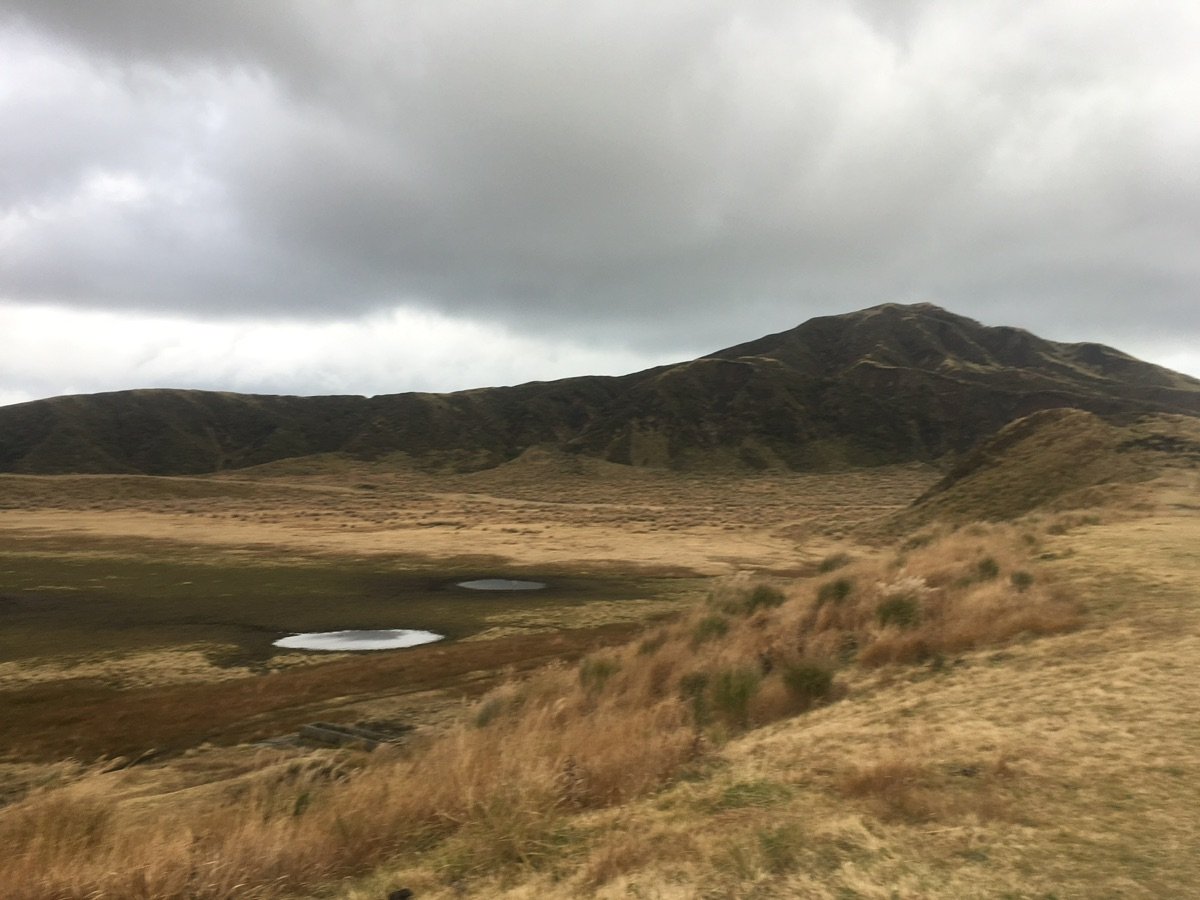
The scale of the landscape is truly humbling. The distant peaks appear almost painted onto the horizon, yet their presence is undeniable. You feel small, yet entirely connected to the vastness around you. It’s a place that encourages introspection, a serene escape where the only sounds are often the wind and your own footsteps.
When to Walk the Plains: Seasons of Aso
Kusasenri-ga-hama offers different moods with each season. Spring (April-May) brings vibrant greens as new grass emerges, often with cattle grazing, presenting a picturesque pastoral scene. Summer (June-August) is lush and warm, though midday can be hot; early mornings or late afternoons are ideal. Autumn (September-November) transforms the plains into a breathtaking expanse of golden and russet hues, a photographer’s dream. Winter (December-March) can be starkly beautiful, often dusted with snow, though strong winds and cold temperatures require proper gear.
Pro-tip: Always check the current volcanic activity levels for Mount Nakadake before your visit. While the plains are generally safe, high activity can sometimes lead to restricted access to certain areas, especially the crater rim. Visit on a weekday if possible to experience a more tranquil atmosphere.
Must-See Details on Your Aso Journey
- The Panoramic Vistas: From Kusasenri-ga-hama, you’ll be treated to sweeping views of the caldera’s central cones, including the iconic Mount Nakadake. The changing light dramatically alters the appearance of these peaks.
- The Golden Grasslands: Take your time to walk through the unique dry grasslands. The texture and movement of the grass underfoot are a sensory experience often overlooked.
- The Scale of the Caldera: Stand still and absorb the sheer vastness. The distance between the plains and the surrounding caldera rim is immense, truly making you appreciate the geological marvel.
- Clouds and Light Play: The weather in volcanic regions can be dynamic. Observe how the clouds cast shadows and how the sunlight creates dramatic contrasts on the mountains and plains.
Traveler’s Memo: Essential Information for Aso
Access (アクセス)
The most convenient way to reach Kusasenri-ga-hama is by car, which offers flexibility for exploring the entire Aso Caldera. There’s a large parking lot available. Alternatively, buses operate from Aso Station (JR Hohi Main Line) directly to Kusasenri. The bus ride takes approximately 30-40 minutes.
Budget (予算)
Visiting Kusasenri-ga-hama itself is free of charge, though parking fees may apply at designated lots (around ¥500-¥1,000 per car). Transportation costs will be the main expense, depending on if you rent a car or use public transport. A bus ticket from Aso Station to Kusasenri is typically around ¥700-¥850 one way.
Recommended Gourmet (おすすめグルメ)
Don’t leave Aso without trying Akagyu (Aso Red Beef), a local specialty known for its lean, flavorful meat. Many restaurants around the caldera offer delicious Akagyu steaks or rice bowls. Also, indulge in the region’s dairy products; Aso milk, ice cream, and cheese are incredibly fresh and rich thanks to the fertile volcanic soil. There are cafes and shops near Kusasenri offering these treats.
Nearby Spots (周辺スポット)
- Mount Nakadake Crater: When safe, take the opportunity to see the active crater up close, with its mesmerizing emerald green lake and plumes of volcanic gas.
- Aso Volcano Museum: Located right next to Kusasenri, this museum offers excellent exhibits and real-time views of the Nakadake crater via live cameras, providing context to the volcanic landscape.
- Komezuka: A perfectly symmetrical, grass-covered volcanic cone that is often considered the symbol of Aso. It’s a short drive from Kusasenri and offers fantastic photo opportunities.