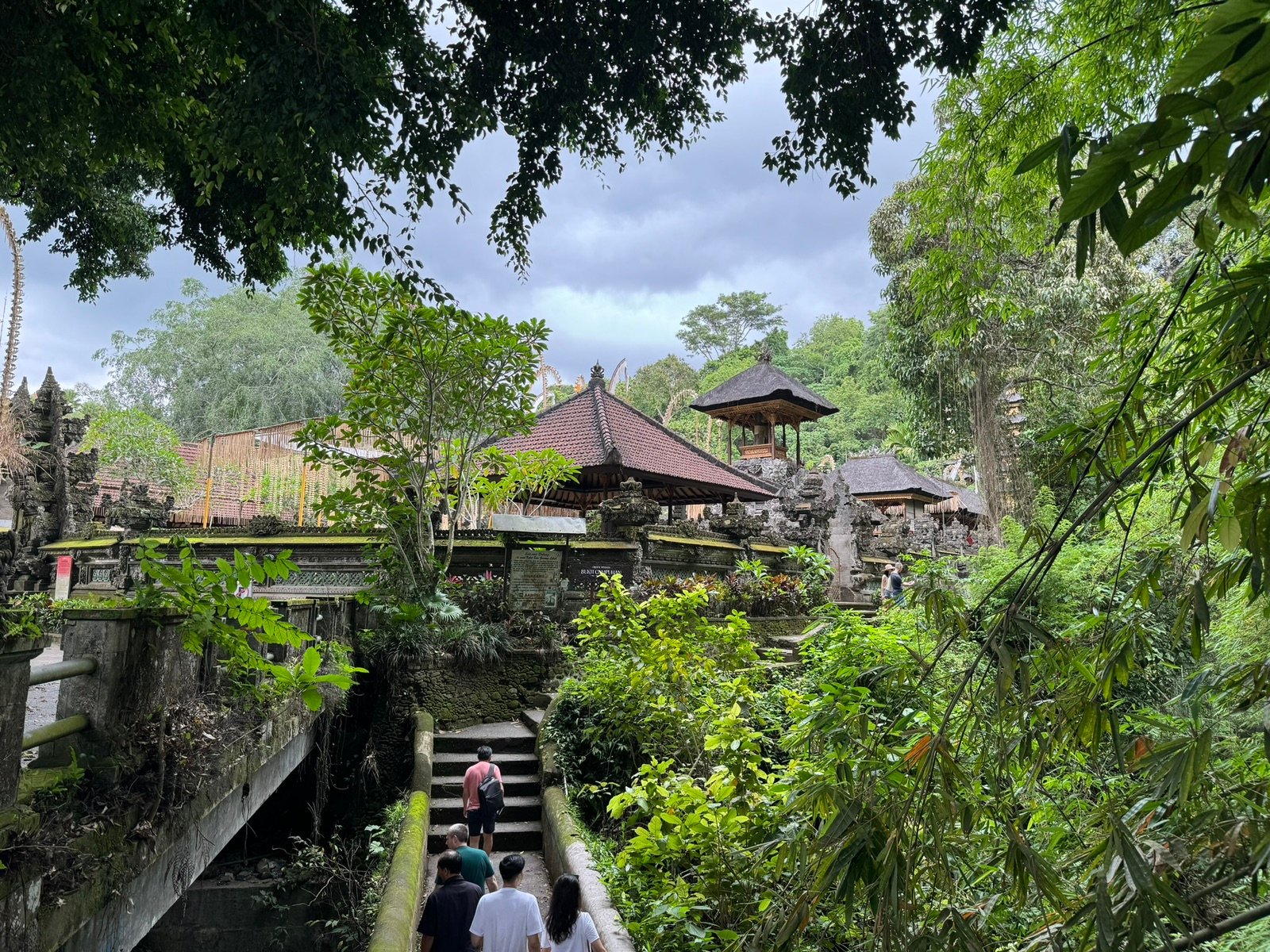
Just a short drive from the bustling heart of Ubud, Bali, lies a place where time seems to slow down. I’m talking about Gunung Kawi Temple, nestled deep in a river valley. After a long descent down countless steps from the parking lot, you’re greeted by a stunning panorama of terraced rice fields and ancient rock-cut temples. It’s a truly special spot in Bali, Indonesia, where history and nature come together for an unforgettable experience.
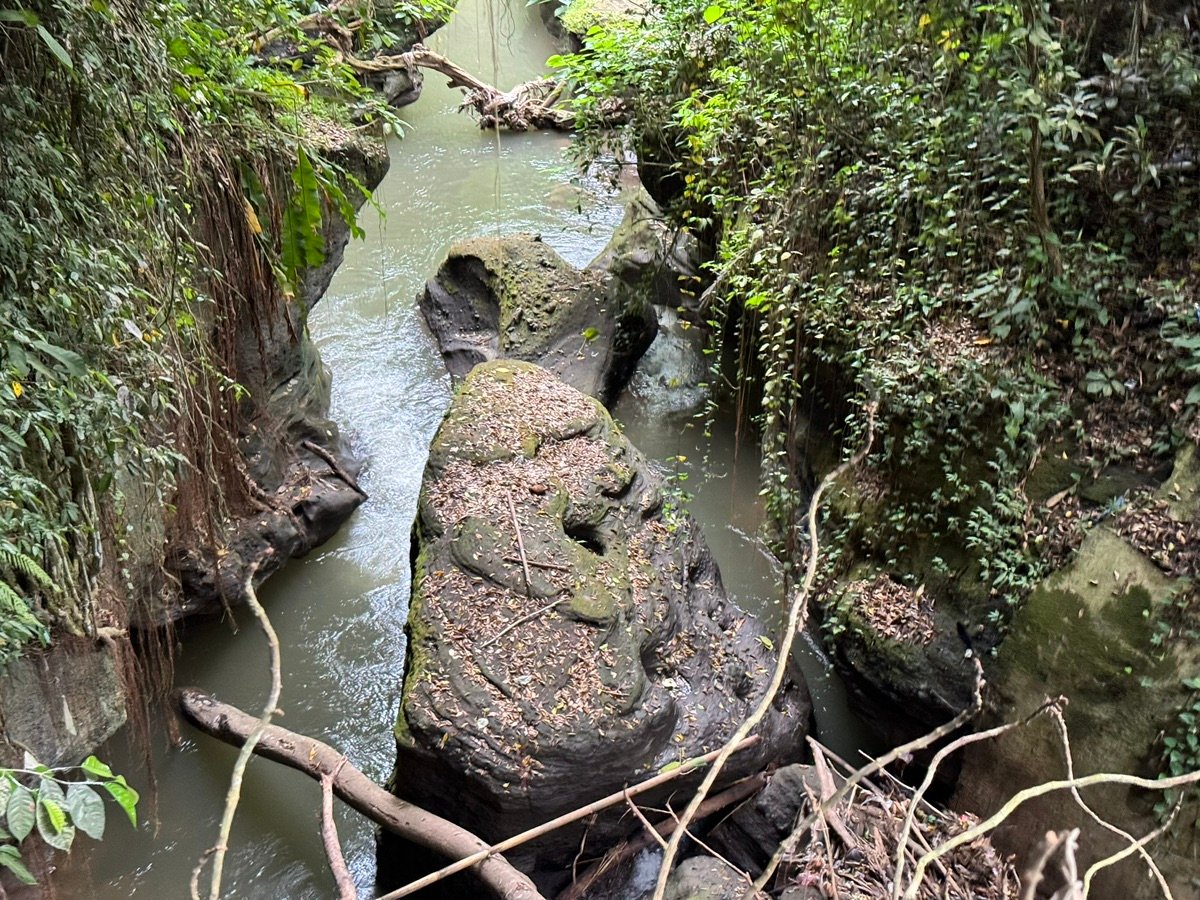
Crossing the River to Discover Ancient Royal Relics
The main attraction at Gunung Kawi Temple is its collection of monumental rock-cut shrines carved into the cliff face. These are believed to be memorials to King Udayana and his family, who ruled in the 11th century. After crossing a river and continuing further, you’ll see these incredible reliefs, standing about 8 meters tall, carved directly into the sheer rock. What makes them even more intriguing is that their exact purpose—whether tombs or commemorative monuments—is still debated. The sheer scale and intricate details of these carvings really show the power of the ancient kings.
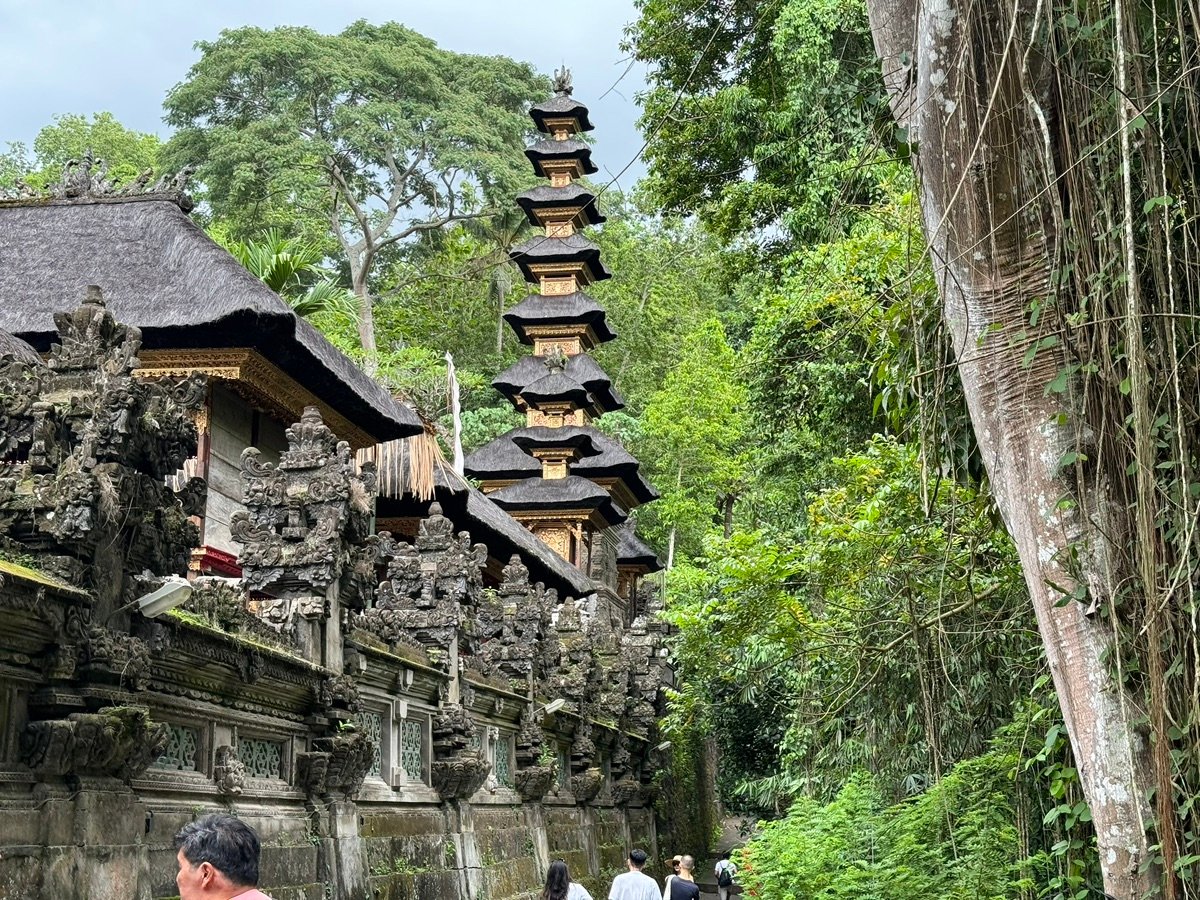
Finding Serenity Amidst Greenery and Quiet
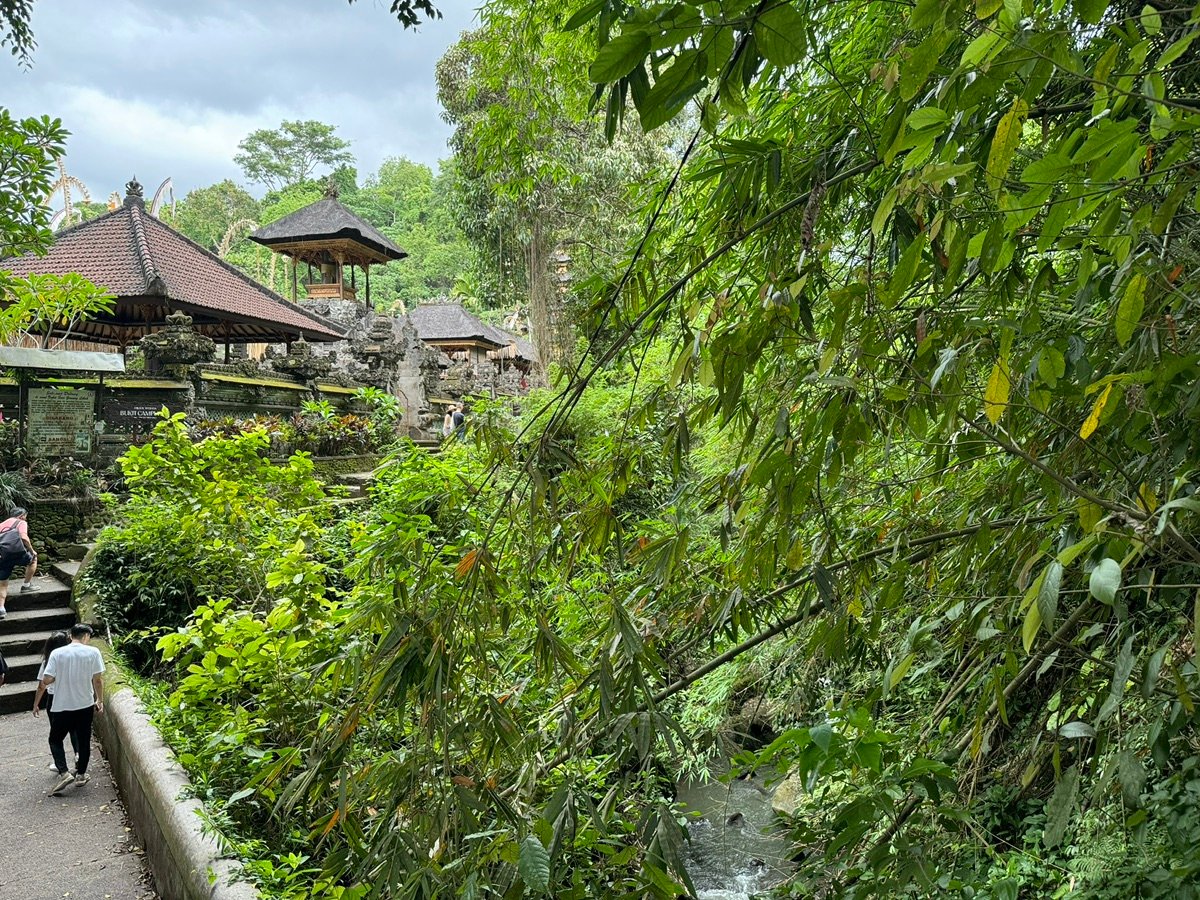
The temple grounds are surrounded by dense greenery and the soothing sound of the flowing river, creating a very peaceful atmosphere. The way the sunlight filters through the trees is just beautiful, and walking through here feels incredibly refreshing. The moss-covered stone walls and old structures tell stories of centuries past. While it can get busy, the extensive grounds mean you can always find a quiet corner to soak it all in. It’s a perfect escape for anyone wanting to forget city noise and spend some time in nature.
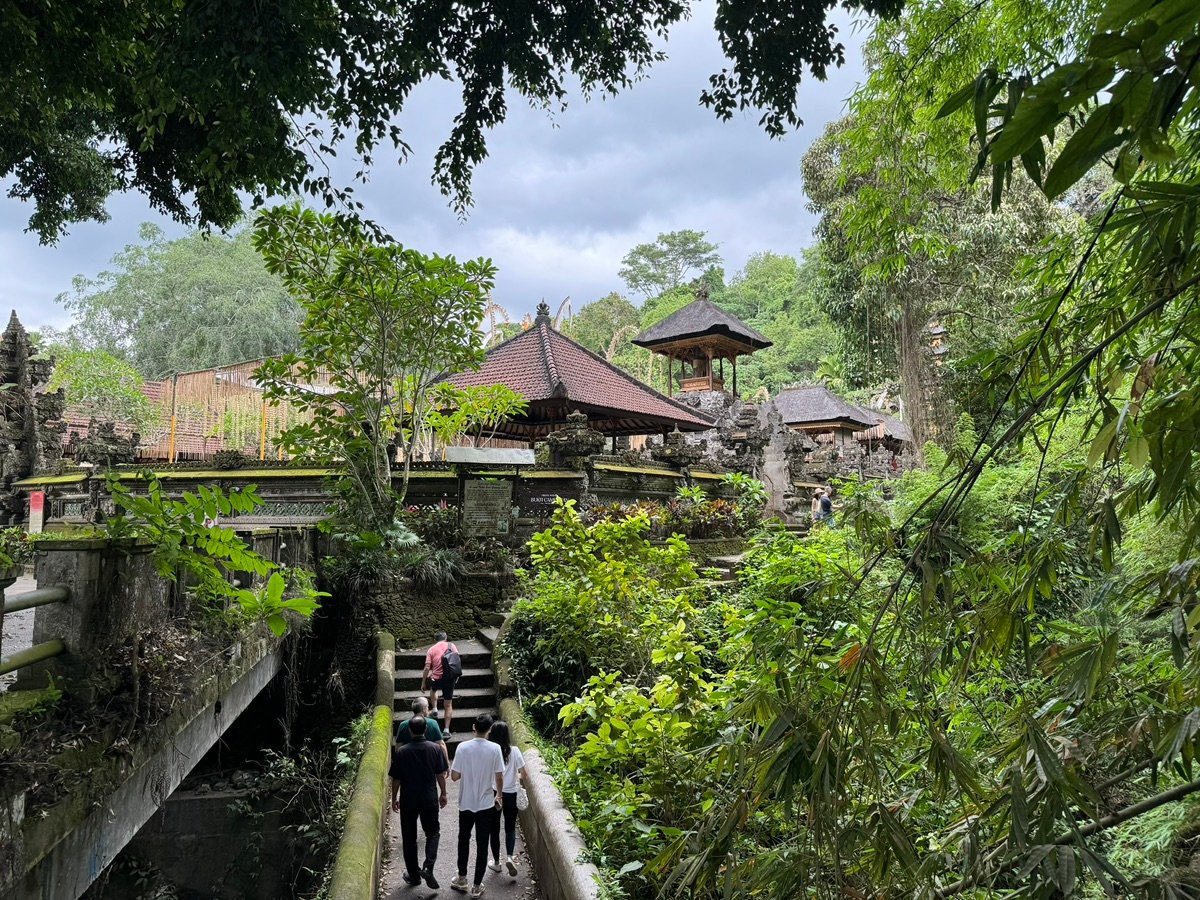
Best Timing: Visit Early to Beat the Crowds
To truly appreciate Gunung Kawi Temple, aim to arrive before 8 AM. You’ll avoid the crowds and enjoy the cooler temperatures while descending the stairs. The soft morning light hitting the rock-cut shrines and rice terraces is particularly stunning. It’s the best way to experience the temple’s tranquil atmosphere.
Must-See Details
- The Giant Rock-Cut Shrines: Located beyond the river, these 8-meter-tall reliefs carved directly into the cliff face are truly impressive. Take a moment to reflect on their historical significance.
- Rice Terraces and Coconut Palms: Along the path to the temple and around the complex, you’ll find beautiful terraced rice fields. These lush green landscapes are quintessential Bali.
- The Valley Bridge: The old bridge spanning the valley is the main entry point to the temple. The views from here are fantastic.
- Moss-Covered Stone Steps: The journey to the temple involves many stone steps, but the moss and vegetation growing on either side enhance the ancient feel of the place.
Traveler’s Memo
Access
Gunung Kawi Temple is about a 40-minute drive from Ubud center. It’s common to hire a taxi or scooter. From the parking area, you’ll need to descend over 300 stone steps to reach the valley floor. The climb back up requires some stamina, but the views are worth it.
Budget
Entrance fee is around 50,000 IDR (approx. $3.50 USD) per adult. Wearing a sarong (waist wrap) is mandatory, but you can rent one at the entrance (either free or for a small fee).
Recommended Gourmet
Near the temple entrance and parking area, you’ll find several local warungs (eateries). After climbing all those stairs, refueling with some mie goreng or nasi goreng and a refreshing cold coconut water is highly recommended. Eating with such a view is an added bonus.
Nearby Spots
- Tirta Empul Temple: A holy water temple with sacred springs, just about a 10-minute drive from Gunung Kawi. It’s a good idea to visit both together.
- Tegalalang Rice Terrace: A famous viewpoint with stunning terraced rice fields, also easily accessible from Gunung Kawi.
- Goa Gajah (Elephant Cave): A mysterious cave temple with an entrance resembling an elephant’s mouth.
FAQ
Is the path to Gunung Kawi Temple difficult?
You will need to descend approximately 300 steps from the parking lot to the main temple area. The return journey involves climbing these steps, so a moderate level of fitness is recommended.
Are there any dress code requirements for visiting the temple?
Yes, all visitors to Balinese temples are required to wear a sarong. You can rent one at the entrance if you don’t have your own.
How much time should I allocate for visiting Gunung Kawi Temple?
Allowing 1.5 to 2 hours is a good estimate, which includes time for descending and ascending the stairs, as well as exploring the temple at a leisurely pace.
Is Gunung Kawi Temple suitable for families with children?
Due to the many steps, carrying very young children might be challenging. Older children who can walk independently will likely enjoy the adventure of exploring the natural surroundings.
Is it advisable to visit during the rainy season?
During the rainy season, the steps can become slippery, and humidity is higher. Visiting during the dry season (around April to September) is generally more pleasant.