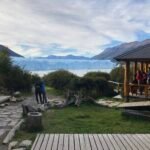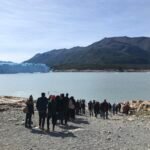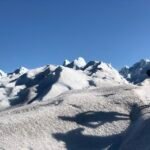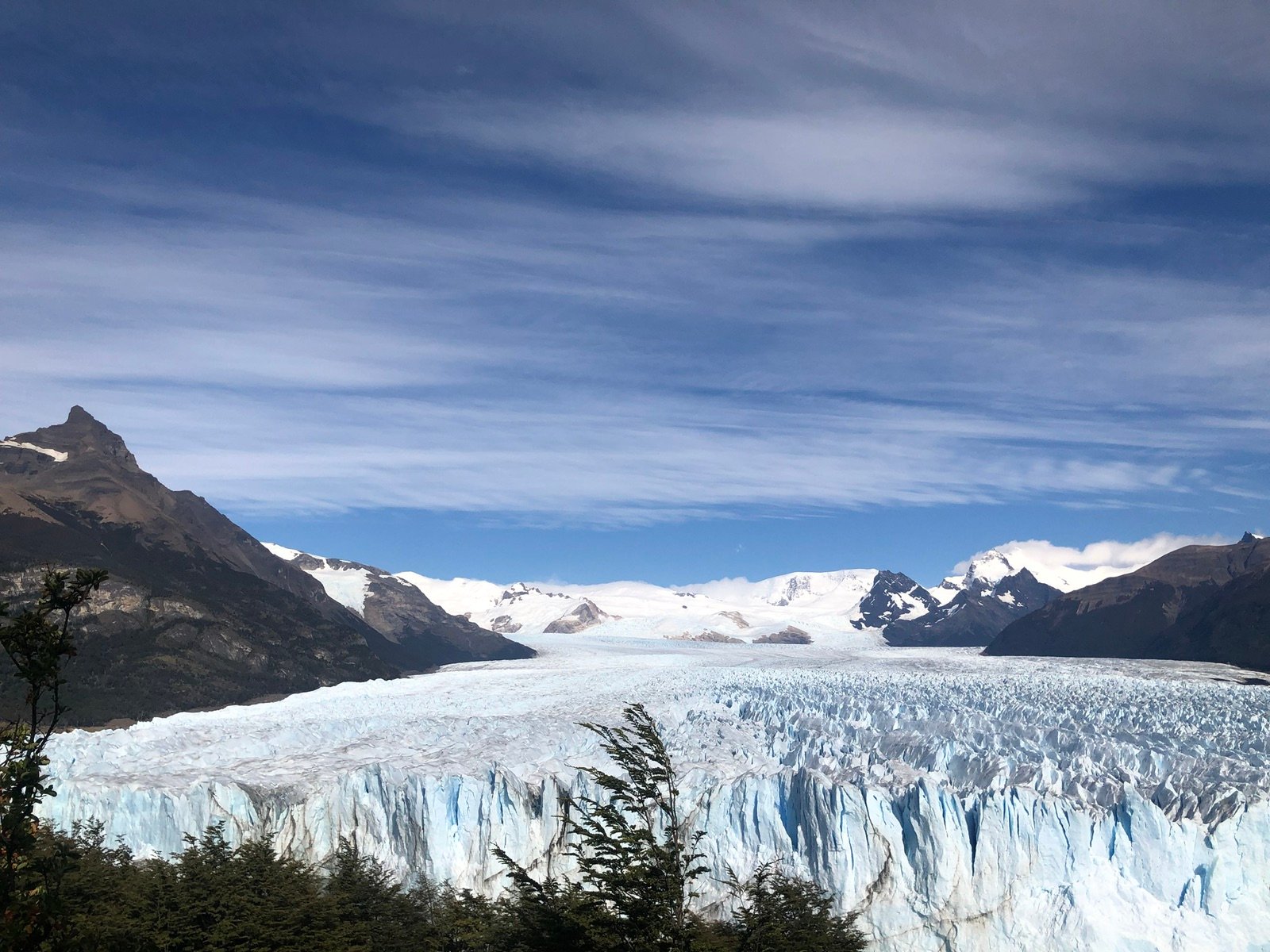
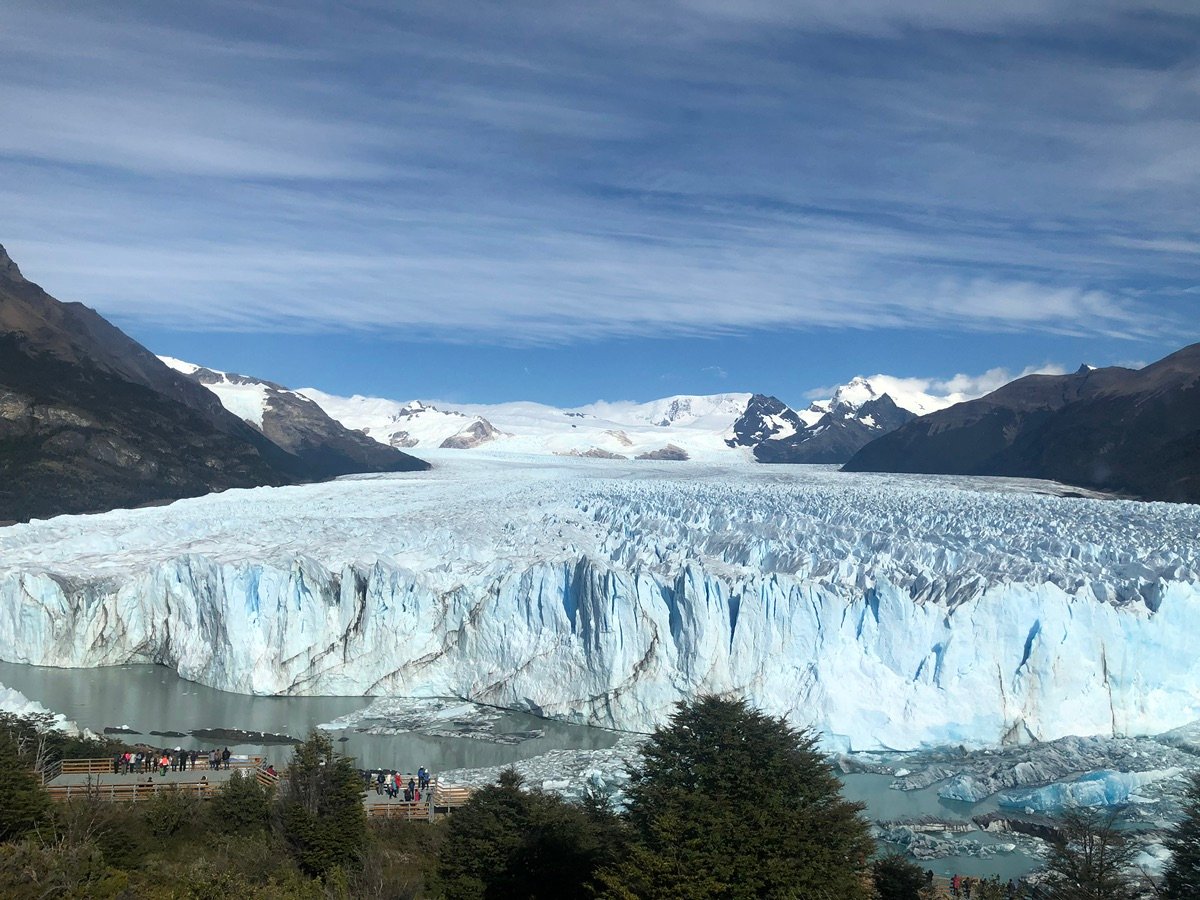
You know that picture of the massive blue ice wall everyone sees online? The one that looks unreal? That’s the Perito Moreno Glacier in Argentina, and let me tell you, standing there in person completely changes everything. It’s not just a big chunk of ice; it’s a living, breathing natural wonder that truly makes you feel tiny in the best way possible.
Why this glacier is constantly putting on a show
Most glaciers around the world are shrinking, but Perito Moreno is one of the few that’s actually stable or even growing. This isn’t some frozen, static landscape; it’s always moving, always changing. The ice pushes forward about two meters a day, creating incredible pressure that leads to dramatic ruptures and massive ice calving events. Locals told me that seeing a huge chunk of ice break off and crash into the water is a common occurrence, making every visit unique. It’s a reminder of nature’s raw power, constantly reshaping itself right before your eyes.
The deep rumble that shakes you to your core
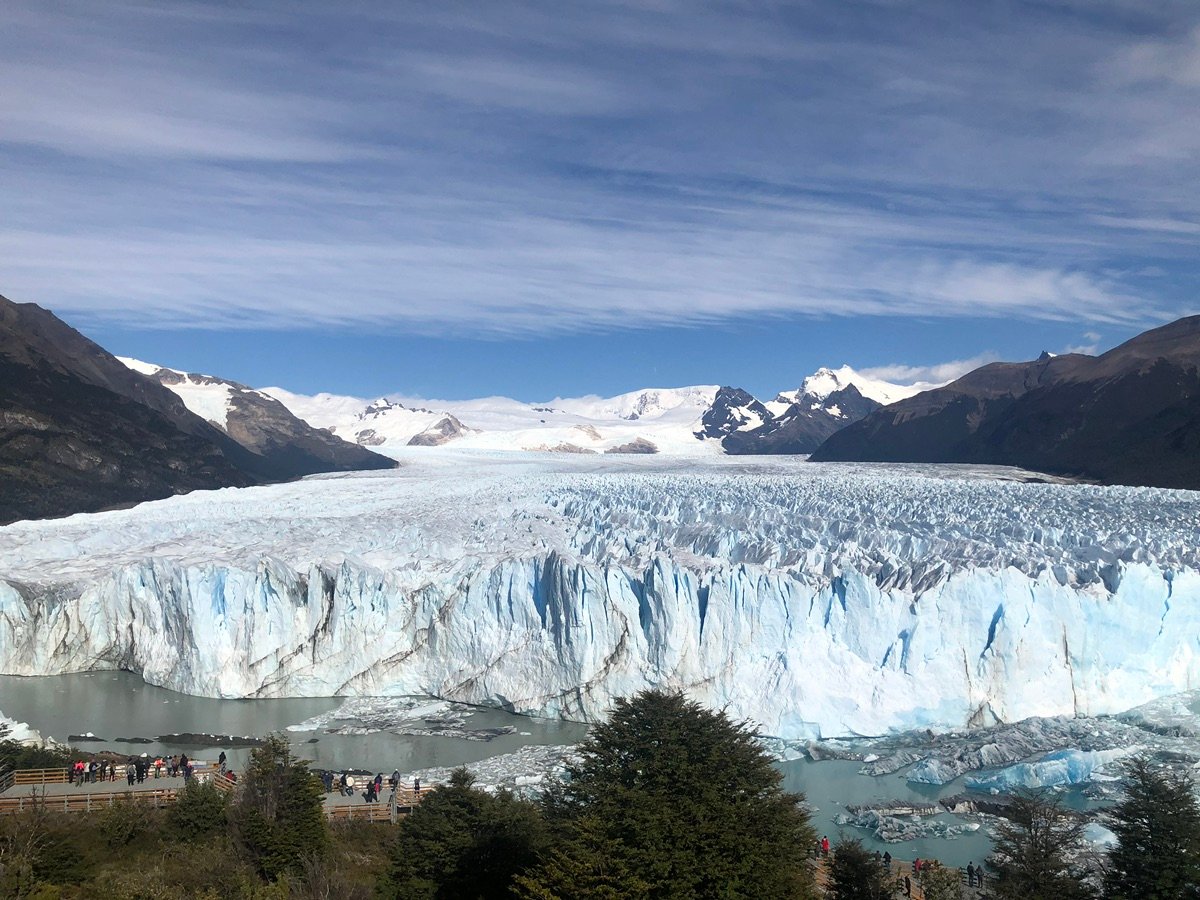
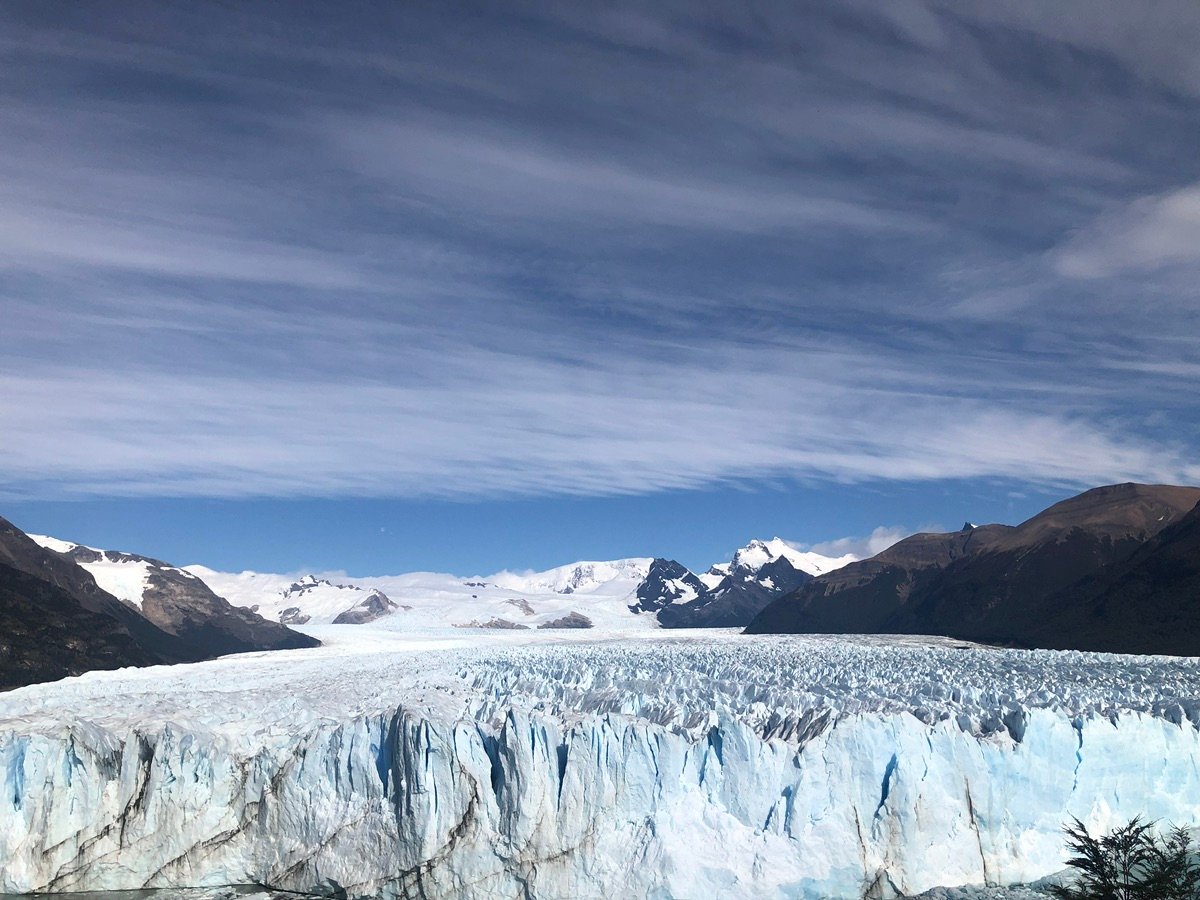
The first thing that hits you isn’t just the visual spectacle, but the sound. It’s this deep, almost guttural rumble that echoes across the water long before you see the ice fall. Then there are the smaller crackling noises, like a million tiny fireworks going off inside the ice, as the glacier shifts and groans. The air is crisp and cold, even on a sunny day, carrying a fresh scent from the pure glacial water. It’s the kind of place where you instinctively whisper, not because there’s a sign telling you to, but because the grandeur of it all just commands reverence. The sheer size of the ice wall, towering over 70 meters in some spots, truly makes you feel incredibly small and connected to something ancient.
Best Timing
For the best chance to see big ice calvings, aim for warmer months when the ice is more active. That means the Patagonian summer, roughly November to March. However, this is also peak tourist season, so expect more people on the viewing platforms. If you want fewer crowds but still decent weather, try the shoulder seasons: October or April. Pro-tip: Head to the lower viewing platforms early in the morning or late in the afternoon. The light is often better for photos, and the main crowds usually haven’t arrived or have started to leave.
Climate & Best Season
The climate around Perito Moreno Glacier is a cool temperate one, characteristic of Patagonia. Summers (December-February) are mild, with average temperatures around 10-15°C (50-59°F), but it can get warmer on sunny days. Winters (June-August) are cold, with averages hovering around 0-5°C (32-41°F), and snowfall is common, though the park remains open. The region can be very windy year-round. The best time to visit for comfortable weather and the most active glacier viewing is during the Patagonian summer, from late November to early March. This period offers longer daylight hours and the best chances to witness large ice collapses. However, if you prefer fewer crowds and don’t mind slightly cooler temperatures, the shoulder seasons of October/November and March/April are also good options.
Must-See Details
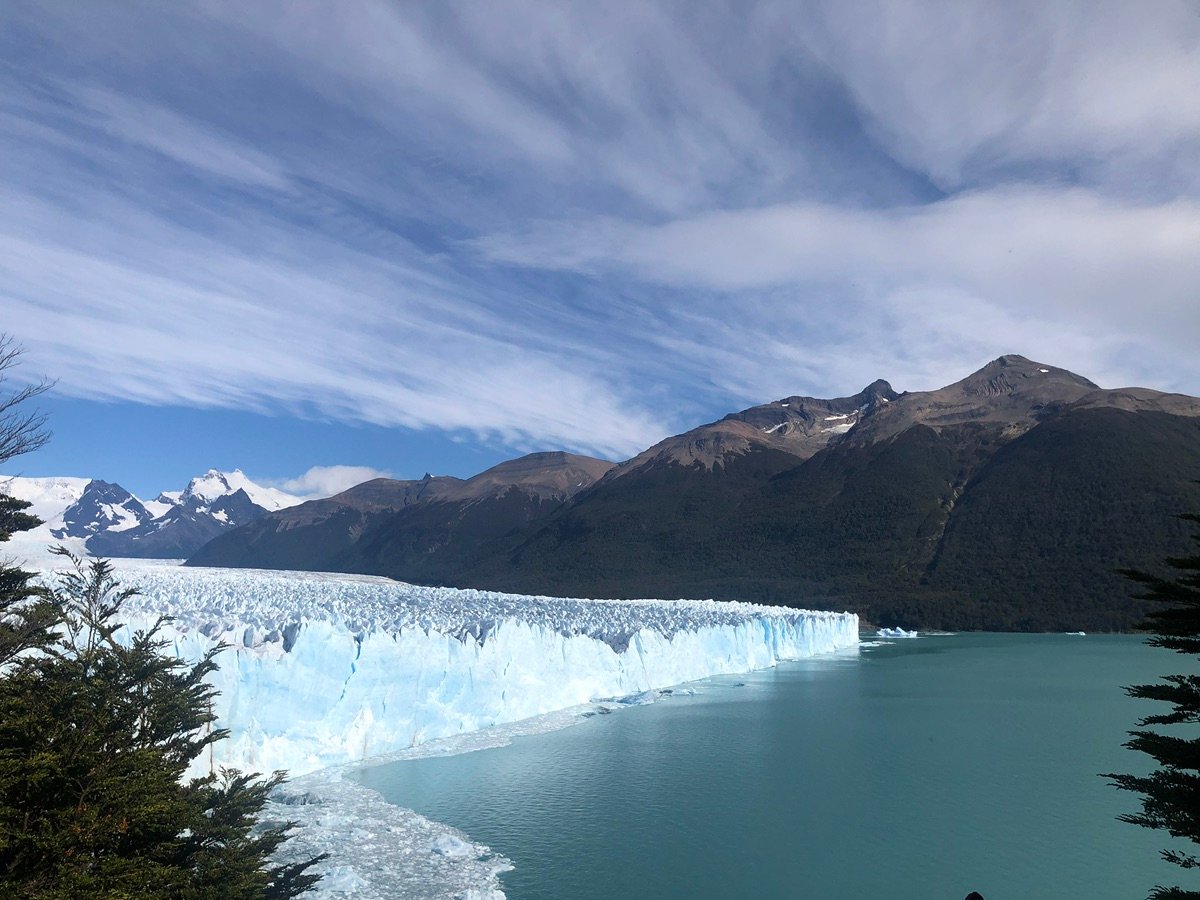
- The Main Viewing Platforms: These offer incredible, close-up views of the glacier’s face. Walk the entire circuit to experience it from multiple angles, including the “Balcón Principal” for the widest vista.
- Boat Tour: Take one of the navigation tours that get you really close to the glacier’s southern face. It’s a completely different perspective and highlights the towering height of the ice wall from the water level.
- Mini-Trekking or Big Ice Tour: If your budget and fitness allow, walking on the glacier itself with crampons is an unforgettable experience. The Mini-Trekking is a shorter walk (about 1.5 hours on ice), while Big Ice is a full-day adventure.
- The “Bridge” Formation: Every few years, the glacier advances across Lago Argentino and touches the “Magellan Peninsula,” forming a natural ice dam and creating a “bridge” before it dramatically ruptures. While not always present, look for signs of this unique geological event.
Traveler’s Memo
Access
The Perito Moreno Glacier is located in Los Glaciares National Park, about 80 km (50 miles) from the town of El Calafate in Santa Cruz Province, Argentina. The easiest way to get there is by booking a guided tour from El Calafate, which typically includes round-trip transportation and entrance fees. You can also rent a car and drive yourself, which offers more flexibility. The road is well-maintained.
Budget
Expect to pay an entrance fee to Los Glaciares National Park (around ARS 12,000-15,000 for foreigners as of late 2023, subject to change). A standard bus tour from El Calafate costs around ARS 20,000-30,000. Boat tours start from about ARS 15,000-25,000 extra. The glacier trekking experiences (Mini-Trekking or Big Ice) are significantly more expensive, typically ranging from ARS 80,000 to 150,000+, as they include transfers, guides, and equipment. Prices are approximate and can vary widely.
Recommended Gourmet
While there aren’t specific gourmet restaurants at the glacier itself (you’ll find basic cafeterias), the nearby town of El Calafate is known for its Patagonian lamb (cordero patagónico) slow-roasted over an open fire. Make sure to try some! Also, look for treats made with local calafate berries, which are unique to the region. Many places offer a delicious calafate ice cream or jam.
Nearby Spots
- El Chaltén: The trekking capital of Argentina, about a 3-hour drive north of El Calafate. Perfect for day hikes or multi-day treks with stunning views of Fitz Roy and Cerro Torre.
- Estancia Cristina: Accessible by boat across Lago Argentino, this historic ranch offers unique views of the Upsala Glacier and activities like horseback riding or off-roading.
- Cerro Frías: Just outside El Calafate, this hill offers panoramic views of Lago Argentino, the Patagonian steppe, and glimpses of the Andes.
FAQ
Is Perito Moreno Glacier accessible for people with limited mobility?
Yes, the main viewing platforms are well-maintained with ramps and accessible pathways, making it quite friendly for strollers and wheelchairs, though some sections may be steep.
Do I need a tour guide to visit the glacier?
You don’t need a guide for the viewing platforms, but for any boat tours or glacier trekking, you must go with an organized tour that provides certified guides.
What kind of clothing should I wear to Perito Moreno Glacier?
Dress in layers, even in summer, as temperatures can change quickly. A windproof and waterproof jacket, warm fleece, hat, gloves, and sturdy walking shoes are highly recommended due to the winds and cool glacier air.
Can I bring food and drinks into Los Glaciares National Park?
Yes, you can bring your own food and drinks. There are also cafeterias and a restaurant at the main viewing area if you prefer to buy something there.