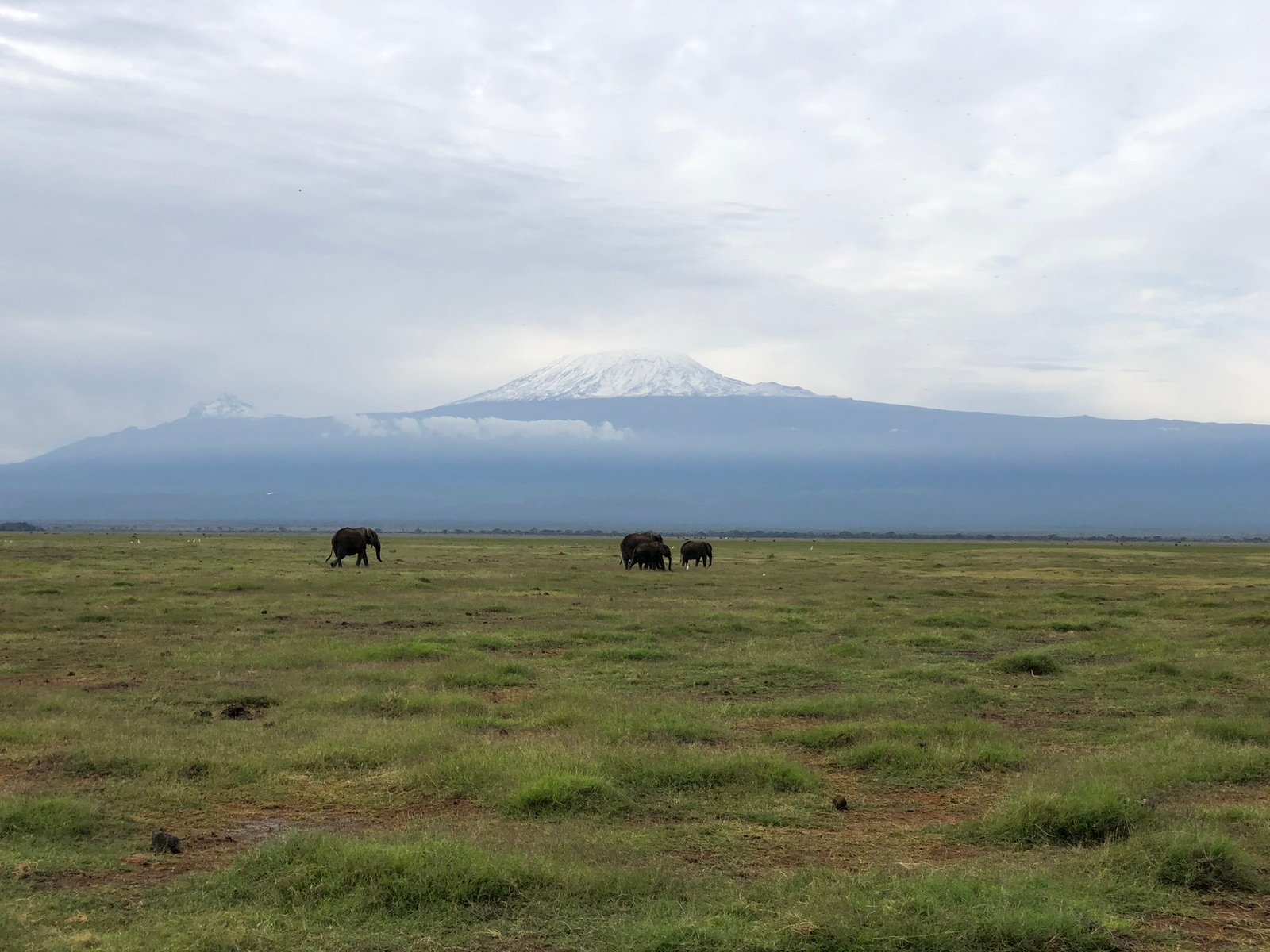
Imagine spotting huge elephants strolling across open plains, then looking up to see the snow-capped peak of Mount Kilimanjaro looming over everything. That exact postcard-perfect scene is what awaits you at Amboseli National Park in Kenya. It’s truly one of those places that feels like you’ve stepped into a nature documentary, a real highlight of any East African trip.
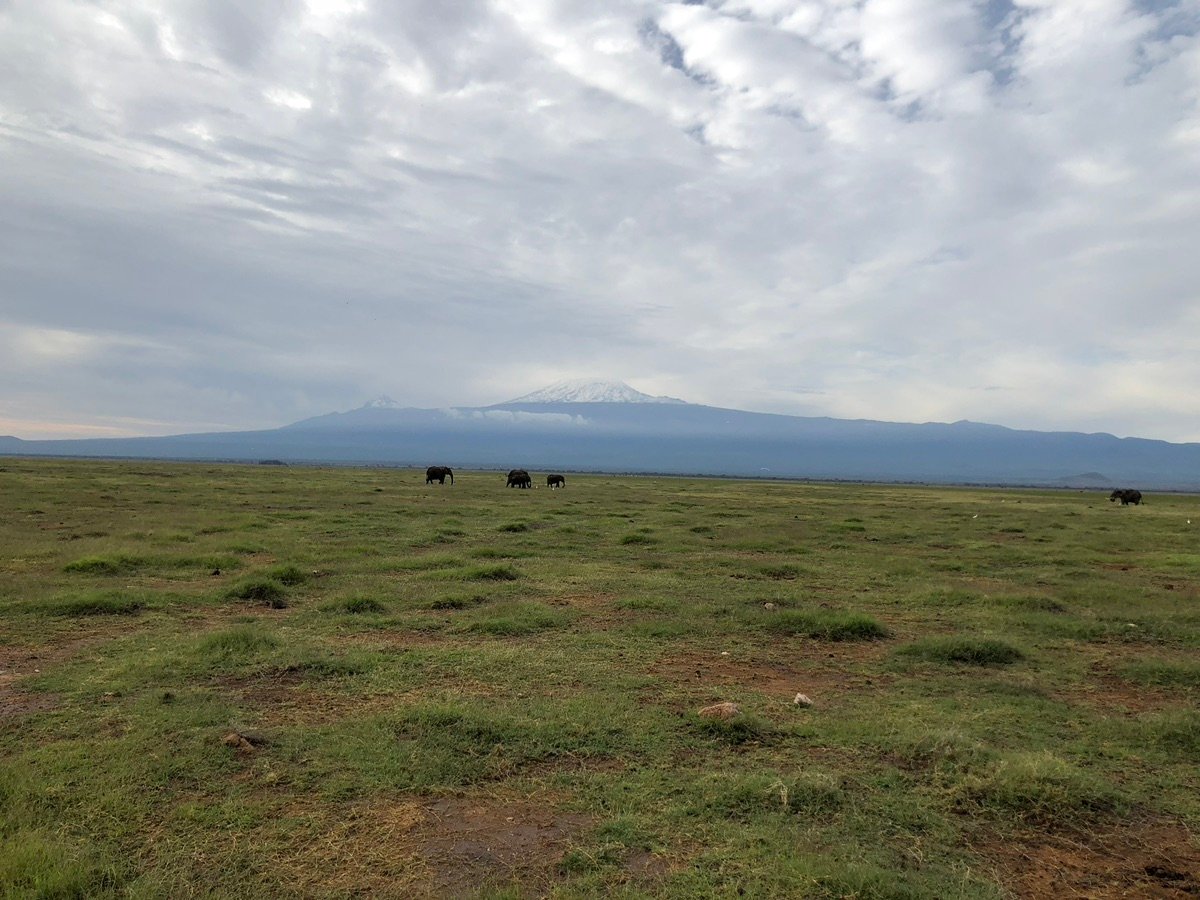
How Melting Glaciers Shaped an Elephant Haven
Amboseli’s unique ecosystem, with its permanent swamps fed by underground springs from Kilimanjaro’s melting snow and ice, is what makes it such a magnet for wildlife, especially elephants. Without that water source, this seemingly dry landscape wouldn’t be able to support such vast numbers of animals. It’s a stark reminder of the mountain’s influence on the entire region.
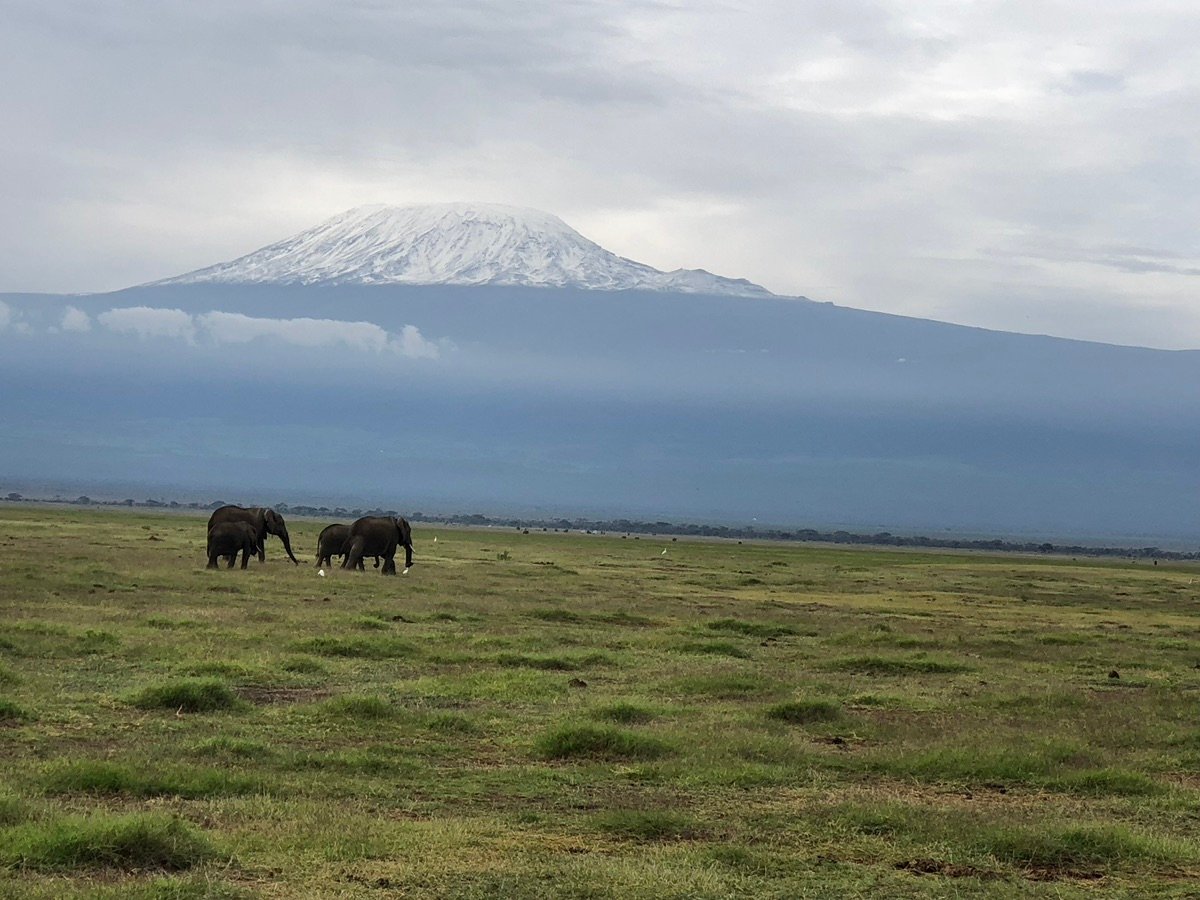
The Epic Scale of Wilderness That Makes You Feel Small
Standing on the open plains of Amboseli, you’re immediately struck by the sheer scale of everything. The plains stretch out seemingly endlessly, and then there’s Kilimanjaro, so immense it feels like you can touch it. When a herd of elephants slowly ambles by, you realize you’re just a tiny visitor in their colossal world. The air is often dry and warm, but a cool breeze can sweep across the plains, bringing the smell of dust and wild grasses.
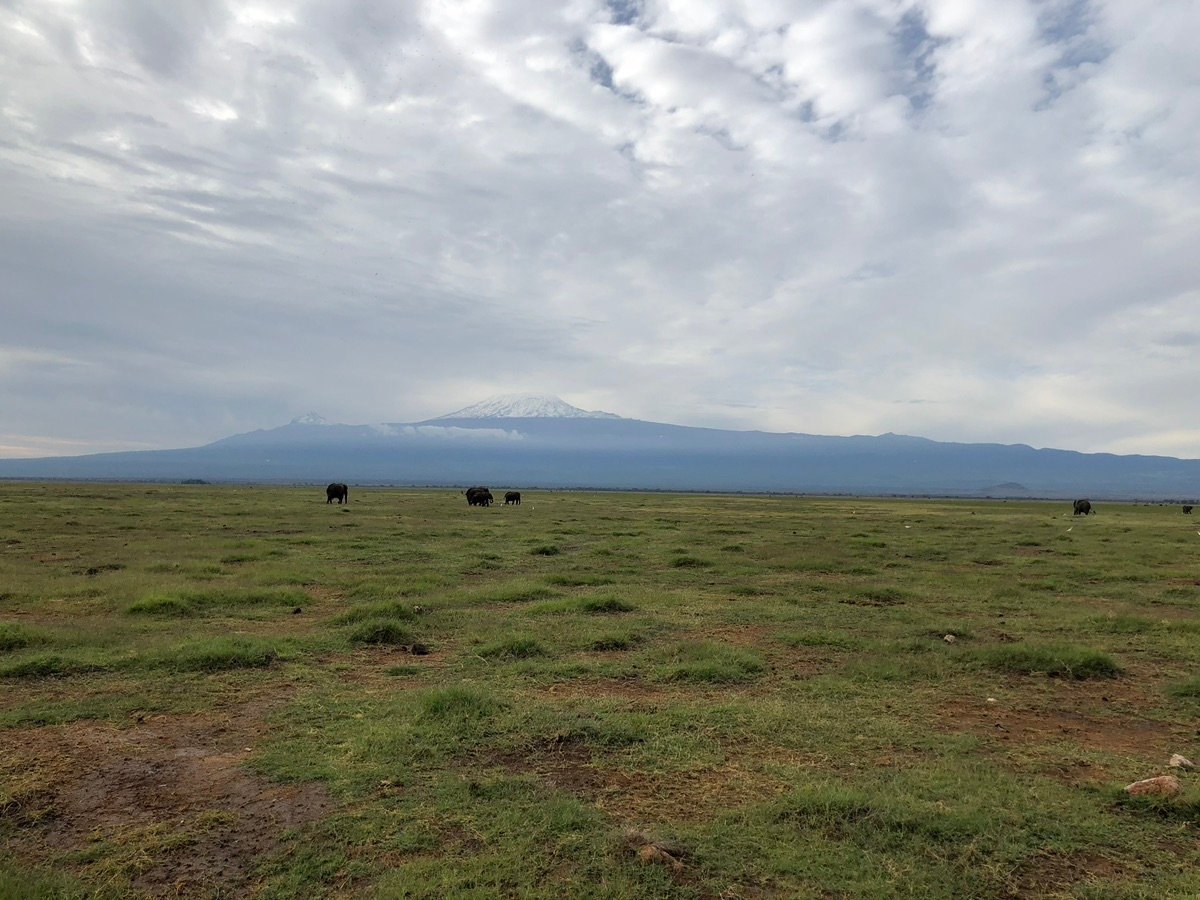
Best Timing
The best time to visit Amboseli for wildlife viewing is during the dry seasons, from January to February and from June to October. During these months, the vegetation is sparse, making it easier to spot animals as they congregate around the park’s permanent water sources. The long rains typically fall from March to May, and short rains from November to December. While still beautiful, the wet seasons can make some roads challenging to navigate and visibility for game viewing slightly reduced due to denser foliage.
Pro-tip: Head out for a game drive just after sunrise or before sunset. The light is incredible for photography, and animals are most active during these cooler hours.
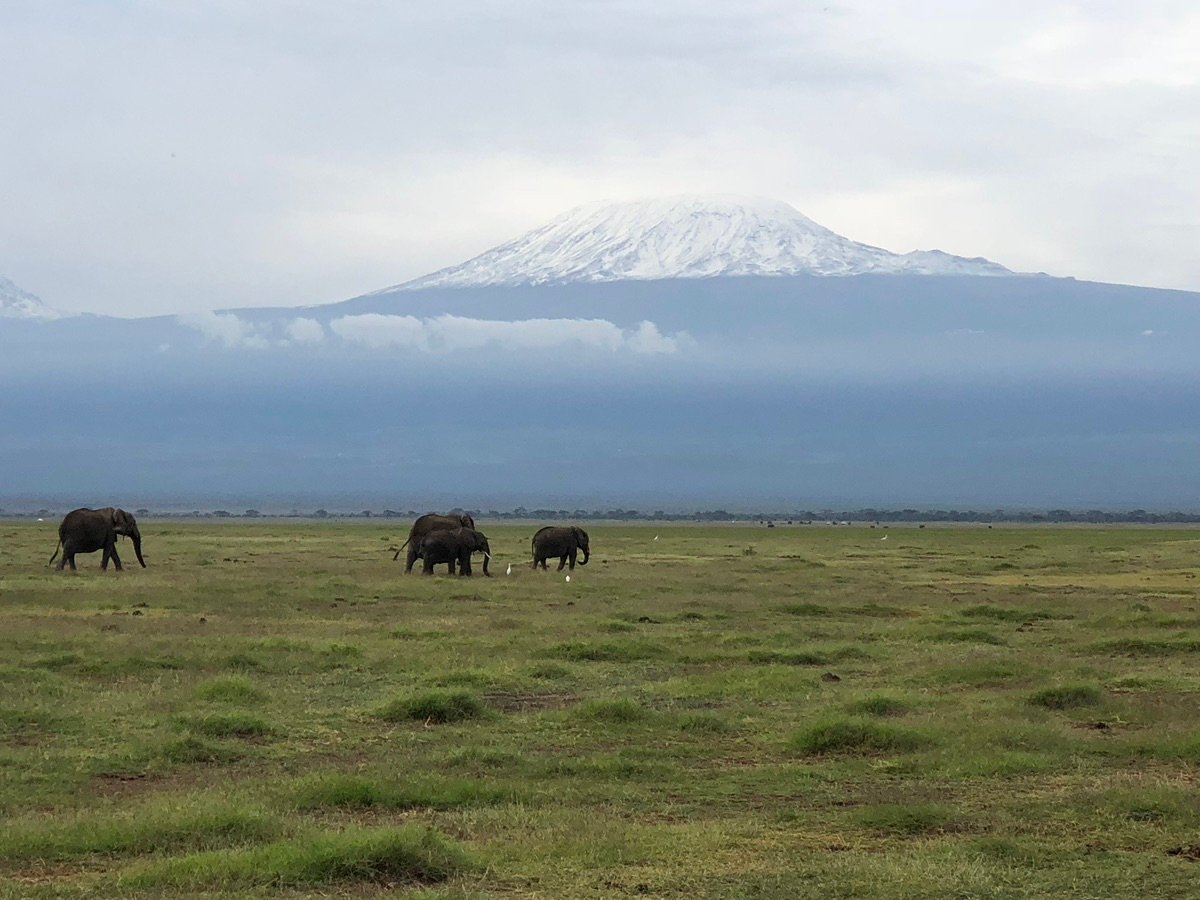
Climate & Best Season
Amboseli experiences a semi-arid climate. Temperatures are generally warm to hot year-round, averaging around 20-30°C (68-86°F) during the day. Nights are cooler, especially during the dry season.
The long dry season (June-October) is often considered the absolute best time. The skies are usually clear, offering the clearest views of Kilimanjaro. The short dry season (January-February) is also excellent. Even during the wet seasons, you can still have great safaris, and the landscape is much greener, but plan for occasional heavy showers.
Must-See Details
- Observation Hill: This is a key spot for panoramic views over the entire park, including the vast plains, swamps, and of course, Mount Kilimanjaro. It’s one of the few places where you can get out of your vehicle.
- Large Elephant Herds: Amboseli is renowned for its large numbers of elephants, some of the biggest tusks in Kenya. Spend time watching their social interactions at the watering holes.
- Kilimanjaro Backdrop: The iconic view of elephants with Africa’s highest mountain as a backdrop is what makes Amboseli truly special. Early mornings offer the best chance for clear views before clouds gather.
- Variety of Birds: The permanent swamps attract a huge array of birdlife, including pelicans, flamingos, and many raptors.
- Masai Culture: While on safari, you might get a chance to visit a local Maasai village just outside the park, offering a glimpse into their traditional way of life.
Traveler’s Memo
Access
The main access gate is Meshanani Gate, about 240 km (150 miles) south of Nairobi. Most visitors fly into Nairobi’s Jomo Kenyatta International Airport (NBO) and then either take a short flight (approx. 45 mins) to Amboseli Airstrip or a 4-5 hour drive. Driving allows you to see more of the landscape along the way.
Budget
Safari costs vary widely. Park entrance fees are currently $60 USD per adult per 24 hours for non-resident foreigners. Accommodation ranges from budget campsites to luxury lodges, costing anywhere from $100 to $800+ USD per night. A typical 3-day, 2-night safari package from Nairobi can range from $500 to $1500+ USD per person, depending on comfort level and inclusions.
Recommended Gourmet
Inside the park, dining is typically offered by your lodge or camp, featuring international cuisine and local Kenyan dishes. Expect fresh ingredients. Outside the park, small local eateries offer traditional Kenyan fare like ‘ugali’ (cornmeal porridge) with ‘sukuma wiki’ (collard greens) and grilled meat. Many lodges will pack a picnic lunch for your game drives.
Nearby Spots
- Chyulu Hills National Park: Known for its volcanic hills and fantastic views, offering a different kind of wilderness experience.
- Tsavo West National Park: One of Kenya’s largest parks, famous for Mzima Springs and diverse landscapes, about a 2-hour drive from Amboseli.
- Masai Mara National Reserve: Though further afield (a flight is recommended), it’s the quintessential Kenyan safari destination, especially for the Great Migration.
FAQ
Is Amboseli National Park safe for visitors?
Yes, Amboseli National Park is generally very safe for tourists, especially when on guided game drives within the designated areas. It’s always advisable to follow your guide’s instructions and park rules.
What kind of wildlife can I expect to see in Amboseli?
Amboseli is most famous for its large herds of elephants, but you can also spot lions, cheetahs, zebras, giraffes, buffalo, wildebeest, and a wide variety of bird species.
Do I need a 4×4 vehicle to explore Amboseli?
Yes, a 4×4 vehicle is highly recommended and often necessary for navigating the park’s roads, especially during the wet season, as some areas can become muddy or sandy.
Can I see Mount Kilimanjaro clearly from Amboseli?
Amboseli offers some of the best unobstructed views of Mount Kilimanjaro, especially in the early morning and late afternoon before cloud cover often gathers around the peak.
Are there guided walking safaris available in Amboseli?
While traditional walking safaris are generally not permitted within the main game viewing areas of Amboseli, some lodges outside the park may offer guided nature walks with Maasai guides.