When you’re exploring the Cape Peninsula in South Africa, especially around Cape Town, you might think you’ve seen it all from the road. But trust me, getting out on the water gives you a completely different perspective. The sheer scale of these mountains dropping into the Atlantic Ocean is something else entirely.
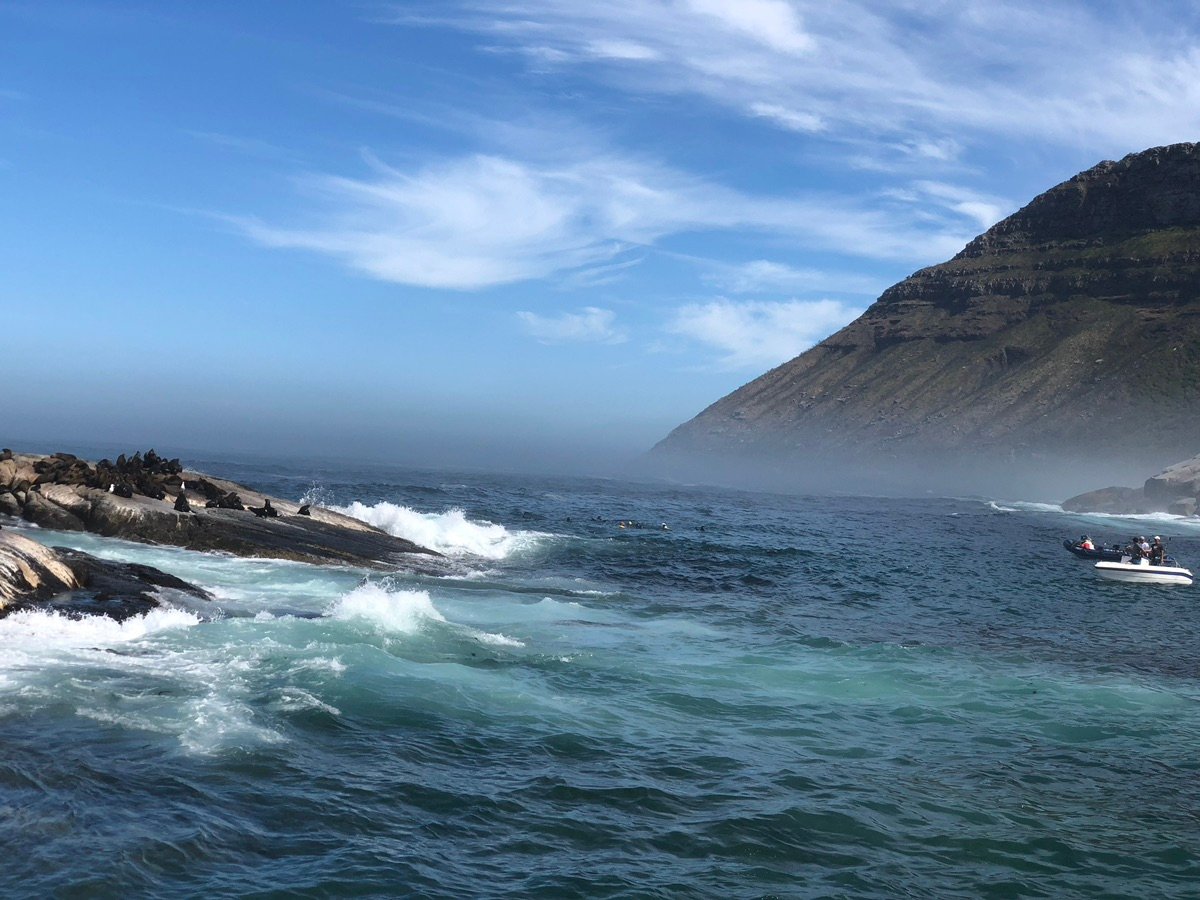
Where ancient geology meets the ocean’s raw power
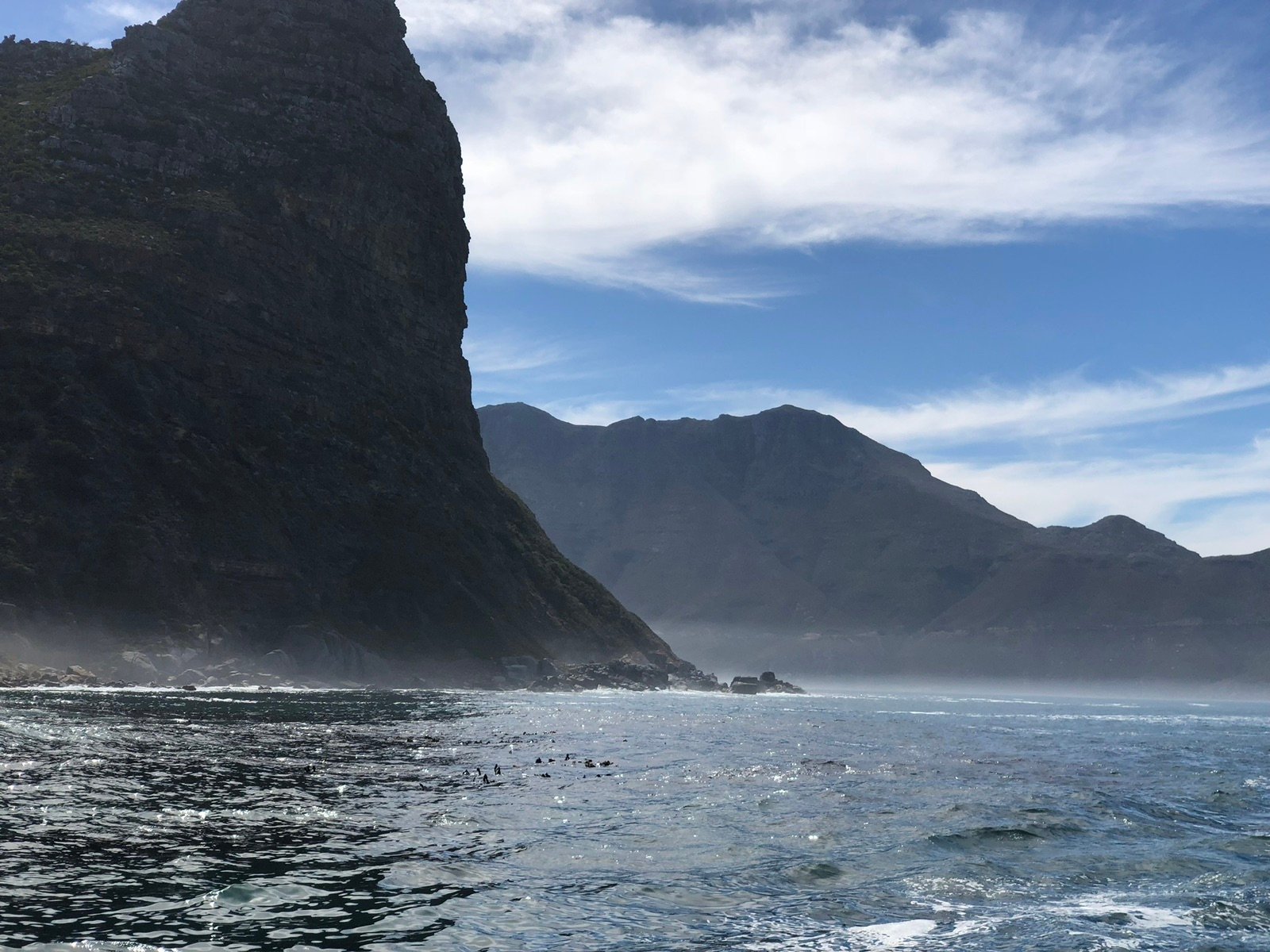
The coastline of the Cape Peninsula clearly shows magnificent geological layers that tell Earth’s history. These rock faces, formed over millions of years, have been continuously carved by the rough waves of the Atlantic and Indian Oceans. The natural sculpting by wind and waves is truly awe-inspiring. Especially when seen from a boat, you can really feel the weight of this history and the immense power of nature.
This region is also a crucial part of Earth’s ecosystems. The meeting of cold Atlantic currents and warm Indian Ocean currents here creates a unique marine life environment. Off the coast, you might spot seals, whales, and sometimes even penguins. It’s not just about enjoying the view; reflecting on the Earth’s mechanisms and the cycle of life behind it is also a huge part of visiting this place.
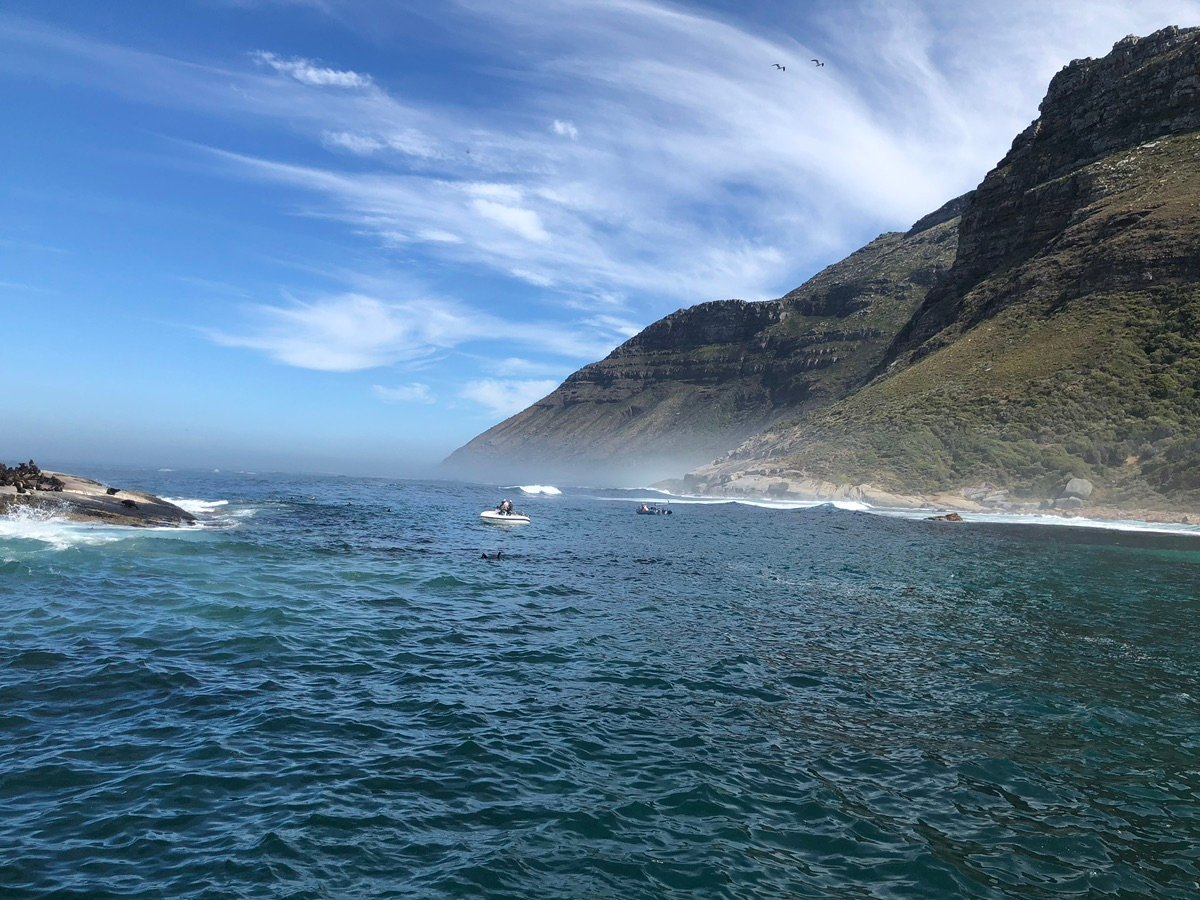
Feeling small in the face of nature’s giants
The height of the cliffs from the sea is hard to capture in photos. It’s like a gigantic wall standing tall, making you realize how small you are. The sound of waves crashing against the rocks and the feel of the sea breeze on your face – everything stimulates your senses. On a clear day, the contrast of the blue sky and sea against the dark cliffs is breathtaking. When there’s morning mist, you get a different, more mystical atmosphere.
Looking out at the vast horizon reminds you that the Earth is round. Any stress you feel in daily life seems tiny in front of this magnificent nature. Don’t just look at the scenery; try to feel the energy of this place with your whole body. The landscape changes with the weather and time of day, so you’ll find new things every time you visit.
Best Timing
If you’re visiting this coastline, mornings are generally best. Before the sun gets too high, the shadows on the cliffs are clearer, making them look more three-dimensional. Also, mornings often have calmer winds and a more stable sea, making boat trips more comfortable. Pro tip: Winds tend to pick up in the afternoon, so aim for an earlier slot.
Sunset offers a romantic vibe, but bright daylight hours let you see the ocean’s clarity and the finer details of the cliffs more clearly. If you’re planning to take photos, the soft morning light is ideal.
Climate & Best Season
The Cape Town area has a Mediterranean climate, with warm, dry summers (December-February) and mild, wet winters (June-August). Average temperatures are around 20-26°C in summer and 10-18°C in winter. The best seasons to visit are spring (September-November) and autumn (March-May). During these times, the weather is more stable, and daytime temperatures are comfortable. While summer is peak tourist season, the off-season winter offers a higher chance of whale sightings (June-November).
For enjoying the sea views, it’s key to avoid particularly windy days. Spring and autumn generally have calmer days and more clear blue skies, increasing your chances of experiencing the best views.
Must-See Details
- Towering Cliffs: The sheer height and geological drama of the cliffs seen from the sea are on a scale you can’t fully appreciate from land or photos.
- Meeting of Two Oceans: This area, near where the Atlantic and Indian Oceans meet, creates a unique marine environment that’s fascinating to observe.
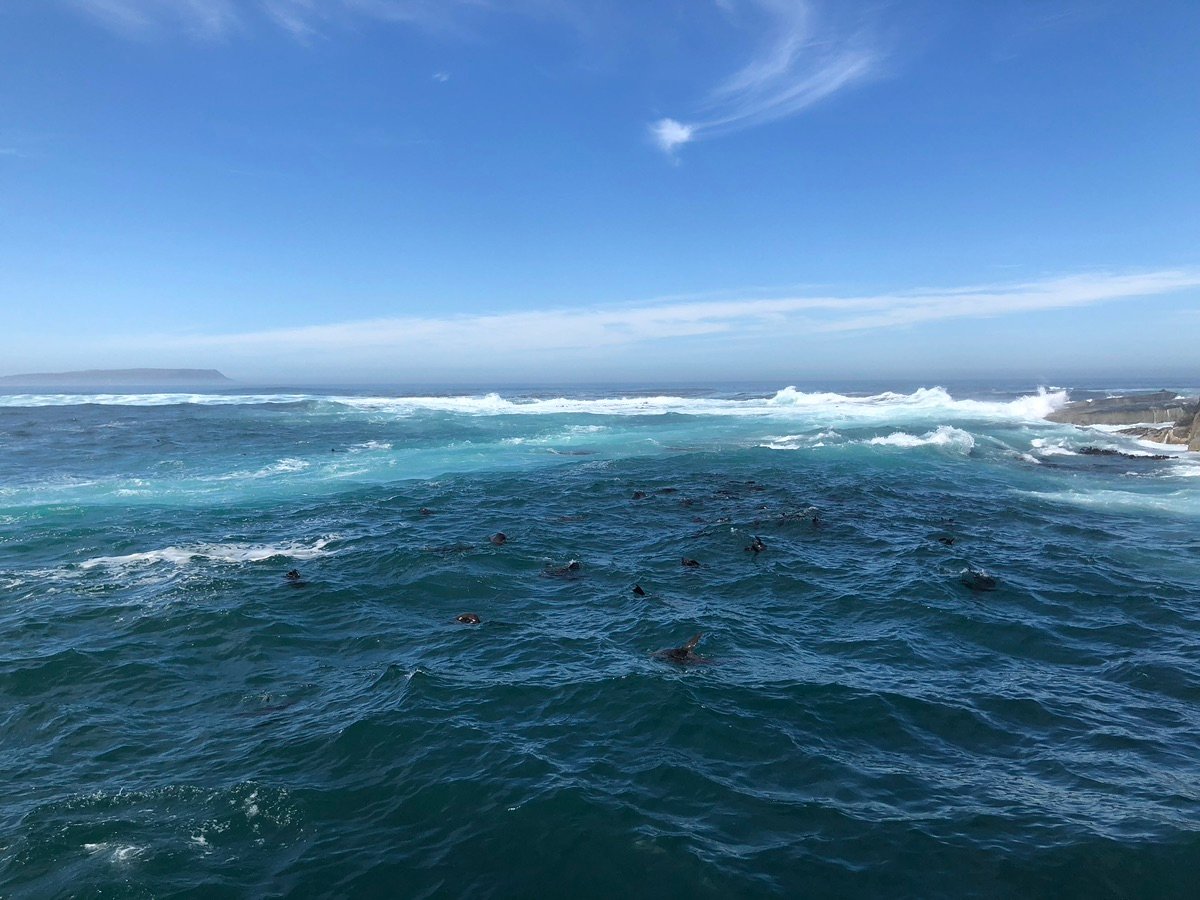
- Dynamic Waves: The sight of powerful waves crashing against the rock faces is a pure display of nature’s force. The sea spray rising is also quite dramatic.
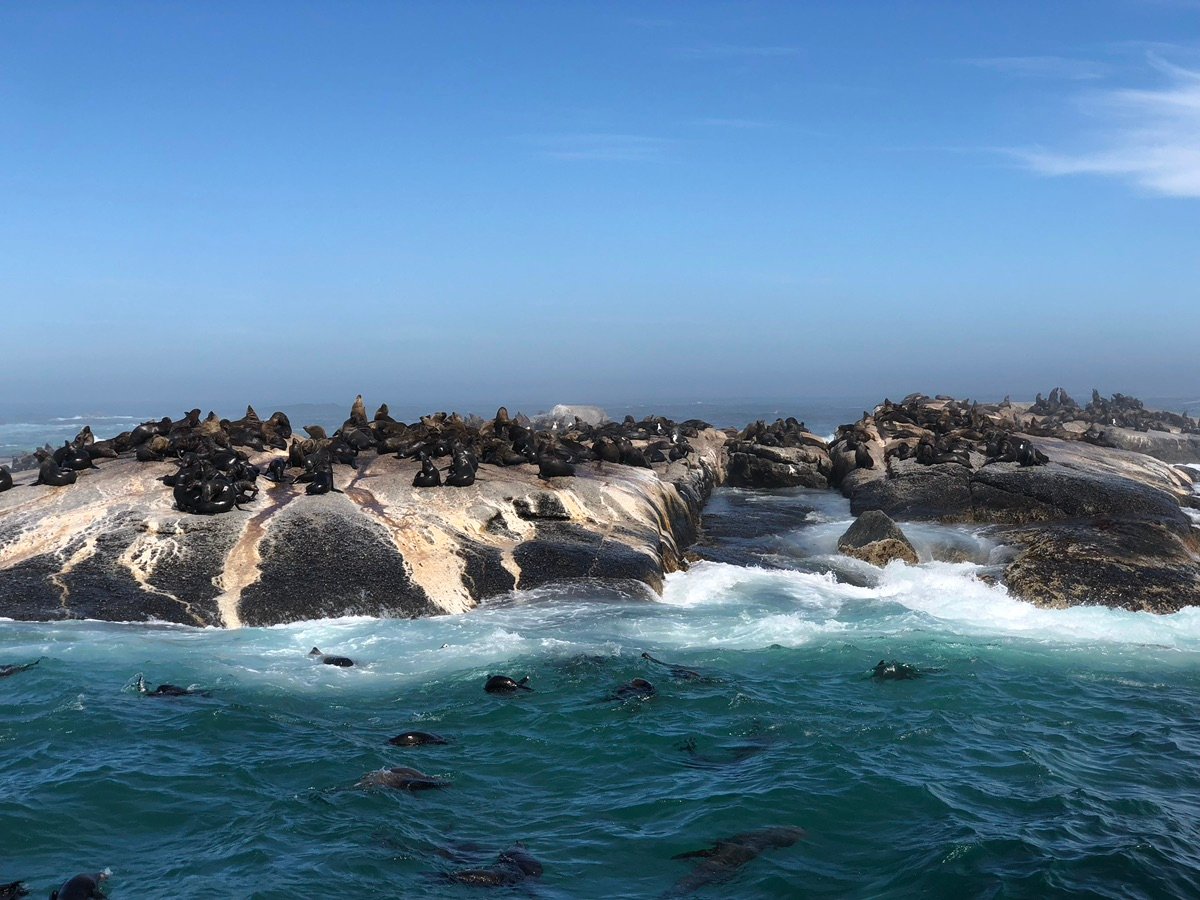
- Wildlife Spotting: If you’re lucky, you might see seals, dolphins, and even whales (in winter) from the boat, along with various seabirds.
Traveler’s Memo
Access
It’s generally easiest to drive from Cape Town to Hout Bay or Simon’s Town and join a boat tour from there. Tours often depart in the morning, so it’s a good idea to book in advance. Public transport can be tricky, so consider a rental car or guided tour.
Budget
Boat tour prices vary depending on the duration and inclusions, but expect to pay around 500-1000 ZAR (approx. $30-$60 USD). Entrance fees for national parks like Cape Point might be separate. Don’t forget to factor in food and souvenirs.
Recommended Gourmet
The harbors of Hout Bay and Simon’s Town have many restaurants serving fresh seafood. Their fish and chips are excellent, made with local catch. Grilled prawns and calamari are also highly recommended. Stop by after your boat trip to enjoy the ocean’s bounty.
Nearby Spots
- Chapman’s Peak Drive: Known as one of the most beautiful coastal roads in the world. A drive here offers stunning views, but seeing the road from the sea offers a unique perspective.
- Cape Point: A famous viewpoint known as the meeting point of the Atlantic and Indian Oceans. The lighthouse views are incredible.
- Boulders Beach: Home to a colony of African penguins. A popular tourist spot where you can see penguins up close.
FAQ
Are boat tours prone to seasickness?
Depending on sea conditions, the Atlantic can have rough waves. If you’re prone to seasickness, it’s a good idea to take medication beforehand. Mornings tend to be calmer.
Is wildlife guaranteed on a boat tour?
As it’s wildlife, sightings cannot be guaranteed, but you might see seals, seabirds, and if lucky, dolphins or whales (in winter). Follow your tour guide’s instructions as they know the best spots.
What should I wear for a boat tour?
It can be windy and chilly on the water, so dressing in layers is recommended. A waterproof outer layer, a hat, and sunglasses will make you more comfortable. Don’t forget sun protection.
Do I need to book boat tours in advance?
Especially during peak season (December-February) and on weekends, tours can get crowded. It’s highly recommended to book online in advance to secure your preferred time slot, as walk-ins might not get a spot.