If you’ve ever seen photos of Indonesia, chances are you’ve probably seen images of these stunning green hillsides. But nothing really prepares you for seeing the Balinese Rice Terraces in person, especially those nestled around Ubud. The smell of the air, the sound of birds, and the endless green stretching out before you create an experience that no guidebook can fully capture.
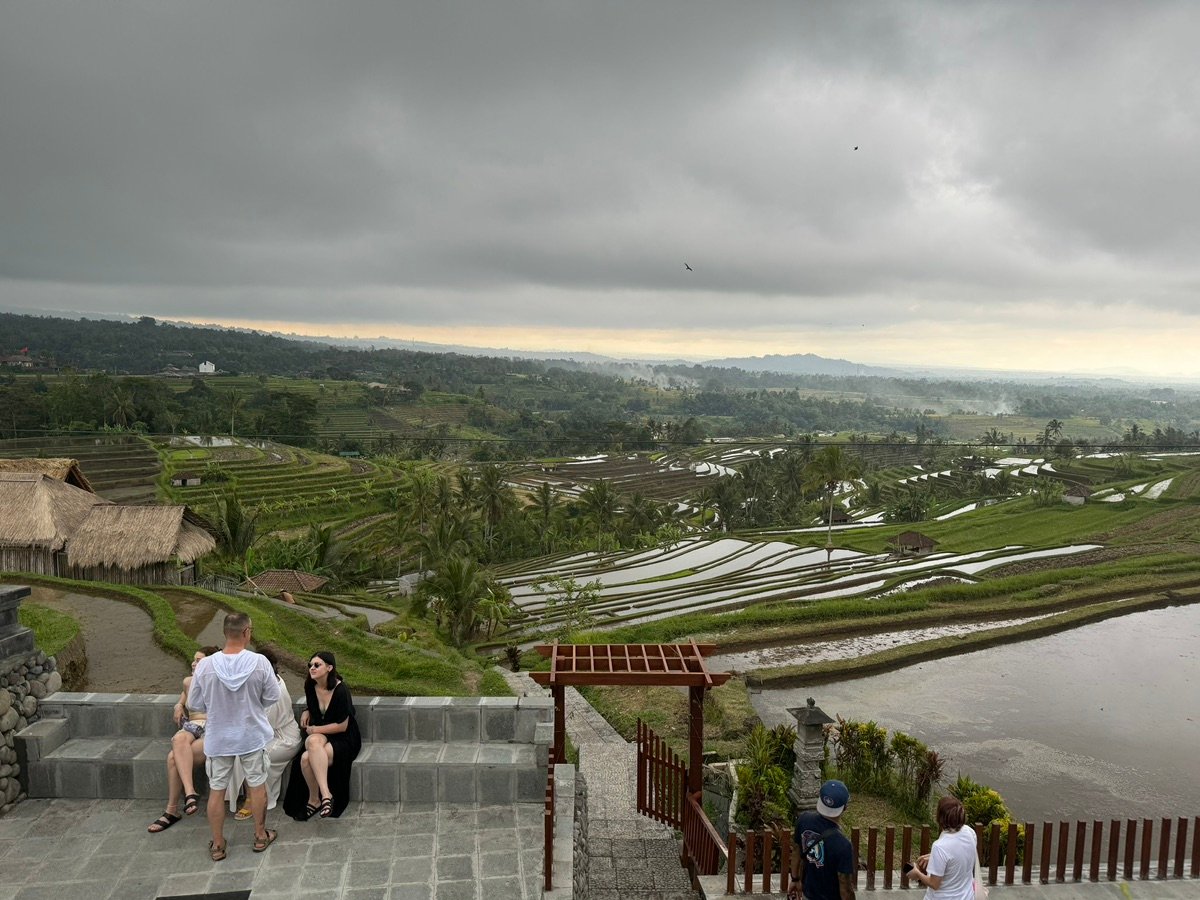
How Ancient Waterways Shape Local Life
These terraces are more than just beautiful; they are fundamental to Balinese life. The intricate irrigation system called “Subak,” passed down for centuries, is still very much alive here. Subak isn’t just a method of water distribution; it’s based on a philosophy of community and cooperation. Watching the locals maintain the channels, plant rice, and harvest, you get a glimpse into their deep wisdom of living in harmony with nature. This system is not just an agricultural technique but a core part of Balinese culture and beliefs.
The Quiet Hum of a Living Landscape
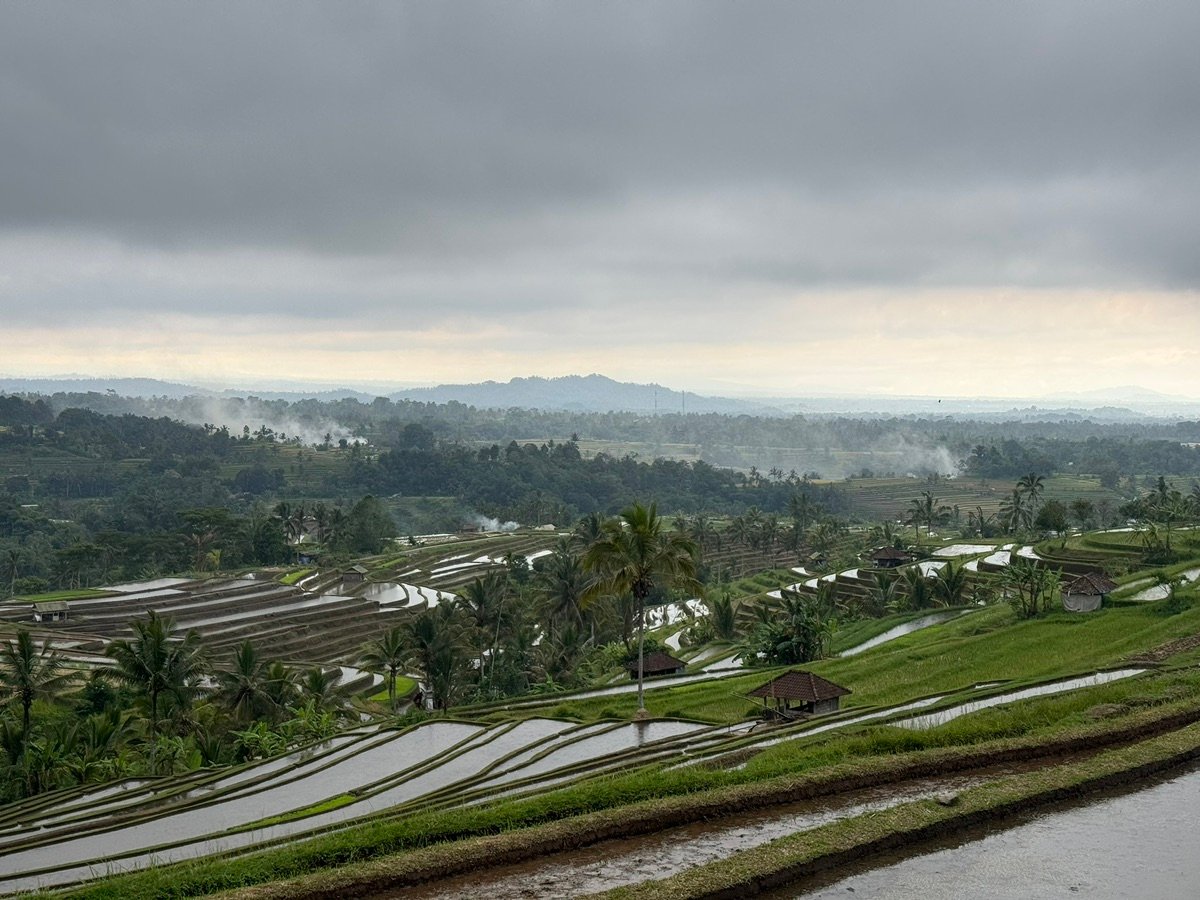
Stepping into the rice terraces, you’re first struck by their vastness. Then, gentle sounds emerge: the rustle of rice leaves in the wind, the distant trickle of water, and the soft chatter of farmers at work. The contrast between the overcast sky and the vibrant, tiered greens is particularly striking. The air feels humid and carries a tropical scent. This is a place to experience with all your senses, not just to look at.
Best Timing
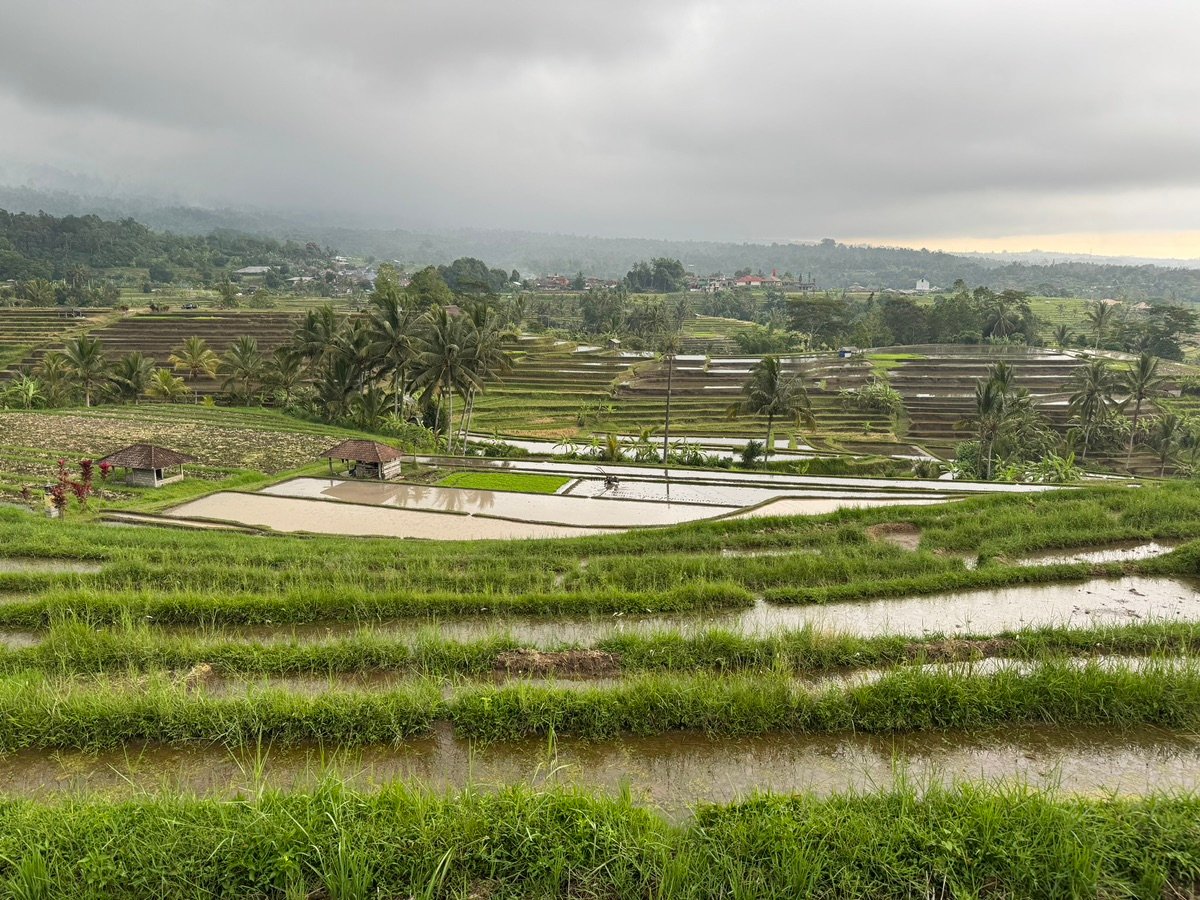
The best times to visit the rice terraces are early morning or late afternoon. In the early morning, crowds are thinner, and you can enjoy the view in cooler air and quiet. The way the sunrise reflects on the water-filled paddies is truly beautiful. In the late afternoon, the sunset bathes the fields in a golden light, creating a different but equally stunning atmosphere.
Pro-tip: Arrive around 7 AM to have the place almost to yourself and see local farmers starting their day.
Climate & Best Season
Bali enjoys a warm, tropical climate year-round. Average temperatures hover around 27°C to 30°C throughout the year. The rainy season typically runs from October to March, bringing heavy afternoon showers, but they are usually short-lived. The dry season, from April to September, offers sunny days and lower humidity.
The best time to visit the rice terraces is during the dry season, from April to September. During these months, you’ll experience mostly clear skies and comfortable weather for exploring. Specifically, the period after planting when the rice paddies are lush green (usually late wet season to early dry season) offers the most vibrant views.
Must-See Details
- The Water Flow: Notice the intricate water channels snaking through the fields. These are part of the ancient Subak system.
- Farmer’s Huts: The small, simple huts at the edge of the fields are used for rest during the day or storing tools. They offer a glimpse into local life.
- Rice Growth Stages: Depending on when you visit, you might see mirror-like water paddies, lush young rice plants, or golden fields ready for harvest.
- Terrace Slopes: Observe how the tiered landscape is carefully engineered to utilize water efficiently.
Traveler’s Memo
Access
Many rice terraces are located around Ubud. The most common way to visit is by renting a scooter or taking a taxi from Ubud center. Scooters offer flexibility, but be aware of traffic. Joining a guided tour is also a good option.
Budget
For well-known terraces (e.g., Tegalalang Rice Terrace), there might be a small entrance fee, typically around Rp 10,000-20,000. You may also find donation boxes set up by local farmers, which helps support their livelihoods and the maintenance of the terraces. For food and drinks at a scenic café, expect to pay around Rp 50,000-150,000.
Recommended Gourmet
Around the terraces, you’ll find plenty of cafes and restaurants with breathtaking views. It’s worth trying local Indonesian dishes and fresh juices, often made with ingredients from the region. The Tegalalang Rice Terraces, for example, have several lovely restaurants overlooking the paddies.
Nearby Spots
- Ubud Monkey Forest: A sacred sanctuary where playful macaques roam freely.
- Ubud Art Market: A lively market for local crafts and souvenirs.
- Goa Gajah (Elephant Cave): An ancient archaeological site with a distinctive cave entrance.
FAQ
What are the best shoes to wear for walking in the rice terraces?
Comfortable walking shoes or sandals are recommended. Some paths can be muddy or uneven, especially after rain.
Is drone photography allowed in the rice terraces?
It’s best to check with local guides or signs, as some popular areas may have restrictions or require permits to avoid disturbing others or local wildlife.
Should I avoid visiting the rice terraces during the rainy season?
You can still visit during the rainy season, but be prepared for afternoon showers with a rain jacket or umbrella. The terraces can be especially vibrant green after rain, but paths might be slippery.