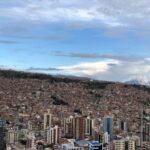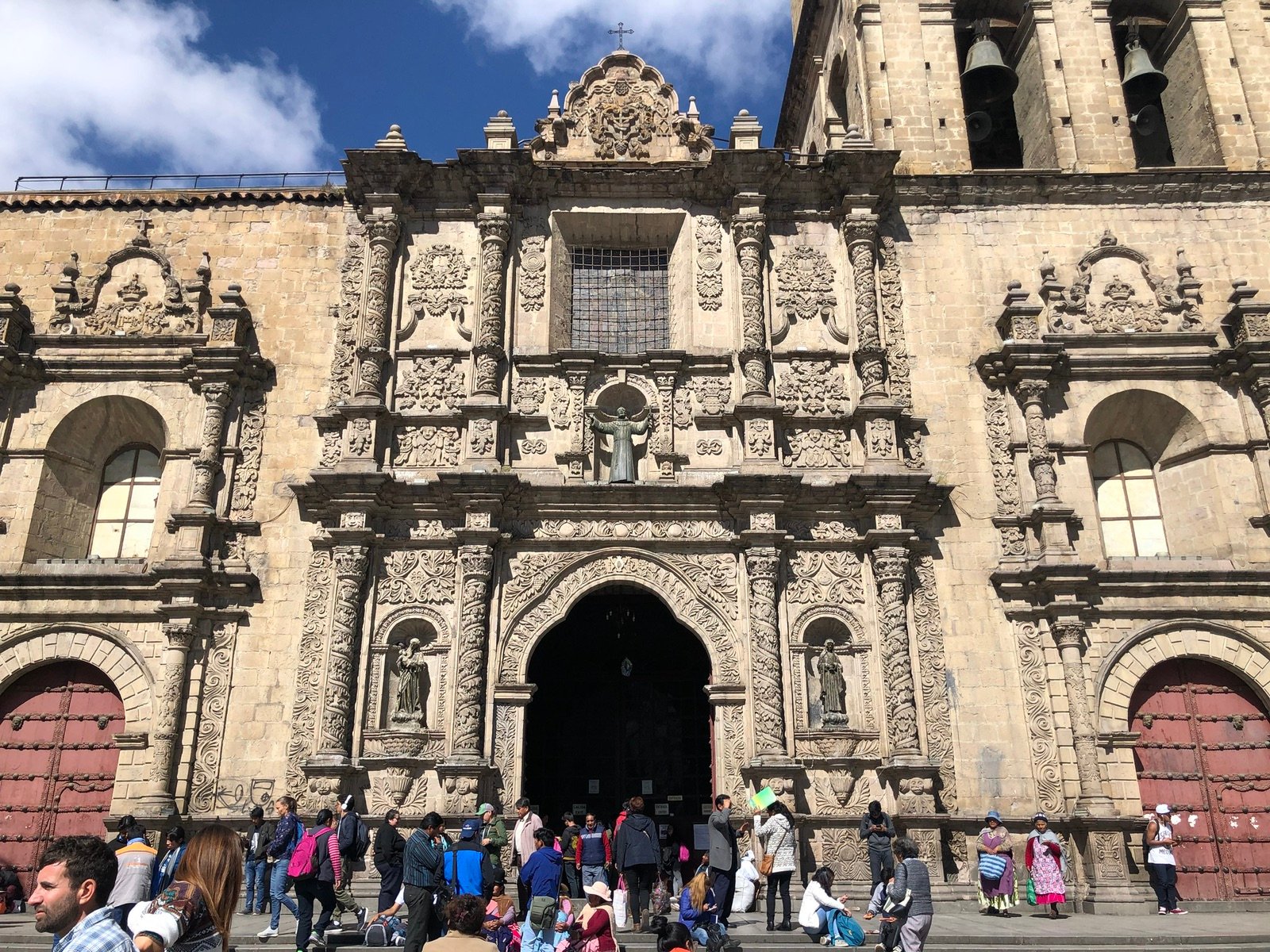
You’re walking through the bustling streets of La Paz, maybe looking up at the surrounding hills, when suddenly you’re face-to-face with this incredible facade. This is the Basílica de San Francisco in Bolivia, and trust me, it’s worth stopping to really look at it. From the street, it’s impossible to take in all the intricate details carved into the stone.
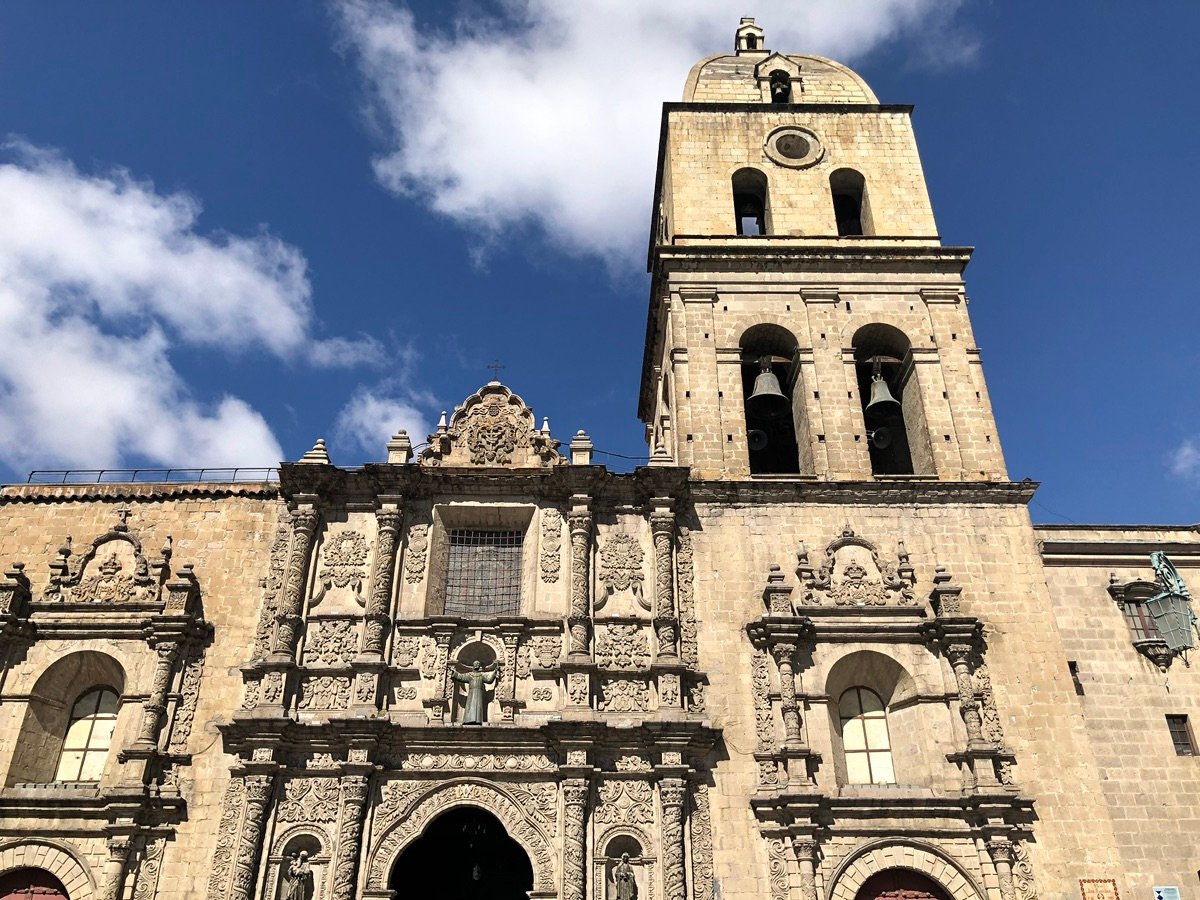
This church has been through a lot
This church stands as a centerpiece of La Paz’s history, with its construction dating back to the 16th century. It has survived earthquakes, numerous renovations, and periods of great change. What’s especially interesting is how much its architecture was shaped by indigenous craftsmen. They incorporated not just Christian symbols but also local flora, fauna, and Andean cosmological views into the carvings. It’s not just an old building; it’s a living story of Bolivian culture and faith.
It feels like history is etched into every stone
Standing in front of the Basílica de San Francisco, you realize you’re not just looking at a pretty building. There’s a distinct energy here. Despite the busy market and crowds around, standing directly in front of the facade makes time feel a bit slower. As you focus on the details, you feel the weight of centuries of events and prayers. When the sun hits the stone, the carvings almost seem to come alive, with shadows making their depth even more pronounced. It’s truly a place to quietly stop, absorb, and feel.
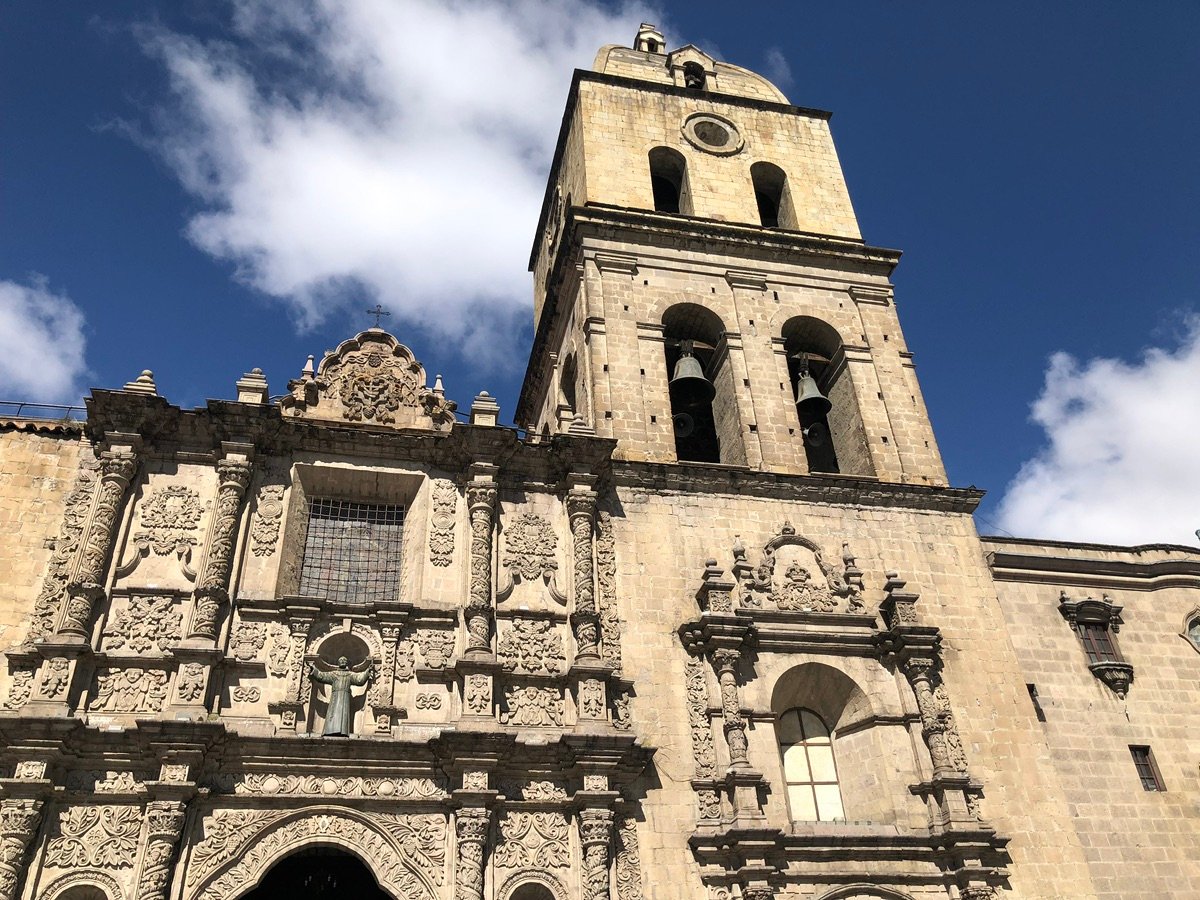
Seriously, look up at those statues
Take a good, close look at the facade of the basilica. Beyond the big central figure, pay attention to the numerous other statues housed in smaller niches. These figures represent Christian saints and angels, but the detail in their faces, the folds of their garments, and the placement of their hands is incredible. Each seems to tell its own story, and there are too many expressions to simply walk by. Every single one is a testament to the extraordinary skill of the artisans who created this building.
Don’t miss the details on the side doors
While most people focus on the elaborate main entrance, take a moment to observe the large wooden doors on the sides of the building. These are the portals through which thousands of people have passed daily for centuries. They are works of art in themselves, with thick wood and large metal studs that speak to their robustness and endurance over time. Near these doors, you’ll also find some smaller carved sections and adornments that, while not as flashy as the main facade, are still stunning. There’s a subtle beauty there that can often be overlooked by a rush to see the main attractions.
Best Timing
The best time to visit the Basílica de San Francisco is in the morning, especially earlier in the day. There are fewer tourists around, and the morning light hits the facade’s carvings beautifully, really bringing out the details. Also, while Sunday mass can be very crowded with locals, if you want to experience the atmosphere of a local service, that can be a profound experience too. For photography and avoiding crowds, aim for a visit between 9 AM and 11 AM.
Climate & Best Season
Due to its high altitude, La Paz experiences a relatively cool climate year-round. Average temperatures hover around 15°C (59°F) in summer (November-March) and 10°C (50°F) in winter (April-October). There are distinct dry and rainy seasons. The dry season runs from May to October, offering sunny days, warm afternoons, and cool nights. This period is generally considered the best for tourism. The rainy season is from November to April, with occasional afternoon showers, but they typically don’t last long. The best months to visit are from May to September for comfortable weather and relatively less rain. Just remember to pack warm layers for the evenings and early mornings, as it can get chilly.
Traveler’s Memo
Access
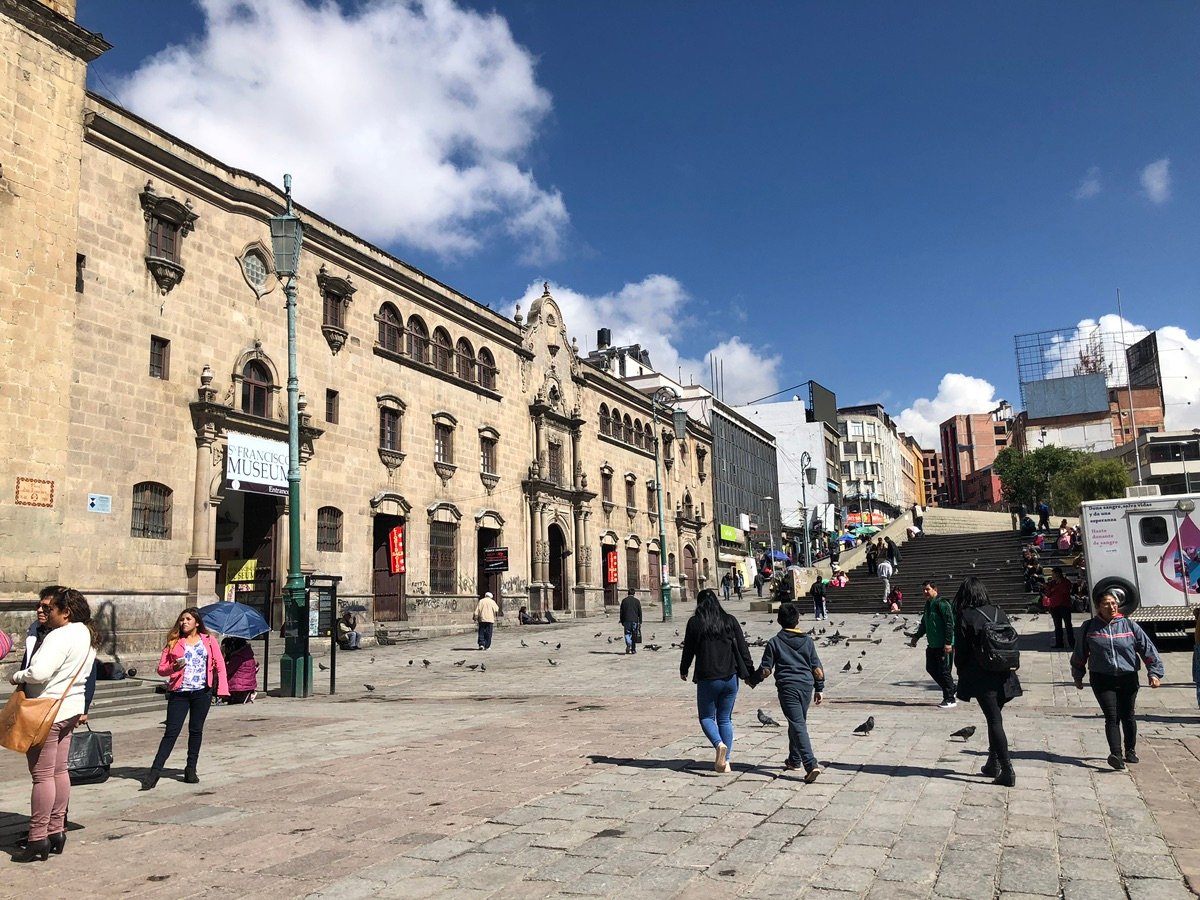
The Basílica de San Francisco is centrally located in La Paz, right on Plaza San Francisco, making it easily accessible on foot from most downtown hotels. You can also reach it via minibuses or taxis that circulate throughout the city. If you’re staying in the center, a leisurely walk is often the best way to get there.
Budget
Entry to the church itself is usually free, but there’s a small fee (typically around 20 Bolivianos, about $3 USD) for the adjoining museum and to climb the bell tower. This contributes to the upkeep and restoration of the church. If you plan to take photos, sometimes an additional small fee might apply, so it’s always good to check. Snacks and drinks from nearby street vendors are very affordable.
Recommended Gourmet
Around the basilica, you’ll find plenty of local markets and street food stalls. A must-try is a Salteña, a national Bolivian snack. It’s a baked savory pastry, somewhat like a sweet and spicy empanada, usually filled with meat and vegetables. They’re perfect for breakfast or lunch. You’ll also see many fresh juice stands, which are always a good idea.
Nearby Spots
- Witches’ Market (Mercado de las Brujas): Just a short walk from the Basílica de San Francisco, this unique market sells traditional remedies, amulets, and offerings.
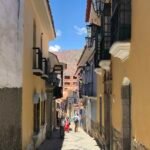
- Calle Jaén: A beautiful cobblestone street with colonial architecture, home to several small museums and galleries. It’s great for photos.
- Mi Teleférico: The world’s longest urban cable car system, offering incredible panoramic views of La Paz. The closest stations are just a few blocks away.
FAQ
Is there an entrance fee for the Basílica de San Francisco?
Entry to the main church is typically free, but there is a small fee to access the adjoining museum and the bell tower.
What should I wear when visiting the church?
It’s a place of worship, so it’s best to dress respectfully, ensuring your shoulders and knees are covered.
Can I take photos inside the Basílica de San Francisco?
Generally, yes, but flash photography is prohibited, and some areas might have restrictions. It’s always safest to confirm at the entrance.
How much time should I allocate for a visit?
About 30 minutes to see the main church, but if you include the museum, bell tower, and courtyards, plan for 1 to 1.5 hours.