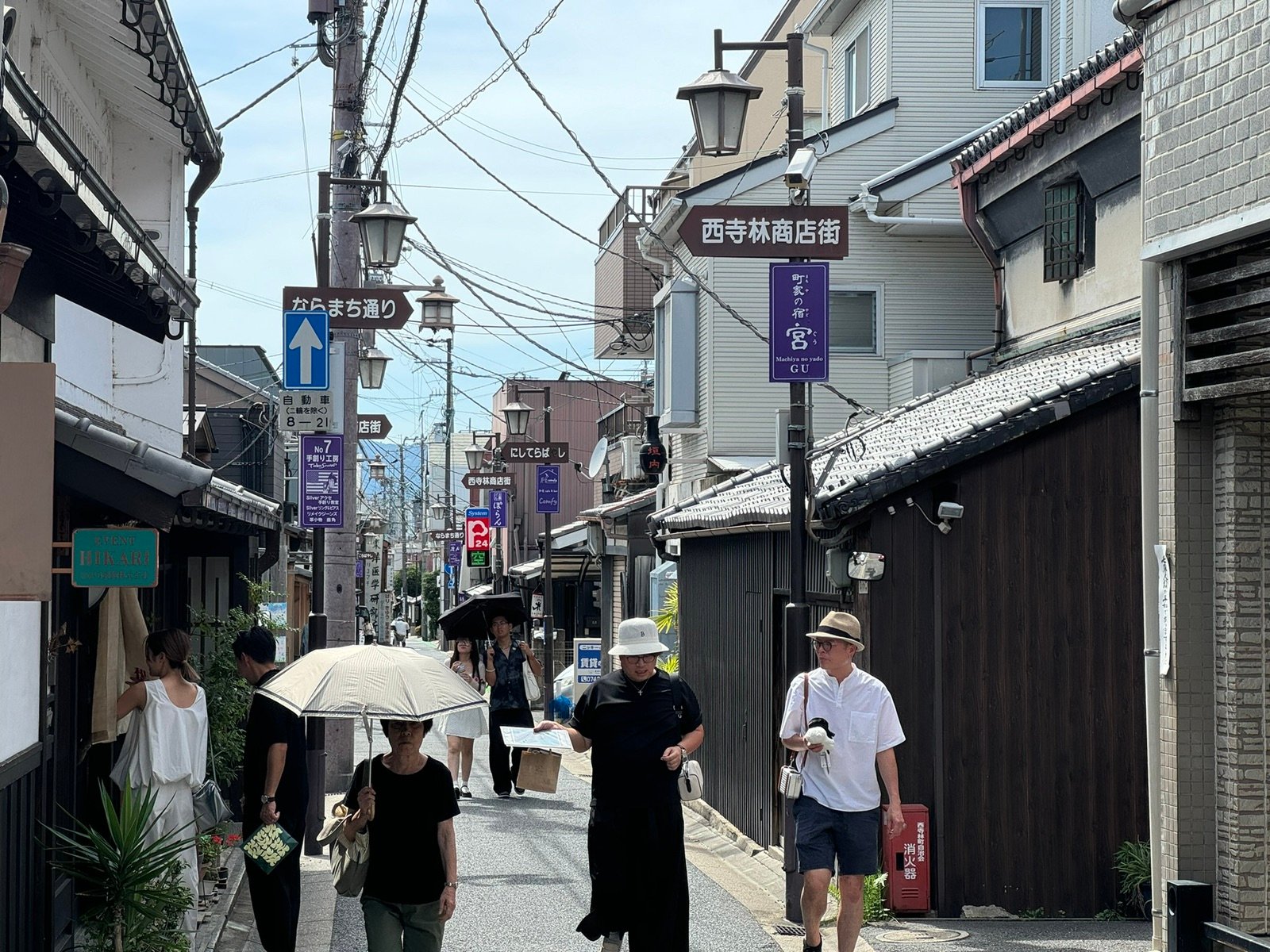
After feeding the deer in Nara Park, most visitors head straight back to the station. That is a missed opportunity. If you walk just a little south from Sarusawa Pond, the tourist crowds suddenly thin out, replaced by quiet lanes lined with aged wooden townhouses. This is Nishiterabayashi Street in the historic Naramachi district of Nara, Japan. Rather than flashing tourist signs, you will find a sleepy neighborhood that feels like stepping back into a simpler era.
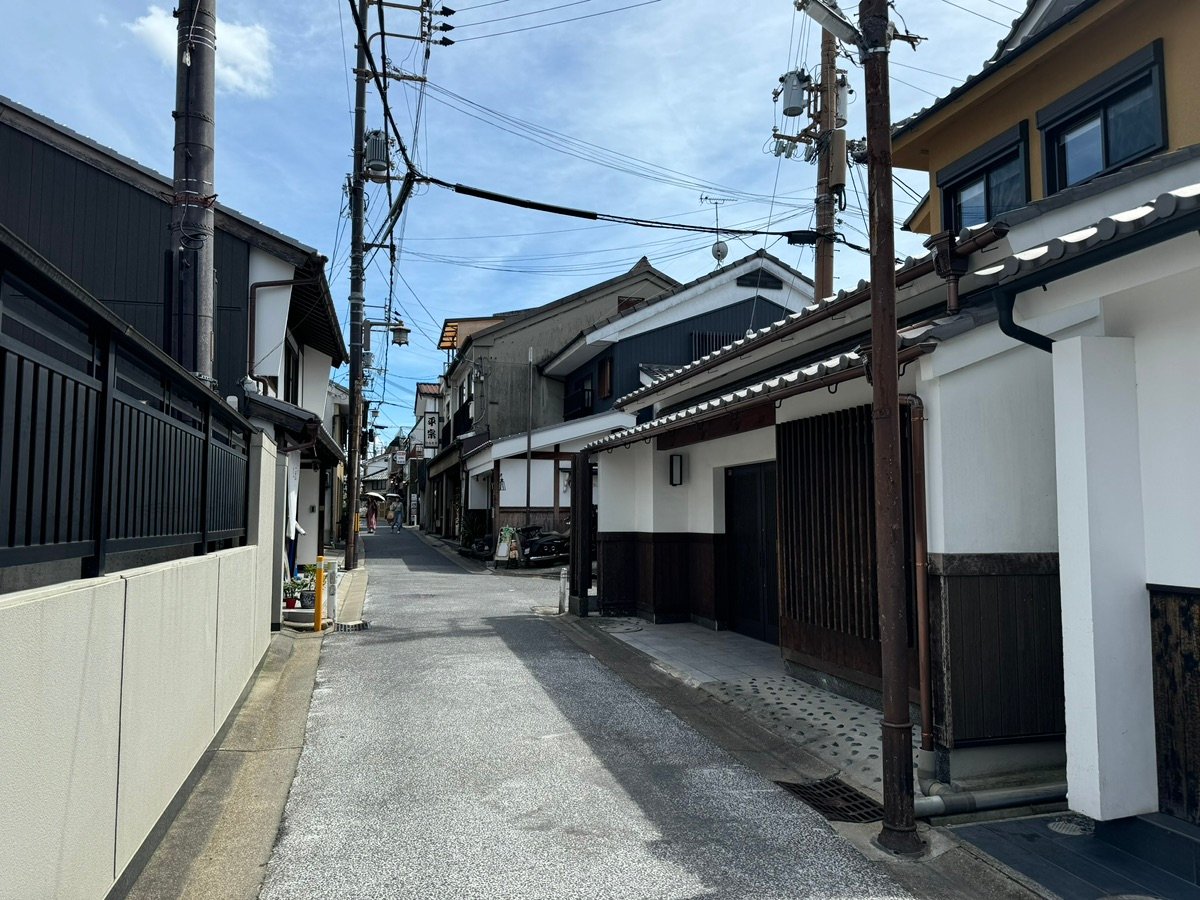
Actually, this street was once temple grounds
The name Nishiterabayashi town hints at its origin. This entire area was once part of the vast grounds of the UNESCO World Heritage Site Gangoji Temple. During the Nara period, the temple was so massive that it covered most of today’s Naramachi district. As the centuries passed, people built their homes and shops within the temple’s old boundary walls, creating the labyrinth of narrow streets and townhouses you see today. Walking here, the subtle curves and slopes of the street follow the original layout of the ancient temple.
The comforting sound of daily life
Low-slung wooden houses stand side by side along the narrow street. Walking through in the mid-afternoon, you might catch the savory aroma of a family lunch or hear the quiet murmurs of neighbors chatting on their doorsteps. The weathered wooden boards and fading signs bear the marks of decades of wind and rain, which only adds to the neighborhood warmth. The overhead power lines slicing through the sky feel like a classic, nostalgic Japanese scene.
Fine wooden lattices and high windows
If you look closely at the upper floors of these traditional townhouses, you will notice narrow wooden lattices covering the windows. Known as ‘mushiko-mado,’ these windows were common in Edo and Meiji-period townhouses (machiya). They allow air and light to enter while keeping the inside private from the street. They are subtle details, but they show how thoughtfully people built their homes to suit the local climate and community.
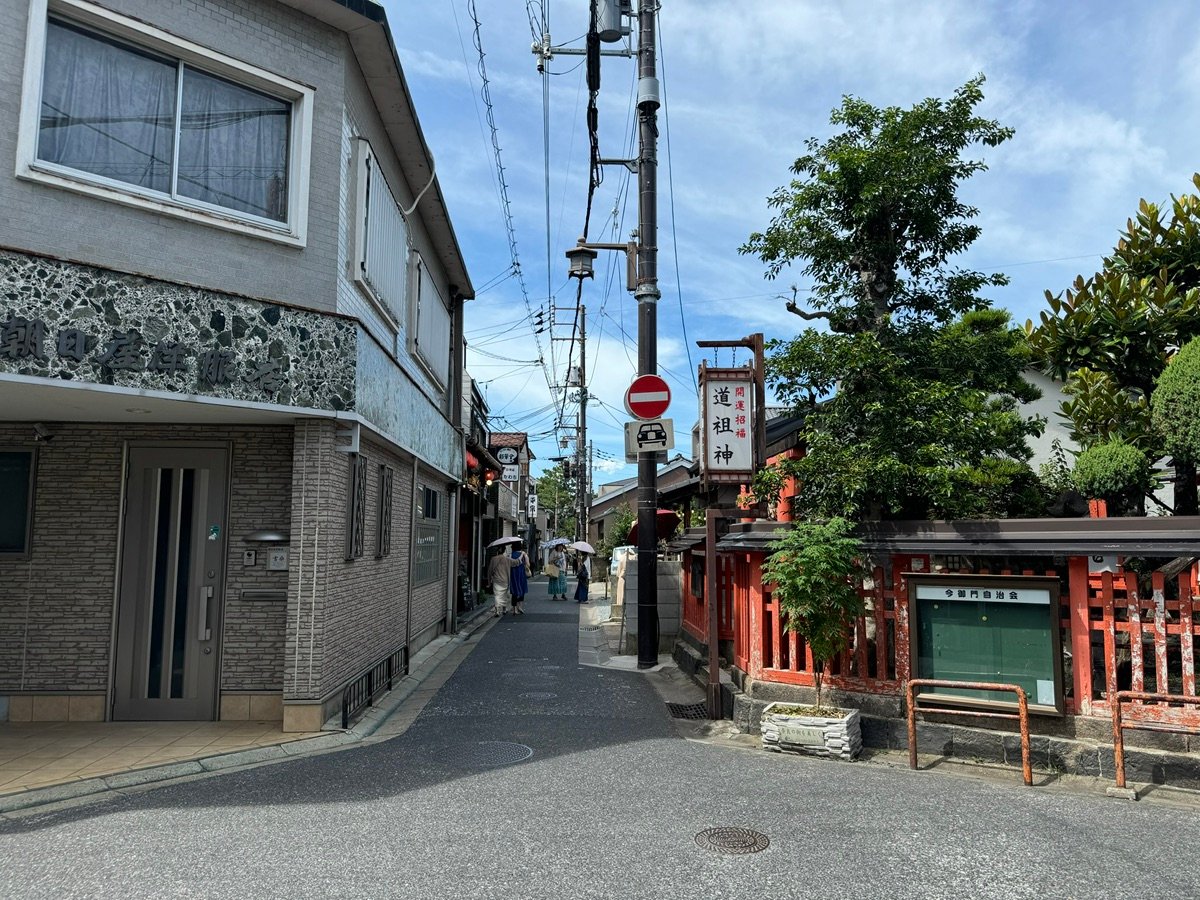
Look up for the little red protective monkeys
Under the eaves of many homes in Naramachi, you will see small, red, stuffed monkey-like figures hanging in rows. Known as ‘Migawari-zaru’ (substitute monkeys), these traditional charms are believed to take on bad luck and illness in place of the residents. On Nishiterabayashi Street, these splashes of red offer a cheerful contrast to the dark, weathered wood of the old buildings.
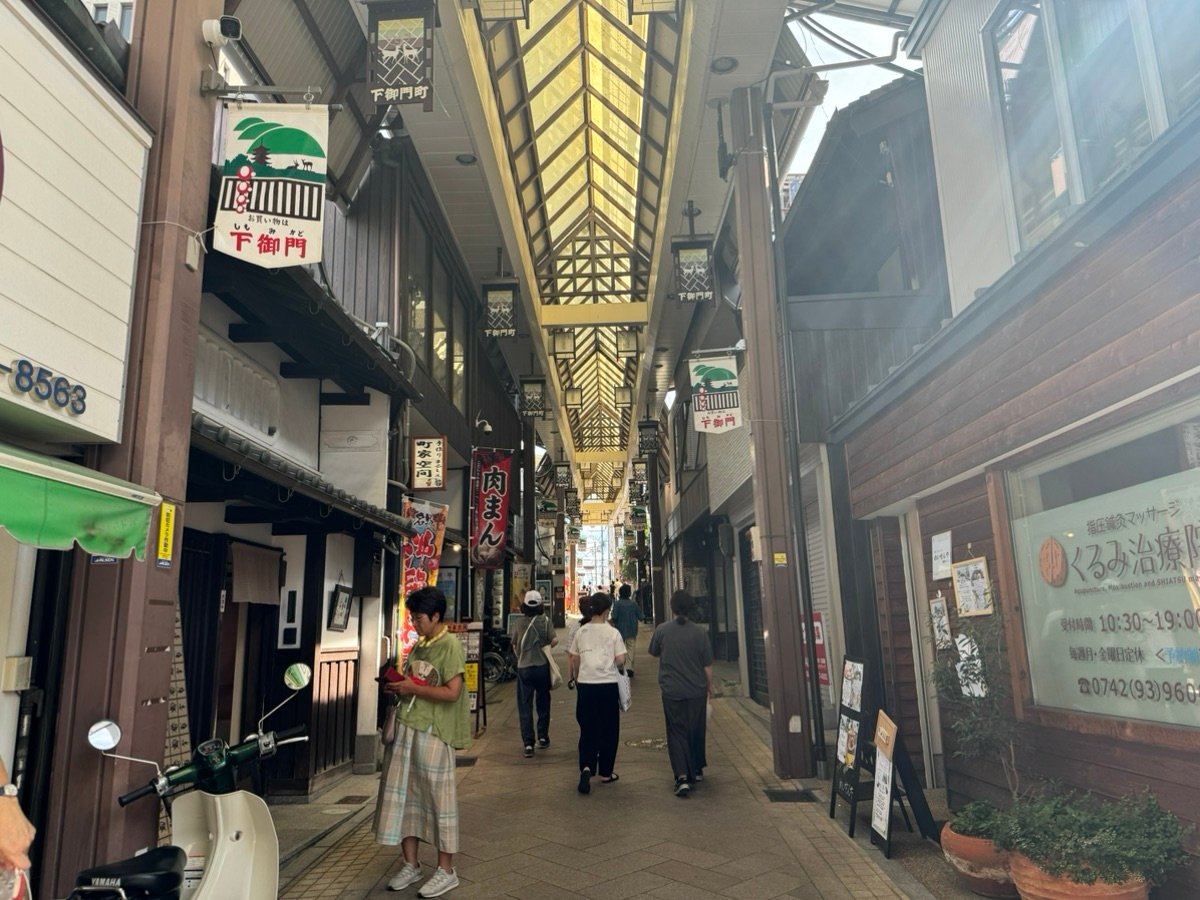
Step inside free machiya museums
A short walk off the street brings you to places like Naramachi Koshi-no-Ie (Lattice House) and the Naramachi Shiryokan, where entry is entirely free. Inside, you can explore the long, narrow rooms and examine the ‘stairs chest’ (stairs built with drawers underneath) designed to maximize limited living space. Sitting on the tatami mats and looking out at the tiny courtyard garden is a great way to rest your feet.
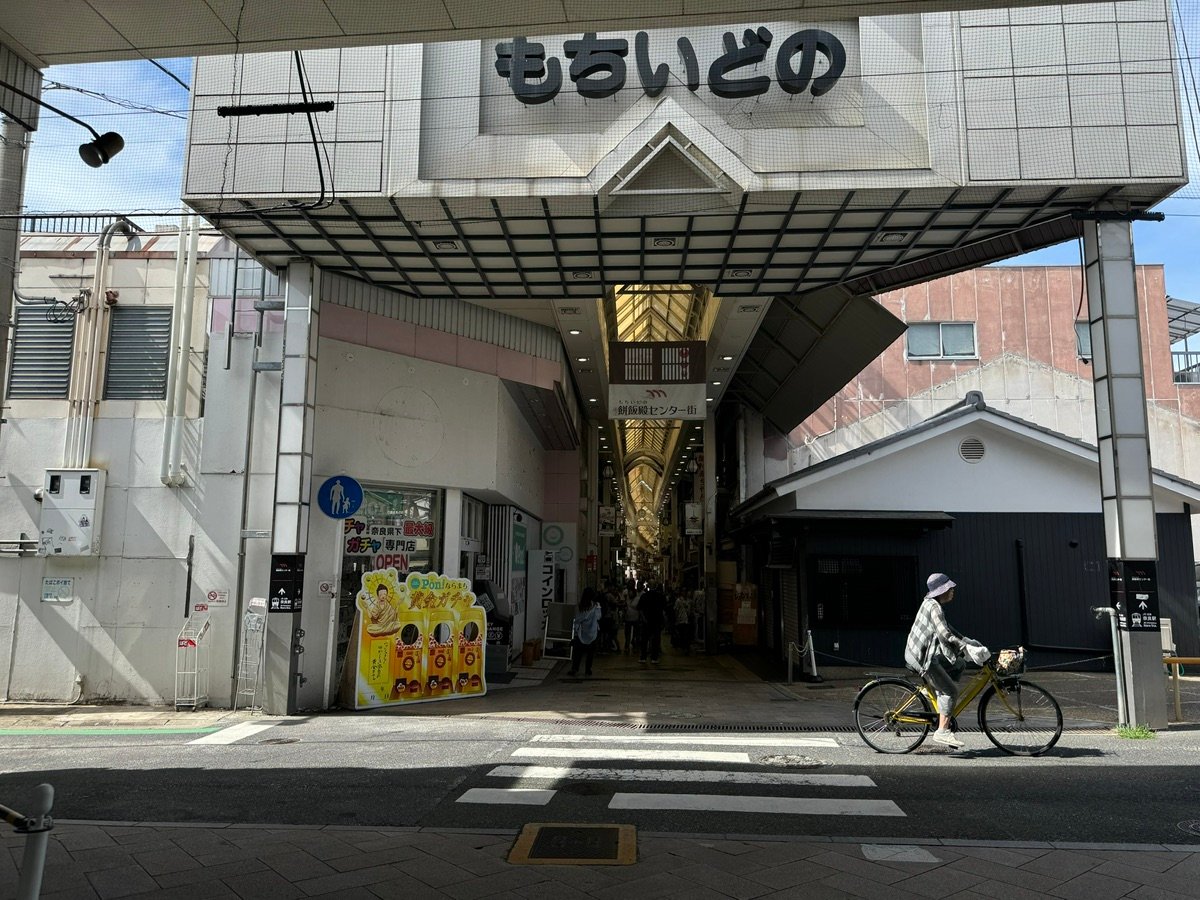
Discovering tiny, quiet independent shops
Nishiterabayashi Street is home to a handful of antique shops, handmade craft boutiques, and tiny cafes. None of these establishments shout for attention; you could easily walk past without noticing them. But that is what makes finding them so satisfying. Striking up a conversation with an elderly shop owner or buying a vintage ceramic dish makes for a far better travel memory than any commercial souvenir shop.
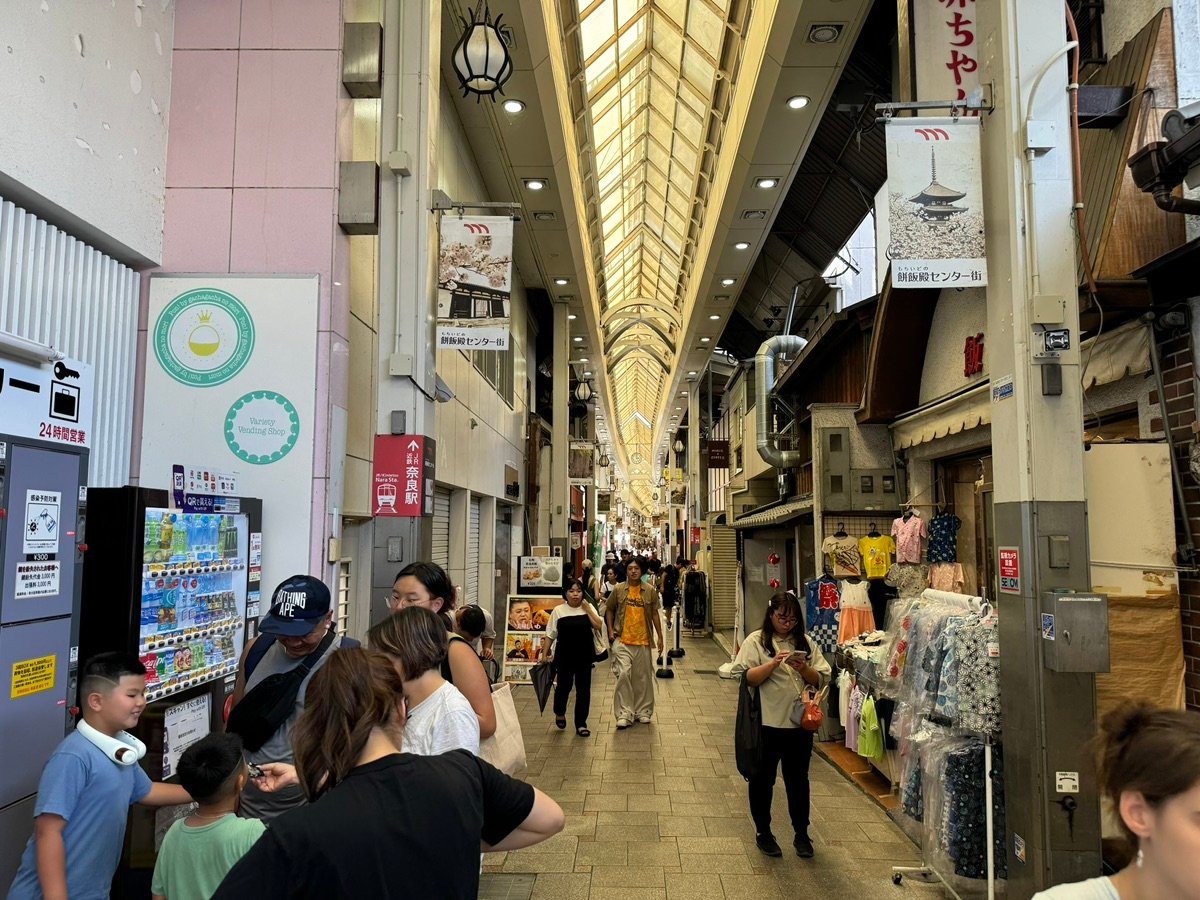
Best Timing
The best time to wander through is between 3:00 PM and 5:00 PM. As the sun begins to set, the warm light illuminates the old wooden walls and casts long, dramatic shadows down the lane, making it feel like a scene from an old film. If you prefer to have the street entirely to yourself for photography, try arriving around 10:00 AM before the local shops open.
Climate & Best Season
Nara has hot, humid summers from June to August, with average highs of 31–33°C. Winters are cold, with average lows dropping to 1–2°C. The rainy season generally spans from mid-June to late July. For the most comfortable experience, plan your visit during the spring (March to May) or autumn (October to November). Spring brings cherry blossoms to the nearby parks, while autumn paints the temples in brilliant shades of red and gold.
Traveler’s Memo
Access
It is a 7–10 minute walk from Kintetsu-Nara Station, or a 12–15 minute walk from JR Nara Station. A round-trip train ticket from Kyoto or Osaka costs between ¥1,440 and ¥1,620.
Budget
Exploring the street itself is free. Visiting the historical machiya museums like Naramachi Koshi-no-Ie is also free. Admission to the nearby Gangoji Temple is ¥500. Tipping is not practiced in Japan, and all prices are fixed, so do not try to negotiate prices.
Recommended Gourmet
Try Kakinoha-zushi (sushi wrapped in persimmon leaves), a local specialty. A lunch set at Hiraso Nara Store on Imamikado-cho costs around ¥1,240–¥1,300. For a quick snack, pick up freshly made Yomogi Mochi (mugwort rice cake) at Nakatanidou on Sanjo Street for ¥200 per piece. If you want a full meal, Awa Naramachi offers organic Yamato vegetable sets starting at ¥3,190.
Nearby Spots
- Sarusawa Pond: A peaceful pond that offers a beautiful reflection of the Kofukuji pagoda on clear days.
- Kofuku-ji Temple: A historic temple complex housing spectacular national treasures and Buddhist statues.
- Gangoji Temple: One of Japan’s oldest temples, known for its unique tiled roof and peaceful atmosphere.
FAQ
Do I need a ticket or reservation to walk down the street?
No, it is a public shopping street and is completely free to enter and wander around at any time.
Are the nearby machiya museums suitable for children?
Yes, children can learn about old Japanese homes, but please ensure they do not run inside or touch the historic wooden structures.
Is there parking available near the street?
The street itself is too narrow for cars, but there are several paid coin-operated parking lots nearby. Public transit is highly recommended.