If you’ve ever dreamt of stepping back in time amidst the glittering modernity of Dubai, then the Al Seef Souk, nestled along the historic Dubai Creek in the United Arab Emirates, is your destination. Far from the towering skyscrapers, this charming marketplace offers a window into the emirate’s rich past, presenting a captivating blend of traditional architecture and authentic local experiences.
Echoes of Old Dubai: How Heritage Was Reimagined
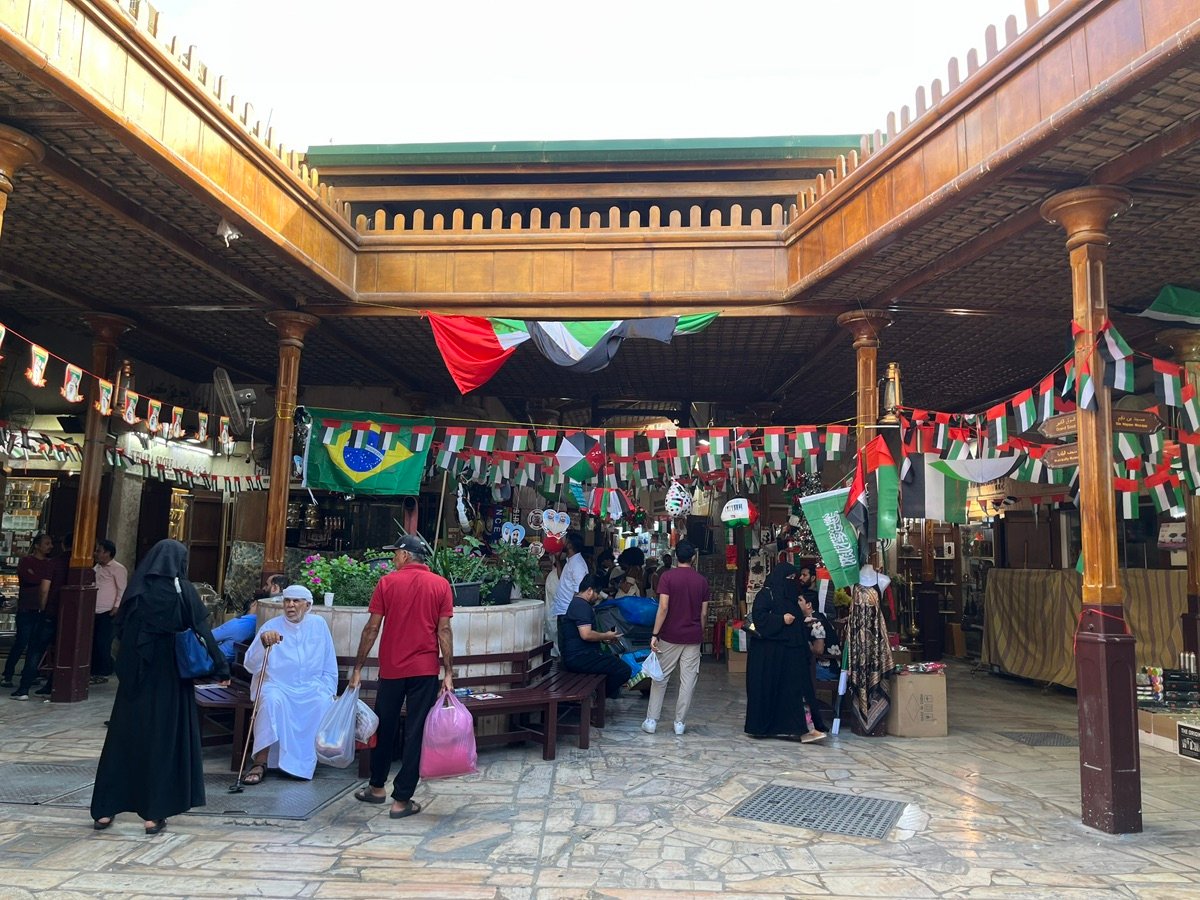
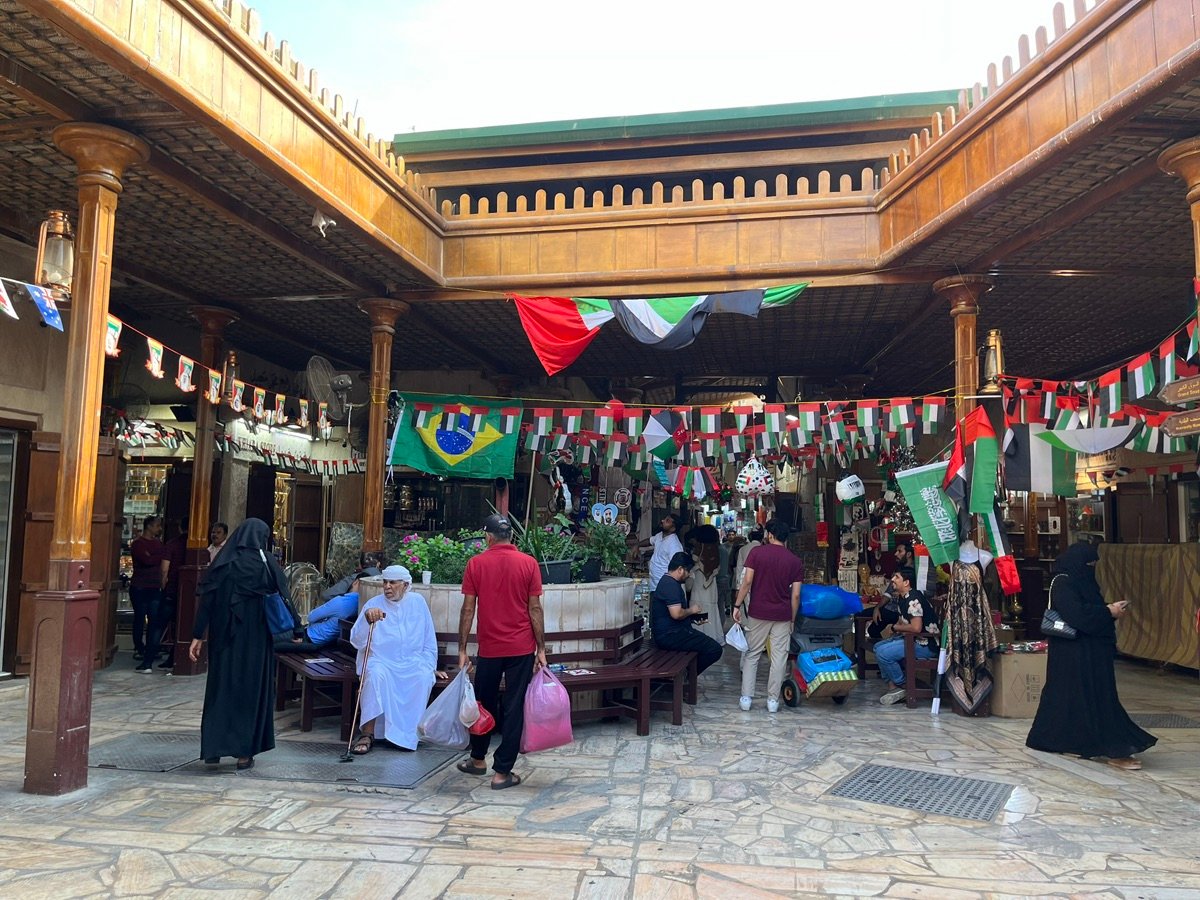
The Al Seef Souk isn’t just a market; it’s a meticulously crafted tribute to Dubai’s heritage. Developed as part of the larger Al Seef development, it aims to recreate the authentic charm of old Dubai, complete with wind-tower architecture, rustic mud-plastered buildings, and intricately carved wooden doors. This project was a conscious effort to preserve and showcase the city’s roots, allowing visitors to experience what life might have been like before the oil boom. Walking through its shaded pathways, you’re not just shopping; you’re tracing the footsteps of merchants and traders who once animated the banks of the Dubai Creek for centuries. It’s a remarkable fusion of historical homage and modern-day tourism, providing both comfort and a compelling narrative.
A Sensory Journey: Light, Shadow, and Subtle Scents
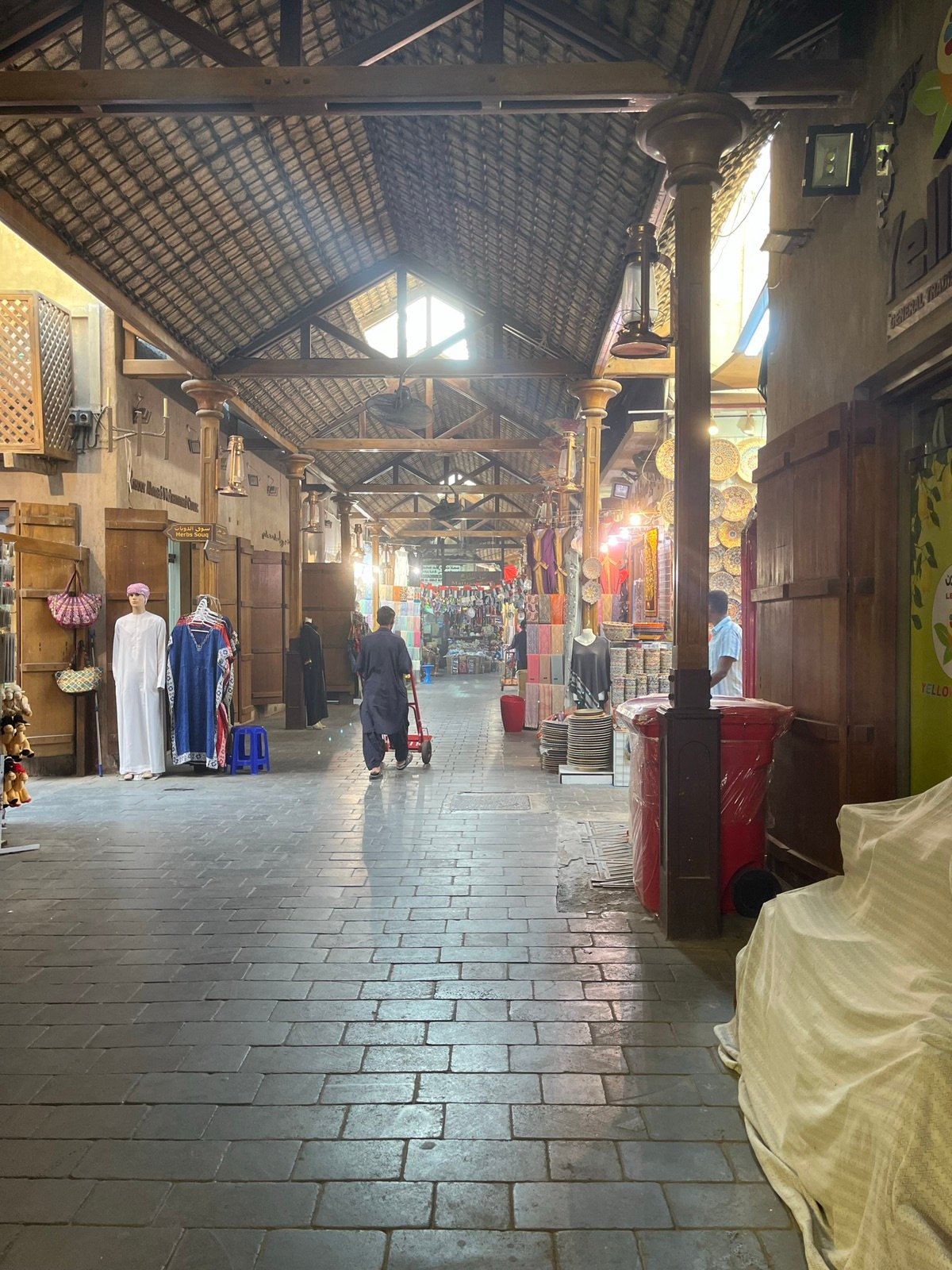
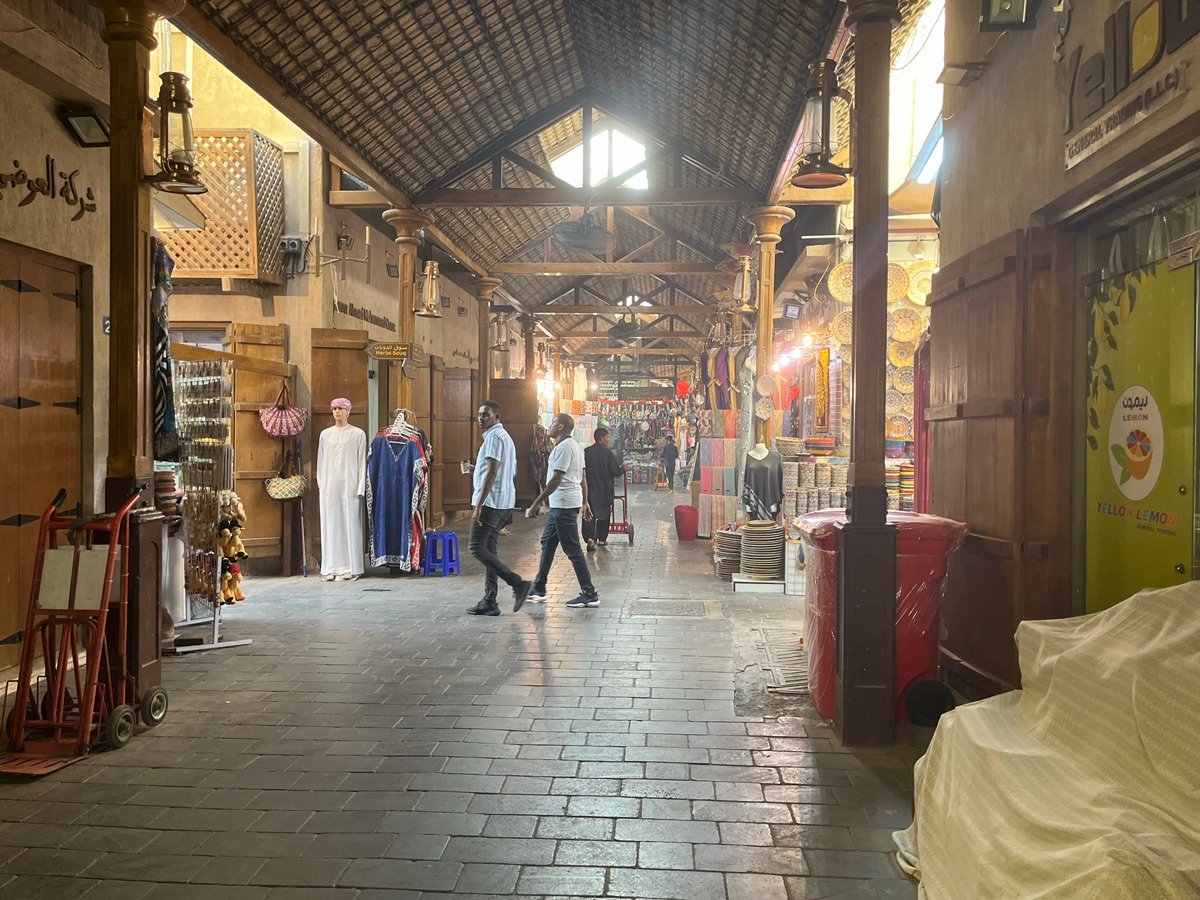
The moment you step under the intricate wooden roof of Al Seef Souk, the atmosphere shifts. The harsh desert sun is softened by the natural light filtering through triangular openings and slatted wood, creating a beautiful interplay of light and shadow on the cobblestone-like ground. A gentle breeze often flows through the open-air design, a welcome relief. The air carries a subtle mix of incense, perfumes, and the sweet aroma of local spices, inviting you to explore further. Unlike modern malls, the souk’s scale makes you feel comfortably enveloped, fostering an intimate shopping experience where every turn reveals a new handcrafted treasure or a vibrant display of textiles. Look up at the unique ceiling structure; it’s a masterclass in traditional building techniques adapted for contemporary comfort. You’ll notice the robust wooden beams and the tiled roof, designed to keep the space cool, a testament to ancient wisdom.
The Golden Hours: When to Experience Al Seef’s Magic
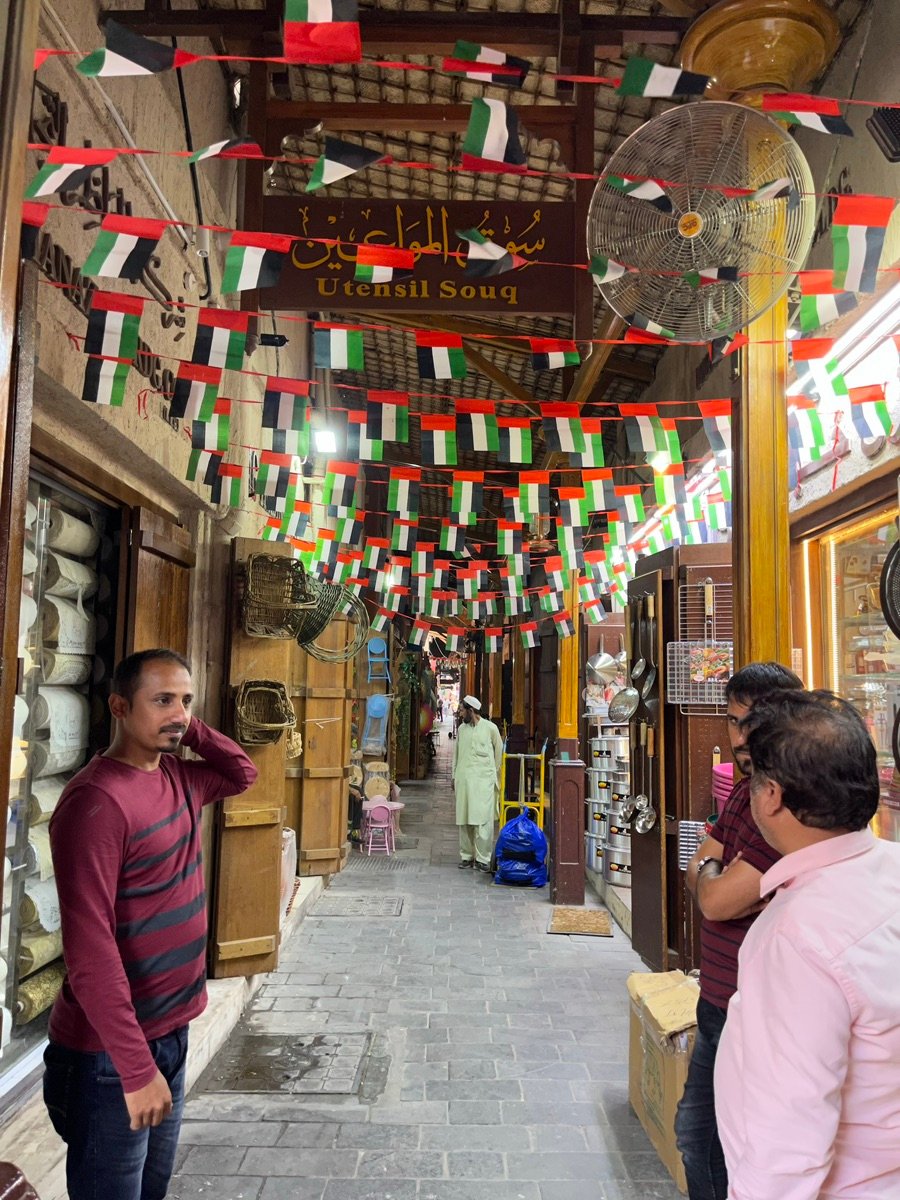
To truly capture the essence of Al Seef Souk, timing is key. For a comfortable stroll and vibrant activity, visiting in the late afternoon or early evening is ideal. The temperatures are cooler, and the souk comes alive with golden light from the setting sun, which then transitions into the warm glow of lanterns and shop lights. This creates a particularly magical ambiance perfect for photography. If you prefer fewer crowds and a more tranquil experience, try a weekday morning, though some shops might still be setting up.
Pro-tip: Arrive about an hour before sunset. This allows you to experience the souk in daylight, witness the beautiful sunset over the Creek, and then see the market transform with its evening illumination.
Must-See Details Beyond the Shopping
While shopping is undoubtedly a draw, the souk itself is a work of art. Here are a few things to pay close attention to:
- The Roof Architecture: Look up! The exposed wooden beams and the pattern of the roof tiles, with strategic triangular openings, are a marvel of traditional design. It keeps the area cool and provides stunning photo opportunities.
- Traditional Lanterns: Many shops and pathways are adorned with antique-style lanterns, some still using actual flames or warm LED bulbs, adding to the old-world charm, especially after dusk.
- Wooden Doors and Shutters: Each shop features unique wooden doors and shutters, often intricately carved, reflecting traditional Emirati craftsmanship. These are not merely functional but decorative elements that enhance the historical feel.
- Mannequins in Traditional Attire: Notice the mannequins displaying traditional Emirati garments like the ‘kandura’ for men and ‘abaya’ for women. This offers a glimpse into local fashion and culture.
- The Dubai Creek Views: Step out onto the boardwalk sections of Al Seef to catch picturesque views of the Dubai Creek, with traditional ‘abras’ (water taxis) ferrying passengers, connecting the souk to the older parts of Dubai.
Planning Your Visit to Al Seef
Access
The Al Seef Souk is conveniently located on the Bur Dubai side of the Dubai Creek. You can easily reach it by taxi or ride-sharing apps. If using the Dubai Metro, take the Green Line to BurJuman Station, then it’s a short taxi ride or a pleasant 15-20 minute walk along the Creek. Alternatively, for a truly local experience, take an ‘abra’ (traditional water taxi) from the Deira Old Souk station across the Creek to the Bur Dubai Old Souk, then walk a short distance to Al Seef.
Budget
Shopping at Al Seef Souk can range from very affordable souvenirs to more significant investments in textiles, jewelry, and art. Expect mid-range prices for most goods. Haggling is common and expected in traditional souks, so don’t be shy to negotiate prices, especially for larger purchases. Dining options vary from casual cafes to more upscale restaurants, offering a range of price points.
Recommended Gourmet
While in Al Seef, explore the numerous cafes and restaurants lining the Creek. Try authentic Emirati cuisine at places like Al Fanar Restaurant & Cafe for traditional dishes in a heritage setting. Many smaller eateries offer local snacks and Arabic coffee. Don’t miss out on trying some fresh fruit juices or a traditional ‘karak’ chai.
Nearby Spots
- Dubai Creek: The lifeline of old Dubai, perfect for abra rides or a stroll along the promenade. It connects to various historical souks.
- Al Fahidi Historical Neighbourhood (Al Bastakiya): A short walk from Al Seef, this well-preserved district offers insight into Dubai’s traditional architecture and cultural heritage, with art galleries and museums.
- Bur Dubai Old Souk: Directly adjacent, this souk is known for its textiles and souvenirs. You can take an abra from here to the Deira side.
- Gold Souk & Spice Souk (Deira): Easily accessible via an abra ride across the Creek, these iconic souks offer a dazzling array of gold jewelry and aromatic spices.