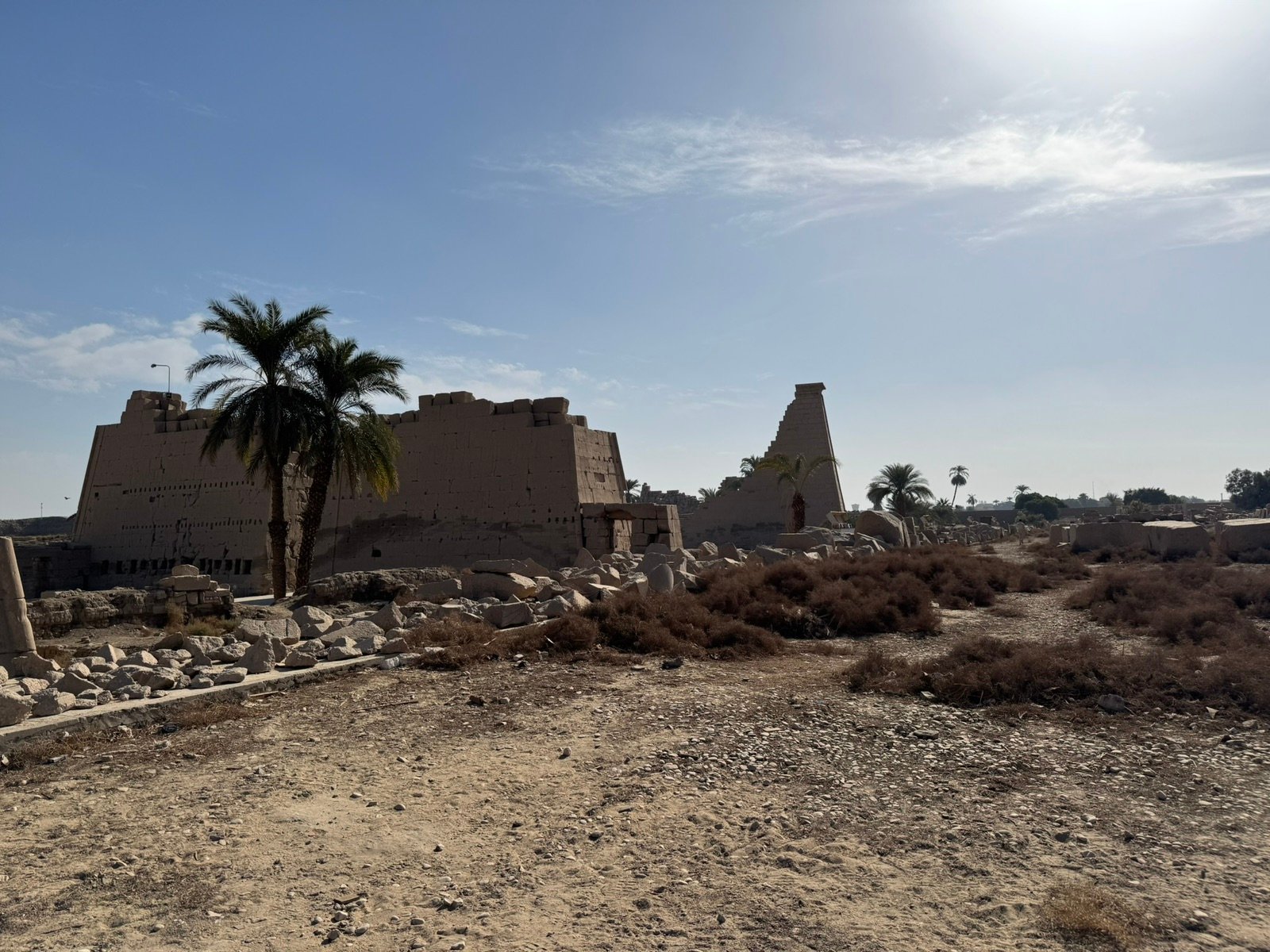
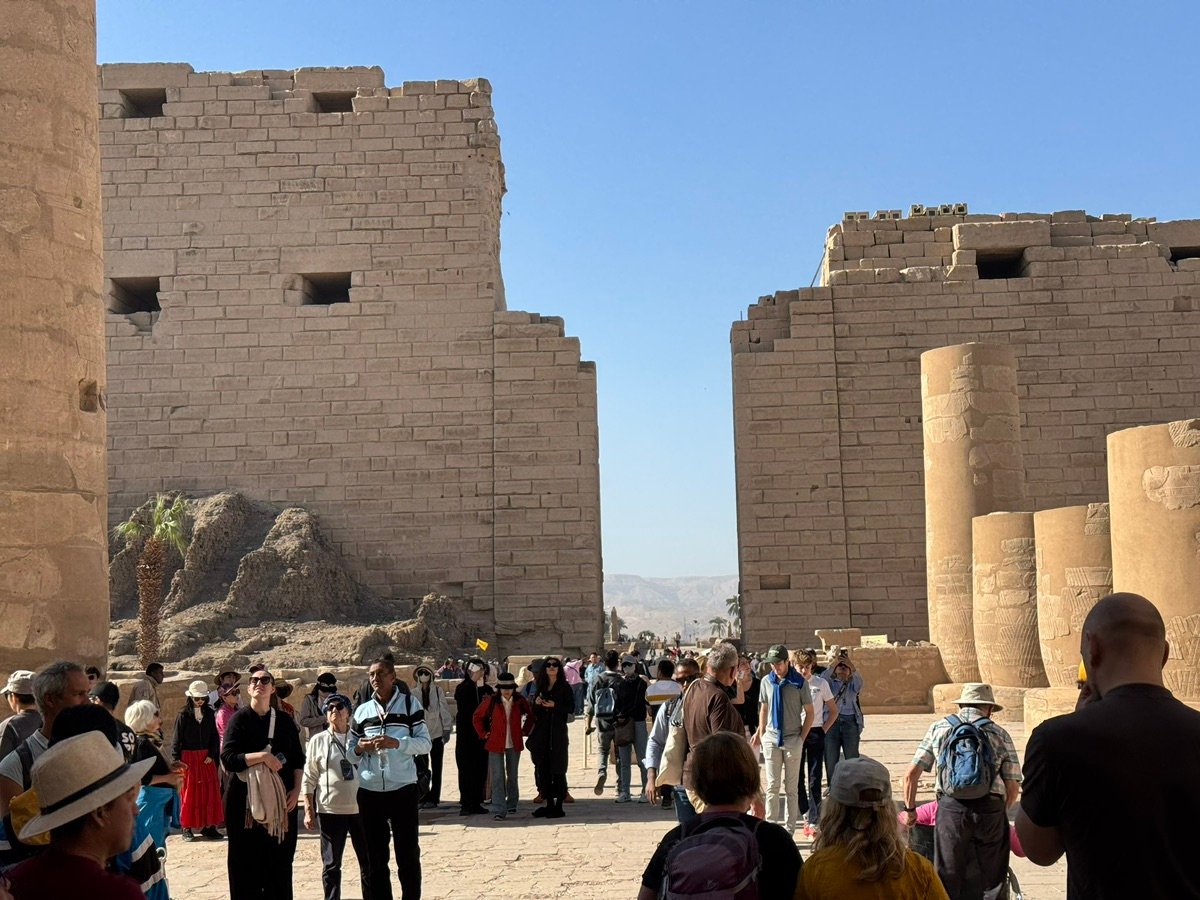
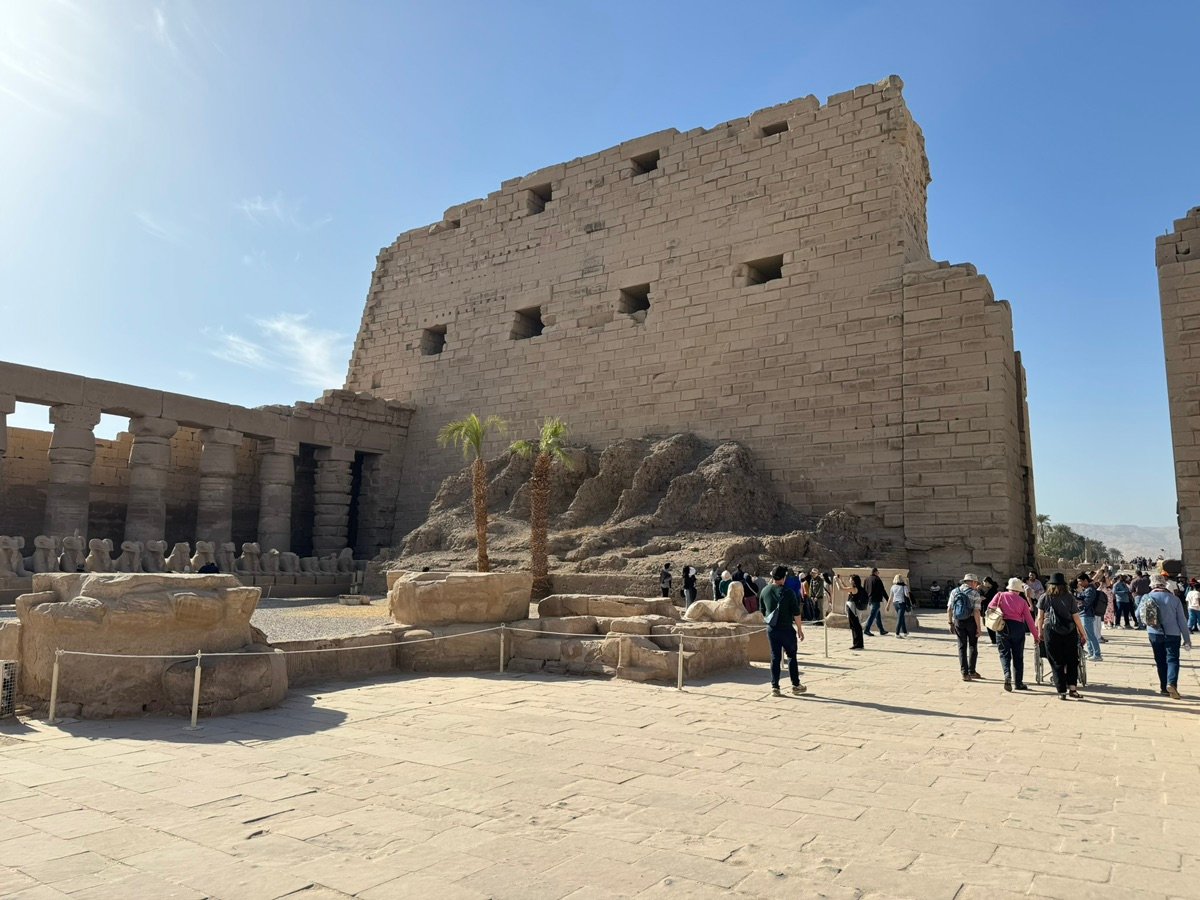
Stepping into the Karnak Temple Complex in Luxor is like walking into the pages of an ancient history book, only it’s all real and overwhelmingly vast. The sheer scale of these ruins is breathtaking. Under the warm Egyptian sun, the colossal walls and structures rise against a brilliant blue sky, dotted with a few wispy clouds. Palm trees punctuate the scene, providing a touch of green against the desert-hued stone and sand.
The air hums with a quiet majesty, a testament to millennia of devotion and monumental construction. You can almost hear the echoes of ancient ceremonies and the footsteps of pharaohs. It’s a place that truly dwarfs you, forcing you to contemplate the passage of time and the incredible achievements of ancient civilizations.
Background/Context
The Karnak Temple Complex isn’t just one temple; it’s a vast open-air museum and the second-largest ancient religious site in the world, surpassed only by Angkor Wat. Primarily dedicated to the Theban Triad of Amun, Mut, and Khonsu, construction began in the Middle Kingdom and continued through the New Kingdom, with various pharaohs, including Hatshepsut, Thutmose III, Akhenaten, and Ramesses II, adding their own monumental contributions. It served as the principal place of worship for the god Amun-Re and was a vital spiritual and administrative center for ancient Egypt for over 2,000 years.
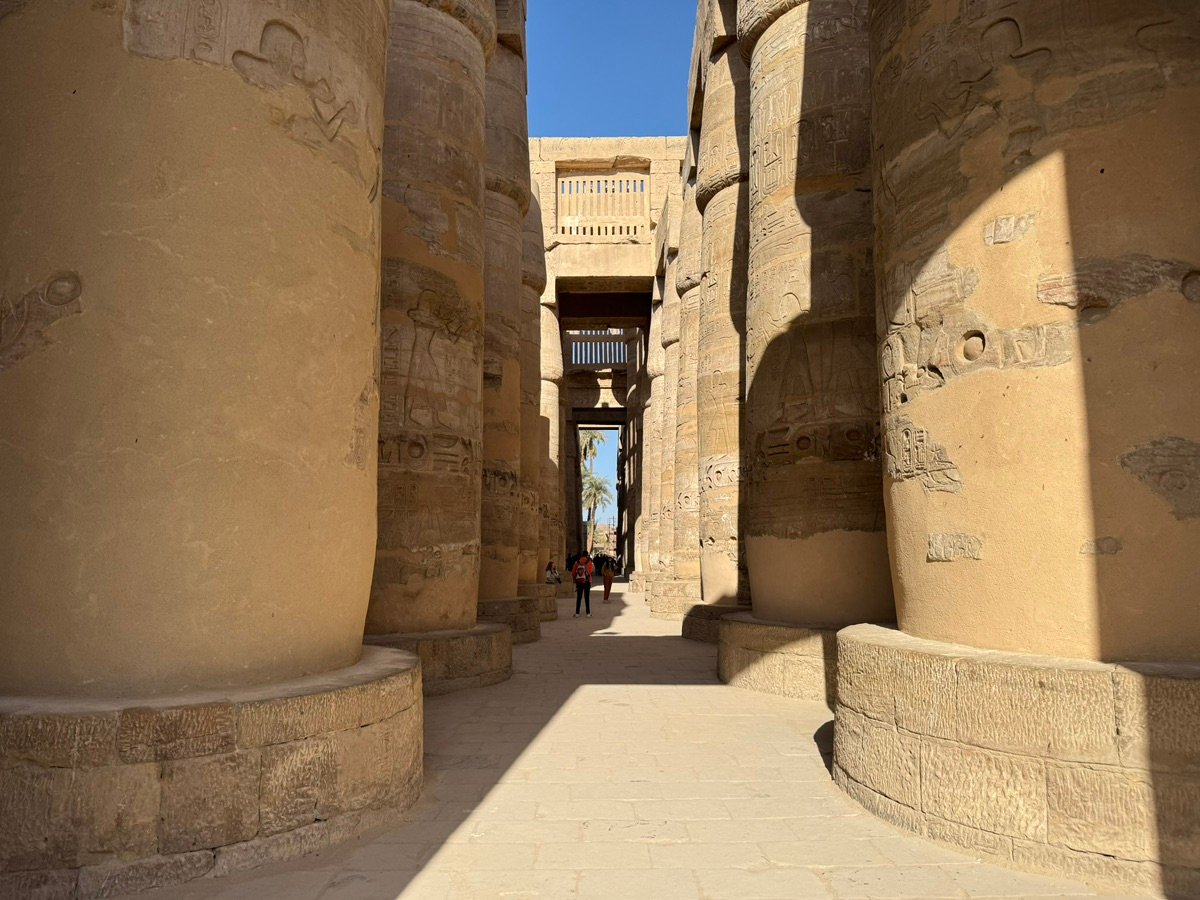
What you see today are the remnants of grand pylons, towering columns, obelisks, and sanctuaries, showcasing different architectural styles and hieroglyphic inscriptions that tell stories of gods, kings, and battles. It’s a testament to the immense power and wealth of the New Kingdom pharaohs, a place designed to reflect the glory of the gods and their earthly representatives.
Atmosphere
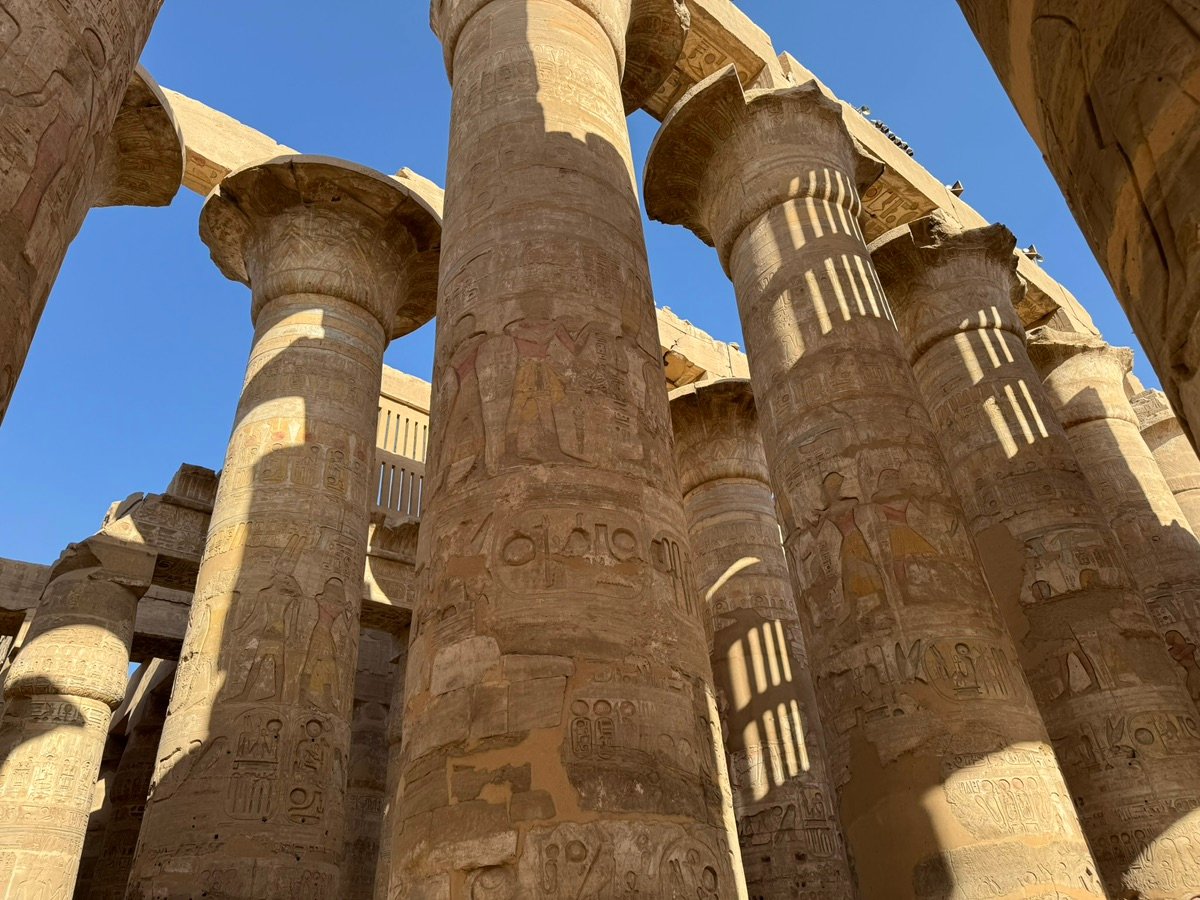
The atmosphere at Karnak is truly otherworldly. Despite the crowds that can gather, there are moments of profound quietude where the desert wind whispers through the ruins. The light plays dramatically off the ancient stone, casting long shadows that emphasize the height and mass of the structures. In the morning, the stone glows with a warm, golden hue, while in the late afternoon, it takes on deeper ochre and reddish tones as the sun dips lower. The feeling of being surrounded by such ancient grandeur is both humbling and inspiring.
Scattered blocks and fallen columns create a landscape of discovery, inviting you to wander and imagine the bustling life that once filled these courts and halls. The persistent presence of palm trees, resilient against the dry conditions, adds a touch of natural beauty and an enduring symbol of life in this ancient landscape.
Best Timing
To truly appreciate Karnak without the intense heat and largest crowds, I highly recommend visiting either early in the morning right after opening or late in the afternoon a couple of hours before closing. The light is also spectacular during these times for photography. Avoid midday during the summer months (May to September) when temperatures can be scorching. The cooler months from October to April are generally the most comfortable for exploring.
Key Highlights
- The Great Hypostyle Hall: An unforgettable forest of 134 colossal columns, many still bearing vibrant hieroglyphs.
- The Sacred Lake: Used for ritual purifications, it offers serene reflections of the temple.
- Obelisks: Marvel at the towering obelisks of Hatshepsut and Thutmose I, symbols of pharaonic power.
- Statue of the Scarab Beetle: Circling this ancient symbol of rebirth is said to bring good luck.
- Precinct of Mut and Montu: Explore the less crowded, but equally significant, smaller temple complexes within Karnak.
Traveler’s Memo
Access
The Karnak Temple Complex is located on the East Bank of Luxor, easily accessible from anywhere in the city. You can take a taxi, which is generally affordable and readily available, or use ride-hailing apps. Many organized tours also include transport to Karnak. Expect a drive of about 10-15 minutes from central Luxor.
Budget
Entry to Karnak typically costs around 200-240 EGP (as of late 2023, prices can change). If you hire a licensed guide at the entrance or through a tour, factor in their fees, which can vary. Water and snacks are available from vendors outside, but bringing your own is advisable. Budget extra for souvenirs if you plan to shop.
Recommended Gourmet
While there are no restaurants inside Karnak, Luxor itself offers fantastic Egyptian cuisine. Try local staples like Koshary (a hearty mix of rice, pasta, lentils, chickpeas, and tomato sauce), fresh Ta’ameya (Egyptian falafel made from fava beans), and sweet tea. For a more substantial meal, many riverside restaurants offer beautiful views along with delicious food.
Nearby Spots
- Luxor Temple: A magnificent temple right in the heart of Luxor, especially stunning when illuminated at night.
- Valley of the Kings: The burial site of pharaohs from the New Kingdom, home to Tutankhamun’s tomb and many others.
- Temple of Hatshepsut: A unique terraced temple dedicated to Egypt’s powerful female pharaoh.
- Colossi of Memnon: Two massive stone statues of Pharaoh Amenhotep III on the West Bank.