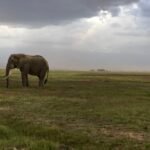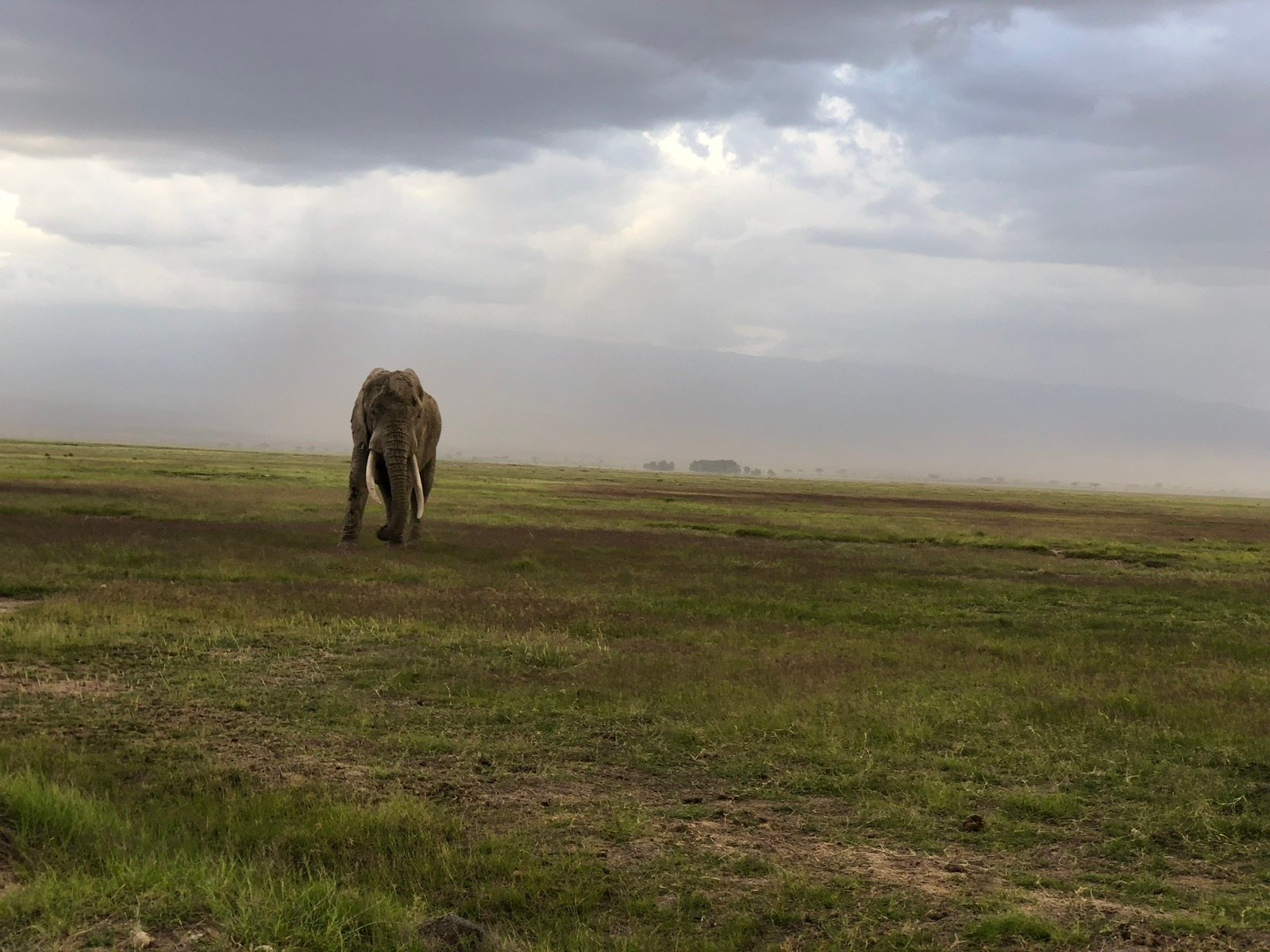
Nothing quite captures the spirit of an African safari like an iconic creature making its way across the vast plains of Kenya. My adventure today brought me face-to-face with a sight that overwhelmed me with its sheer scale and quiet majesty, as if carrying the weight of the world itself. This happened in the heart of Amboseli National Park, truly a wild jewel of Kenya.
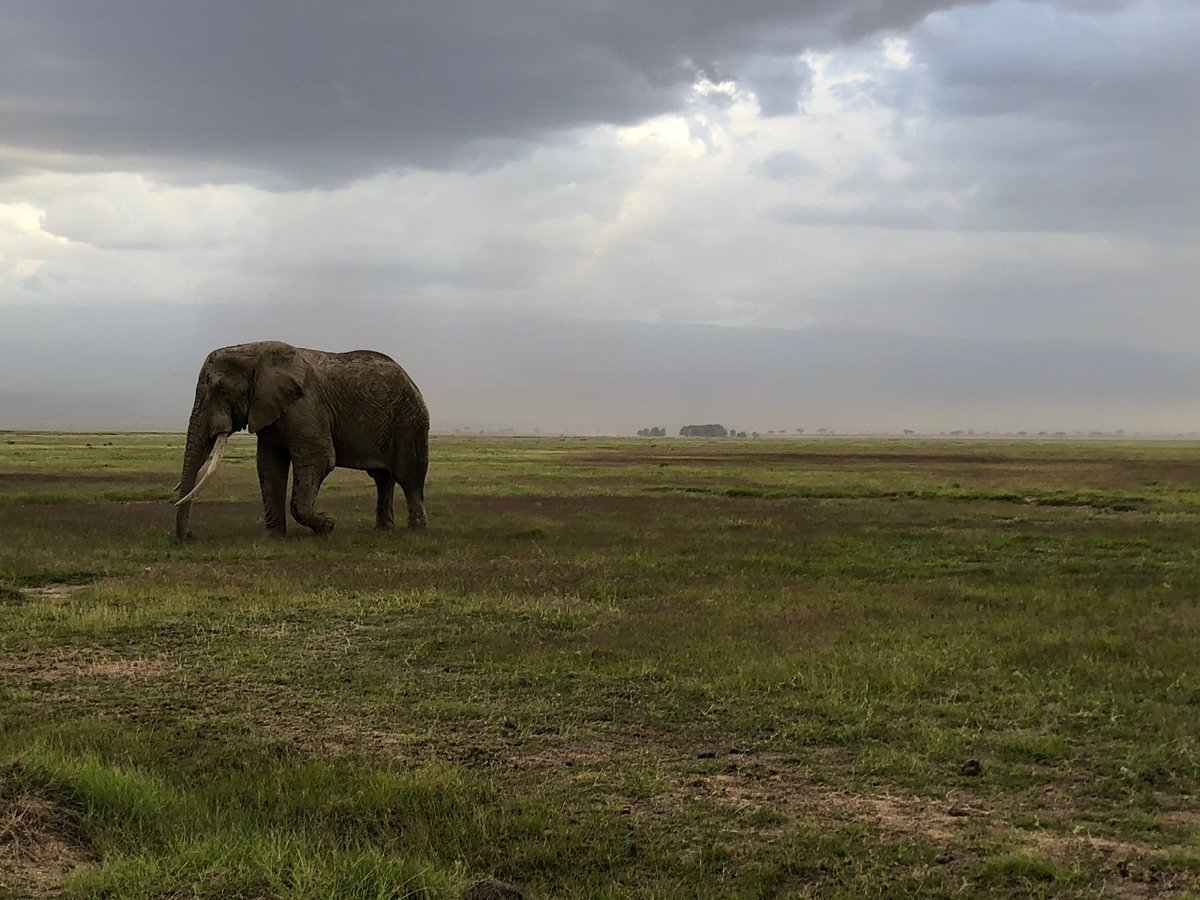
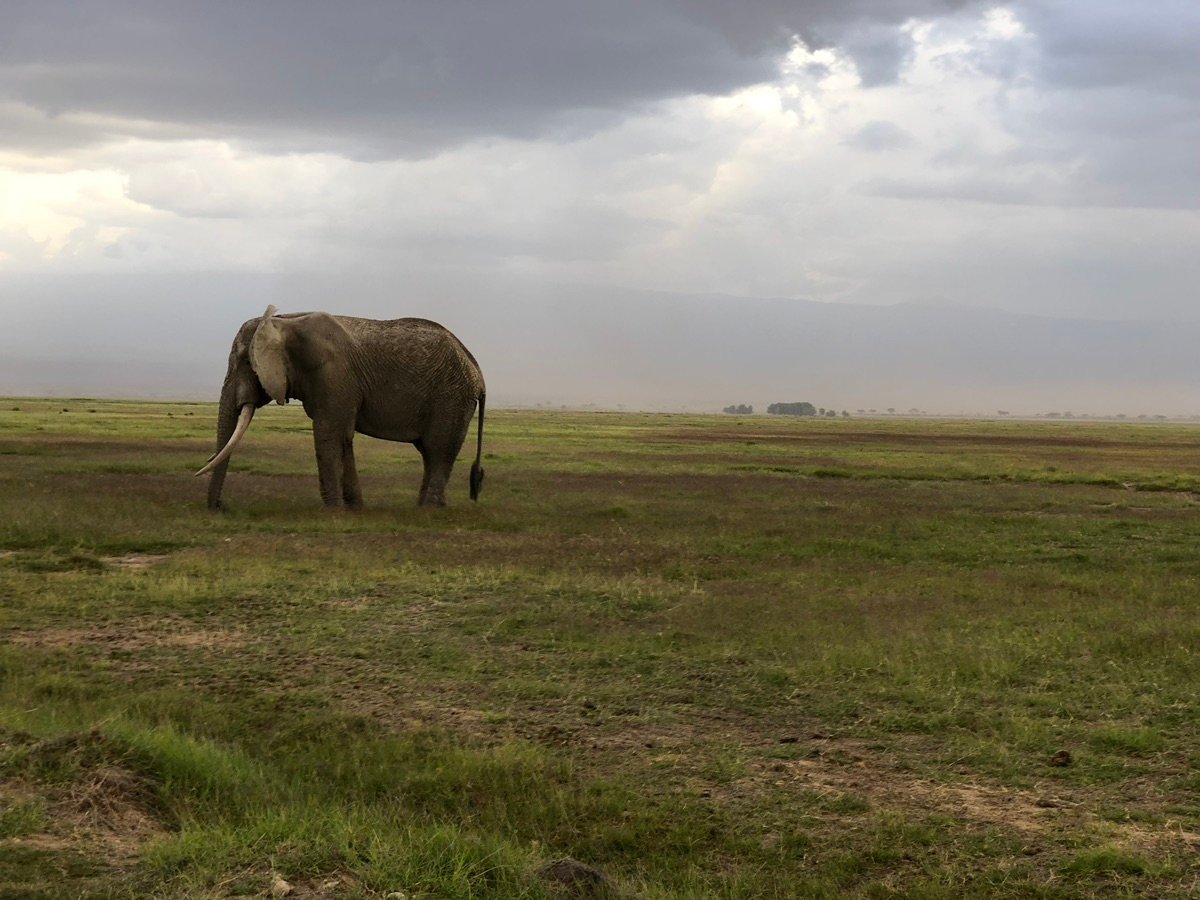
The sky provided a dramatic backdrop of leaden clouds, with what looked like a veil of distant rain washing the horizon. Yet, standing central to this scene was a magnificent African elephant, its impressive tusks telling a story of how many storms it had weathered, how many seasons it had endured. It was a humbling reminder of our small place within these untamed landscapes.
Background/Context
Amboseli, located in southern Kenya, is renowned for its large herds of elephants and breathtaking views of Mount Kilimanjaro, Africa’s highest peak. Its wetlands, fed by underground springs from Kilimanjaro’s ice cap, provide crucial water sources for elephants and other wildlife even during dry seasons. This unique ecosystem creates a perfect habitat for these majestic creatures to thrive.
The elephants are truly the soul of Amboseli and central to its conservation efforts. With every step they take across the park, you feel a deep connection these gentle giants have with their environment. They are not just living in it, but they are a part of the landscape, their very presence dictating the pulse of Amboseli.
Atmosphere
The atmosphere in Amboseli today was nothing short of awe-inspiring. The deep grey of the sky, coupled with the hazy layer in the distance as if rain was cleansing the air, created an incredible sense of stillness. It was charged with a raw, subdued energy, as if a storm was brewing, yet everything was perfectly balanced at the same time.
The expansive plains stretched out, a tapestry of greens and browns, with distant mountains silhouetted faintly against the sky. The presence of this solitary elephant seemed profound and lonely within this immense setting, as if questioning our understanding of what true wildness means.
Best Timing
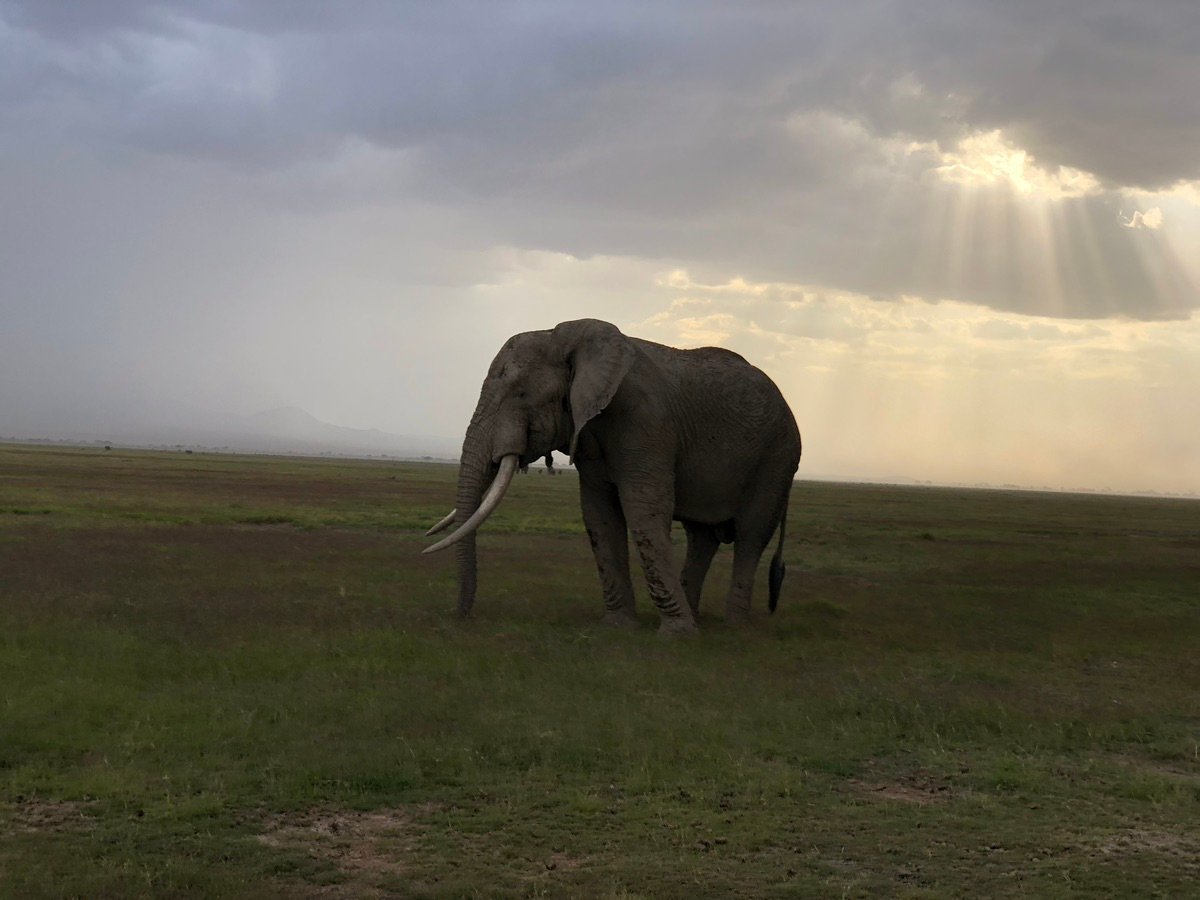
The best time to visit Amboseli is typically during the dry seasons (late January to March and July to October), when elephants congregate around the swamps for water, making them easier to spot. However, the short rainy season (November to December), as seen today, offers dramatic skies and lush landscapes, along with soft light ideal for photography. While dry seasons ensure easier wildlife viewing, the wet seasons reveal a different, more vibrant aspect of the park.
Key Highlights
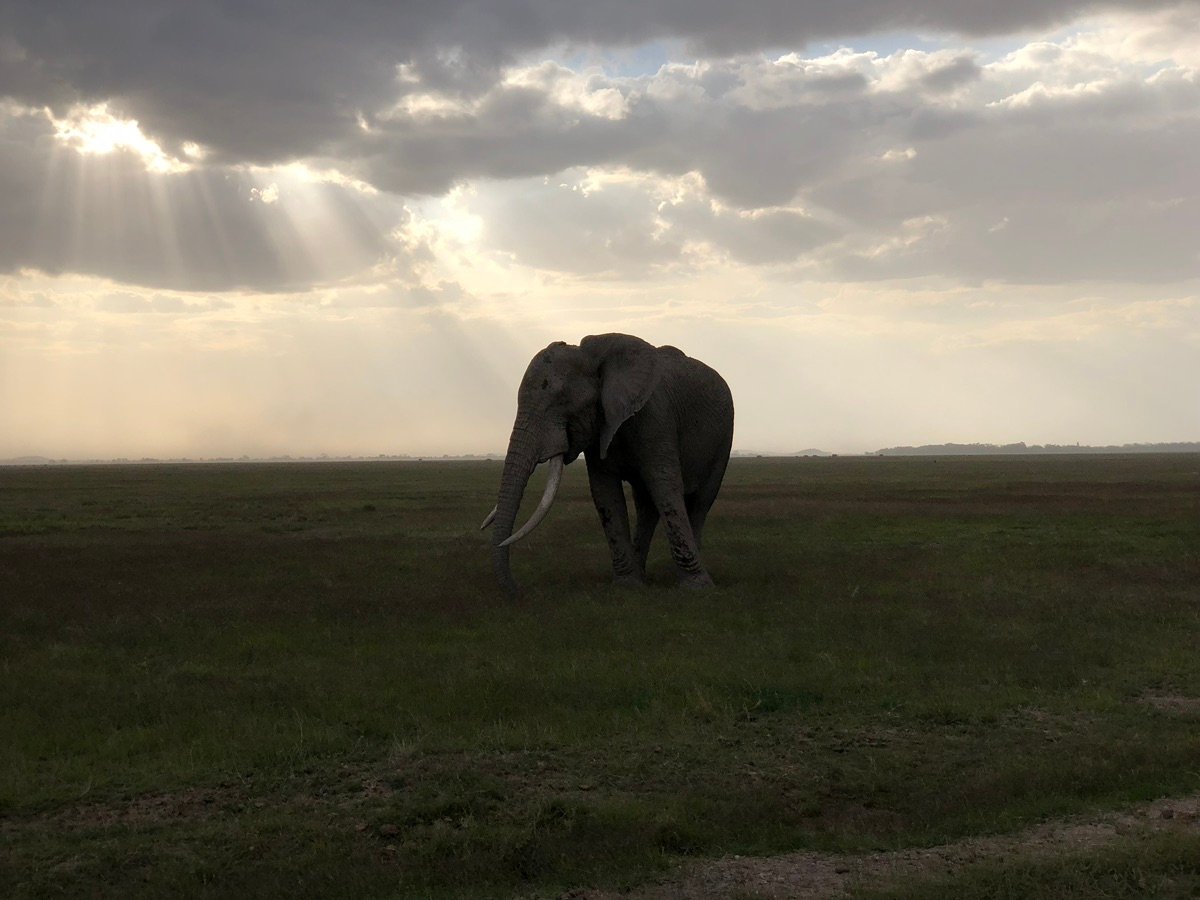
- Encountering the Legendary Big Tuskers: Amboseli is globally famous for its ‘Big Tuskers’ – elephants with magnificent, massive tusks. Witnessing them up close is a truly humbling experience.
- Panoramic Views of Mount Kilimanjaro: From the Kenyan side, you can enjoy breathtaking, unobstructed views of Africa’s highest peak, particularly stunning during sunrise and sunset.
- Diverse Birdlife: The park’s wetlands are home to over 400 species of birds, including numerous water birds, making it a birdwatcher’s paradise.
- Maasai Cultural Interactions: Villages surrounding the park offer unique opportunities to engage with the Maasai people and learn about their rich culture and traditions.
Traveler’s Memo
Access
Amboseli National Park can be accessed by road from Nairobi, approximately a 4-5 hour drive, or by a short domestic flight to Amboseli Airport (Ol Tukai Airstrip). Many safari lodges offer airport transfers. A 4×4 vehicle is highly recommended for game drives.
Budget
The cost of a safari in Amboseli varies significantly based on accommodation (from camping to luxury lodges), duration of the safari, and transport. Park entry fees are $60 USD per adult per day. Expect an overall budget ranging from mid-range $200-$500+ per person per night.
Recommended Gourmet
Most safari lodges and camps offer a mix of international and local Kenyan cuisine. Don’t miss the opportunity to try traditional Kenyan dishes like ‘Ugali’ (cornmeal porridge), ‘Sukuma Wiki’ (sautéed collard greens), and ‘Nyama Choma’ (grilled meat).
Nearby Spots
- Chyulu Hills National Park: Known for its striking volcanic landscapes and diverse wildlife, including elephants, lions, and buffalo.
- Tsavo West National Park: One of the ‘twin’ Tsavo parks, featuring Mzima Springs (where you can see hippos and crocodiles) and a rhino sanctuary.