When you think of the Giza Pyramids, you might imagine huge crowds, but there’s a spot that’s surprisingly peaceful. What you see in the photo is the Pyramid of Menkaure, the smallest of the three main pyramids. It feels a bit like a secret spot, especially being the closest to Cairo. I’m going to tell you all about this place where you can really feel Egypt’s grand history.
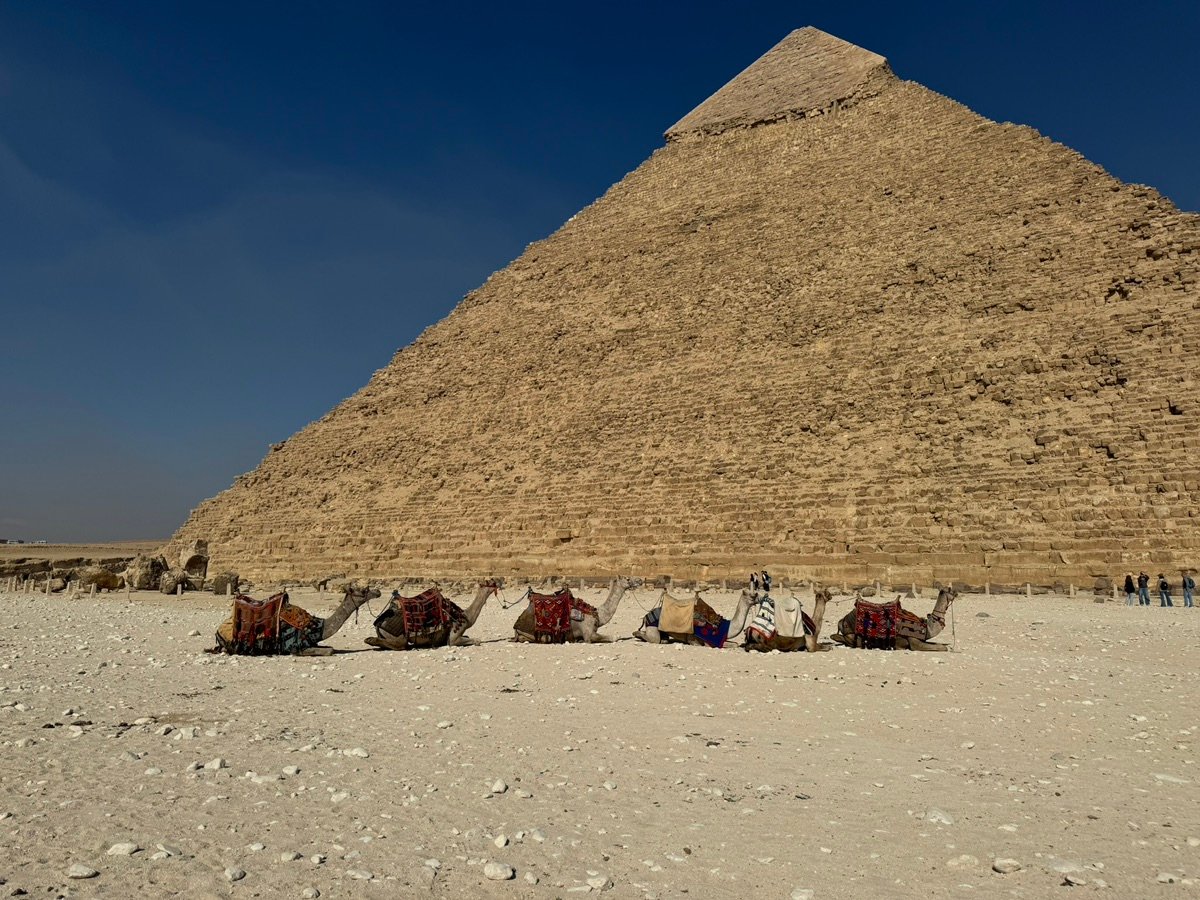
The Pyramid of Menkaure is actually pretty special
The three main pyramids of Giza are Khufu, Khafre, and Menkaure. But Menkaure’s, being smaller, tends to have fewer visitors, which is actually a good thing. You can escape the main crowds and really take your time to appreciate its history and sheer size. The surface stones are quite eroded, giving it a rugged look that hints at its internal structure, which I think adds to its charm.
The desert quiet and camel sighs felt so calm
Standing at the base of this pyramid, you’re just overwhelmed by its scale. While there are tourists, it’s definitely quieter than the central areas. You can hear the desert wind and the gentle breathing of the camels resting nearby. Up close, each stone is many times larger than a person, and it gives you goosebumps just imagining how they stacked all of this. The contrast between the clear blue sky and the sand on a sunny day was incredible, truly a picturesque view.
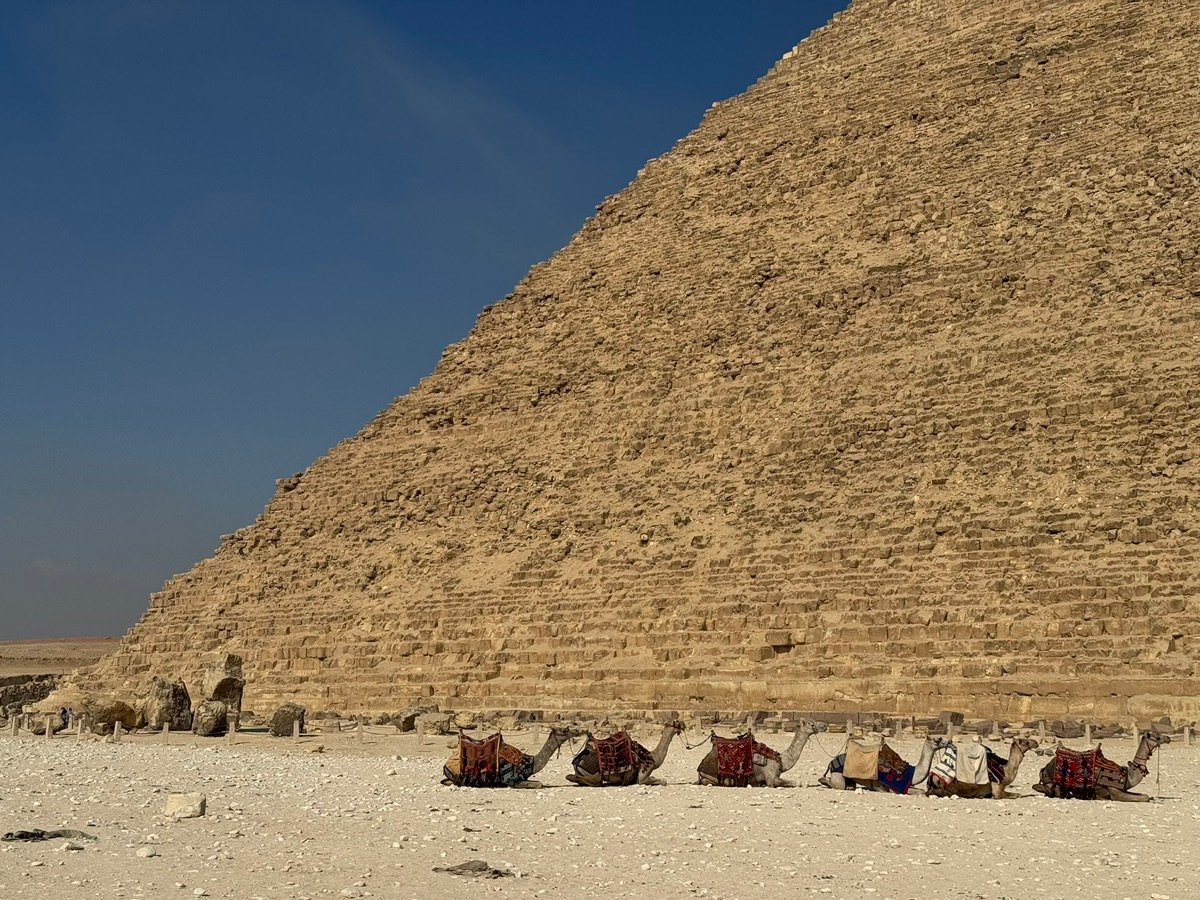
The rough stone texture on this pyramid is wild!
Compared to the other two pyramids, Menkaure’s Pyramid has some rougher, unfinished sections on its surface. It’s said that parts of it were left incomplete, and that rugged texture of the stones really makes you imagine the immense effort of the ancient builders. Up close, each stone has a unique look, showing the marks of manual labor, which I found fascinating.
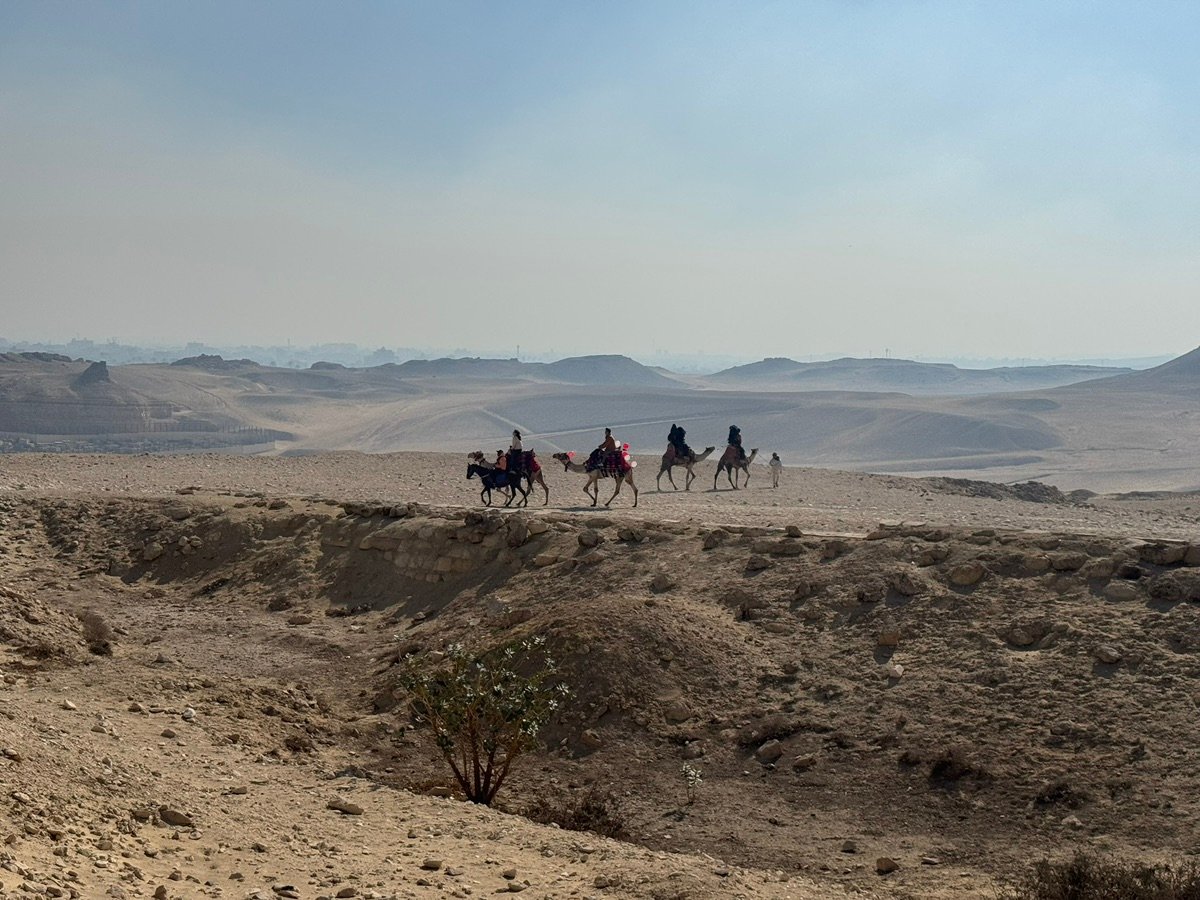
These resting camels were so cute
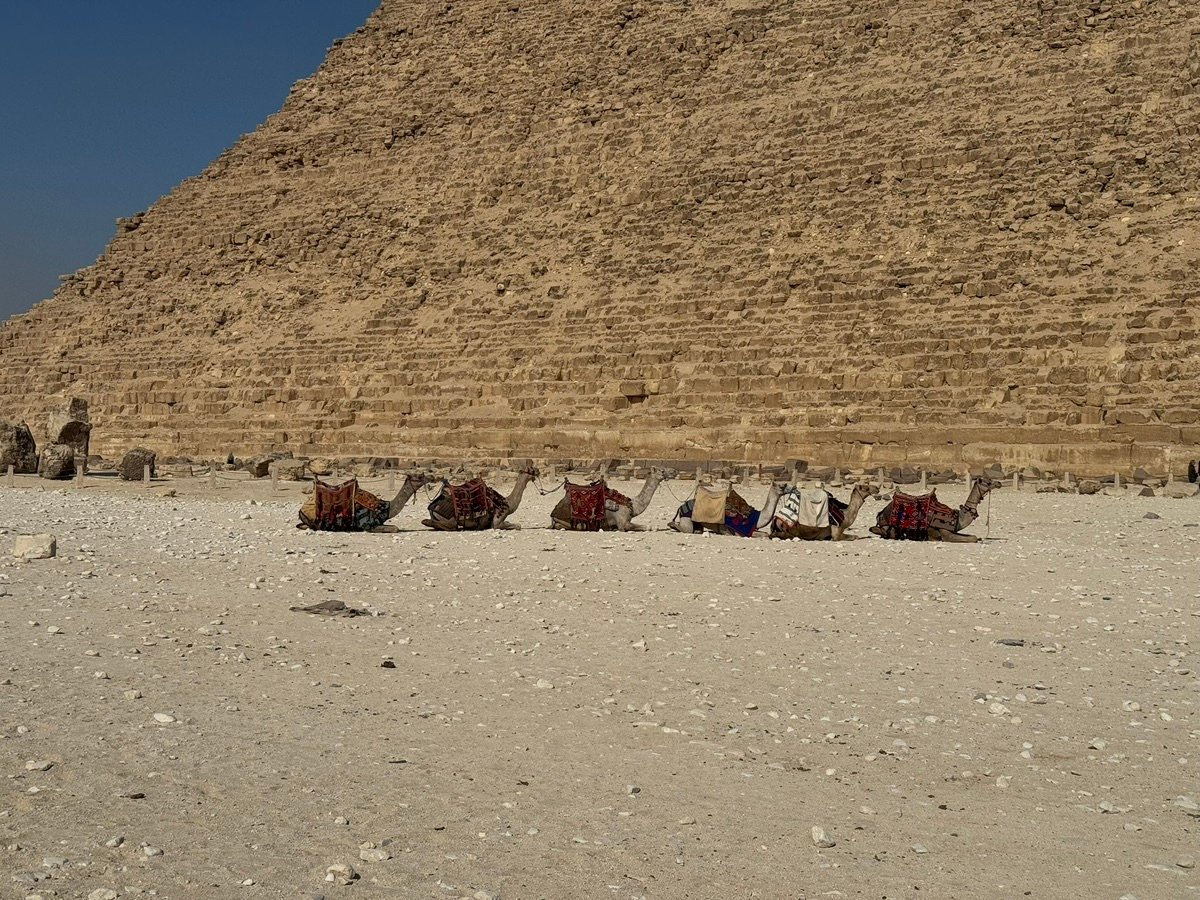
Near the pyramids, there are always plenty of camels waiting for tourists, but on this day, several were just lying down right in front of the pyramid, taking a break. Seeing these camels with their colorful decorations resting in the desert felt so quintessentially Egyptian and made for a great photo. Watching them calmly rest, it felt really peaceful. It was a perfect photo opportunity.
Early morning or before sunset is the way to go
If you’re visiting the Giza Pyramids, early morning or just before sunset is definitely the best time. The midday sun can be intense, especially in summer, risking heatstroke. In the early morning, there are fewer people, and you might even get moments where you have the pyramid almost to yourself. Before sunset, the pyramids are bathed in a magical golden light, making for incredible photos. Pro-tip: try to arrive 10 minutes before opening time to queue for tickets and get in smoothly.
Climate & Best Season
Giza, Egypt, has a desert climate, so it’s dry throughout the year. Summer (June-August) often sees temperatures exceeding 35°C, with scorching heat during the day, so be prepared. Winter (December-February) is pleasant during the day, around 20°C, but evenings can get chilly, so a light jacket is a good idea. The best time to visit for sightseeing is during spring (March-May) or autumn (September-November). The temperatures are mild and the sunshine is comfortable, perfect for exploring the pyramids.
Traveler’s Memo
Access
From downtown Cairo, you can reach the Giza Pyramids by taxi or ride-sharing apps (Uber or Careem) in about 30 minutes to 1 hour. It’s located in the Giza district, so just tell your driver “Giza Pyramids”. There are several entrance gates, and some are closer to the Pyramid of Menkaure, so it’s good to check a map beforehand.
Budget
The entrance fee to the Giza Pyramids area is about 360 EGP (Egyptian Pounds, approximately $12 USD) for adults. If you want to go inside the Pyramid of Menkaure, there might be an additional fee of about 100 EGP (approximately $3-4 USD). Camel or horse carriage rides are negotiable, but usually range from 200-500 EGP. Haggling is a must!
Recommended Gourmet
While there are many tourist-oriented restaurants around the Giza Pyramids, venture a bit further, and you’ll find delicious local food. Definitely try “Koshary,” Egypt’s national dish, and fluffy “Ta’ameya” (Egyptian falafel). Mint tea is also perfect for a break.
Nearby Spots
- Pyramid of Khufu (Great Pyramid of Giza): The largest pyramid in Giza. Its sheer size and perfect form are a must-see. Entry inside requires an extra ticket.
- Pyramid of Khafre: This pyramid retains some of its original casing stone at the very top, making it look incredibly beautiful. From a distance, it sometimes appears to be the tallest.
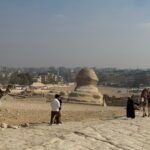
- Great Sphinx of Giza: The iconic symbol of Giza. It’s located very close to the Pyramid of Khafre, and a photo with the pyramid in the background is a must.
FAQ
Can you go inside the Pyramid of Menkaure?
Yes, it is possible. However, an additional ticket for internal access is required, separate from the general entrance fee to the Giza Pyramids area.
Are camel rides safe?
Generally, they are safe, but it’s important to negotiate prices and check the camel’s condition before riding. It’s often safer to arrange rides through a reputable tour guide.
How much time should I allocate for the Giza Pyramids area?
To comfortably see all the pyramids and the Sphinx, you should allocate at least 3 to 4 hours.
Is there a dress code for visiting the Giza Pyramids?
There isn’t a specific dress code, but with strong sun exposure, it’s recommended to wear a hat, sunglasses, comfortable walking shoes, and modest clothing.