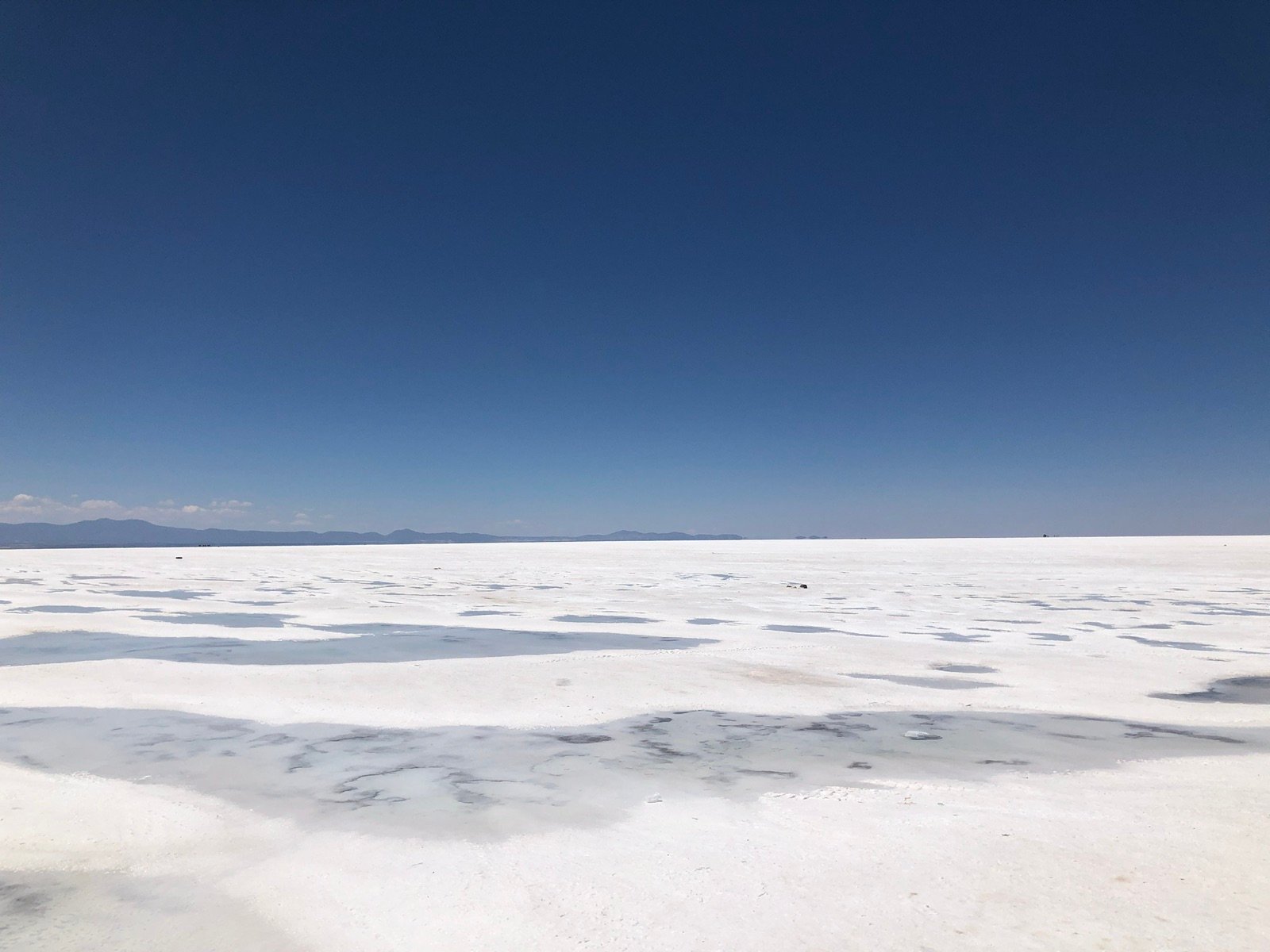
The first thing that hits you when you step onto the Salar de Uyuni in Bolivia is just how immense it is. It’s like walking onto another planet, a vast white ocean stretching out to a distant horizon where the sky blends seamlessly into the land. You almost don’t believe your eyes.
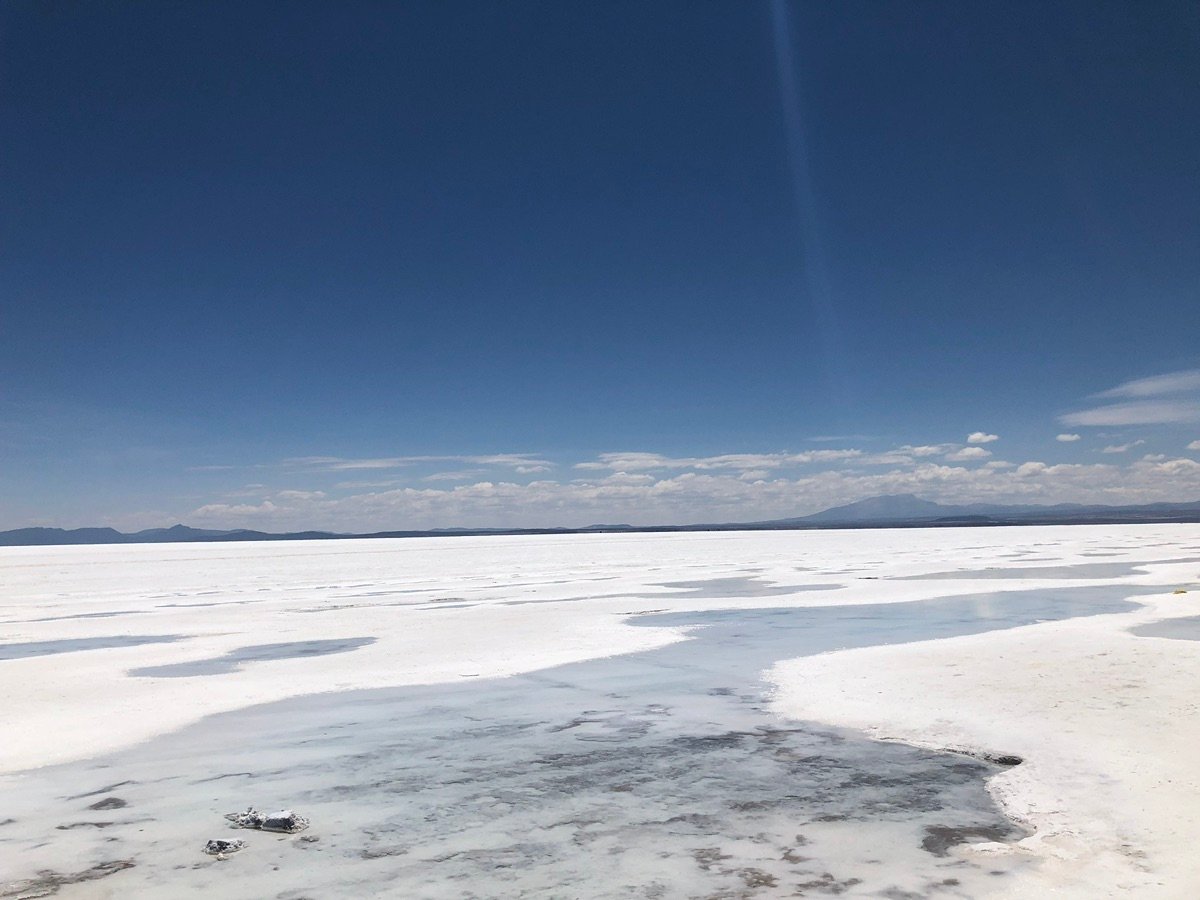
It’s actually a giant ancient lake bed
What you see now as the world’s largest salt flat, the Salar de Uyuni, was once part of a massive prehistoric lake called Lake Minchin. Over thousands of years, the lake dried up, leaving behind an incredible crust of salt that’s now thicker than a house in some places. It’s not just salt though; it’s also a major source of lithium, which makes it super important globally.
Knowing its history makes standing there even wilder. You’re walking on what used to be the bottom of an enormous lake, surrounded by mountains that were once its shores. It’s a powerful feeling to think about how much the landscape has changed over time.
The silence out here is almost unreal
One of the most striking things about the Salar is the quiet. Once you’re away from the jeeps, the only sound is usually the wind. The vast, flat expanse creates this incredible sense of isolation and peace. It’s the kind of place where you can truly clear your head and just absorb the sheer scale of nature. The bright white salt under the intense blue sky is almost blinding, so sunglasses are a must.
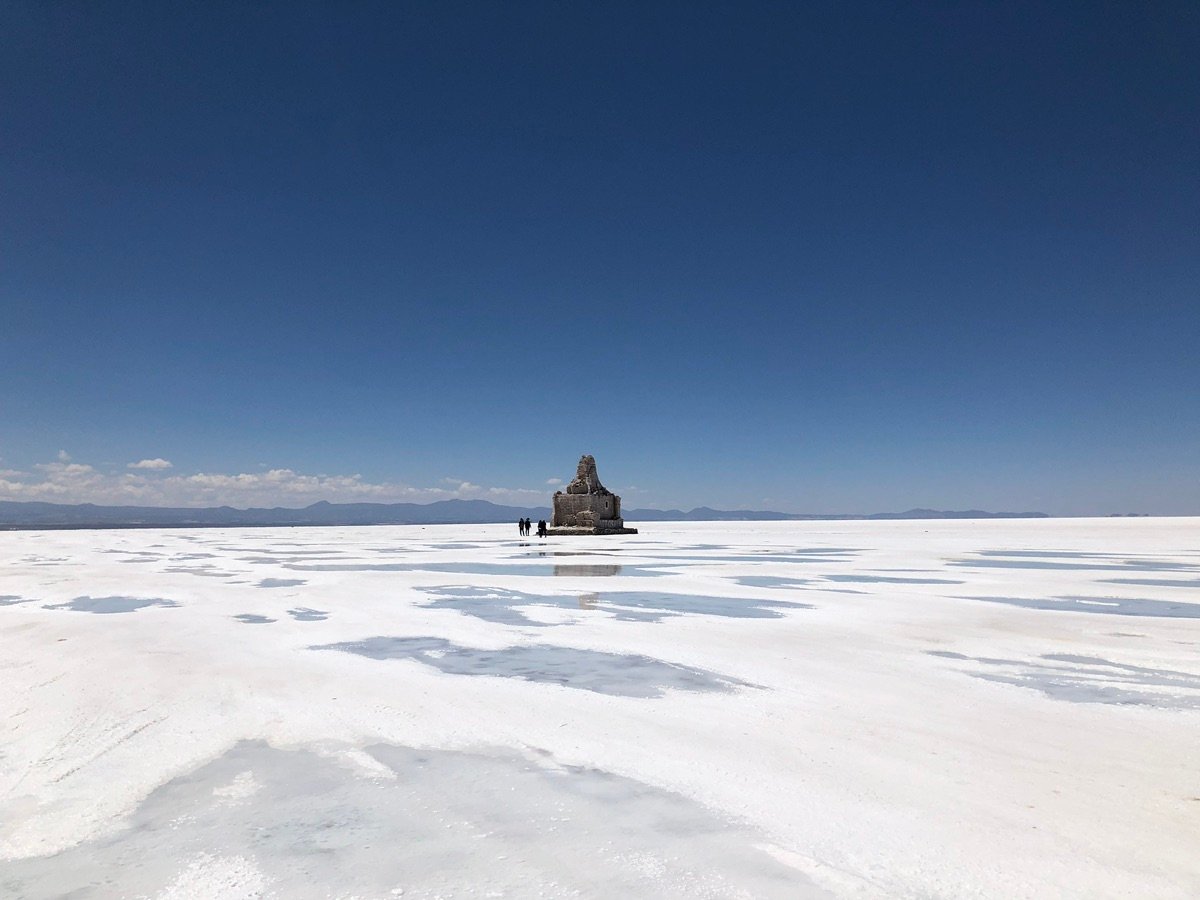
Then there are the reflections. Especially after some rain, the thin layer of water transforms the Salar into the world’s largest natural mirror. The sky merges with the ground, and it’s impossible to tell where one ends and the other begins. It’s really disorienting in the best way possible, perfect for those famous perspective photos.
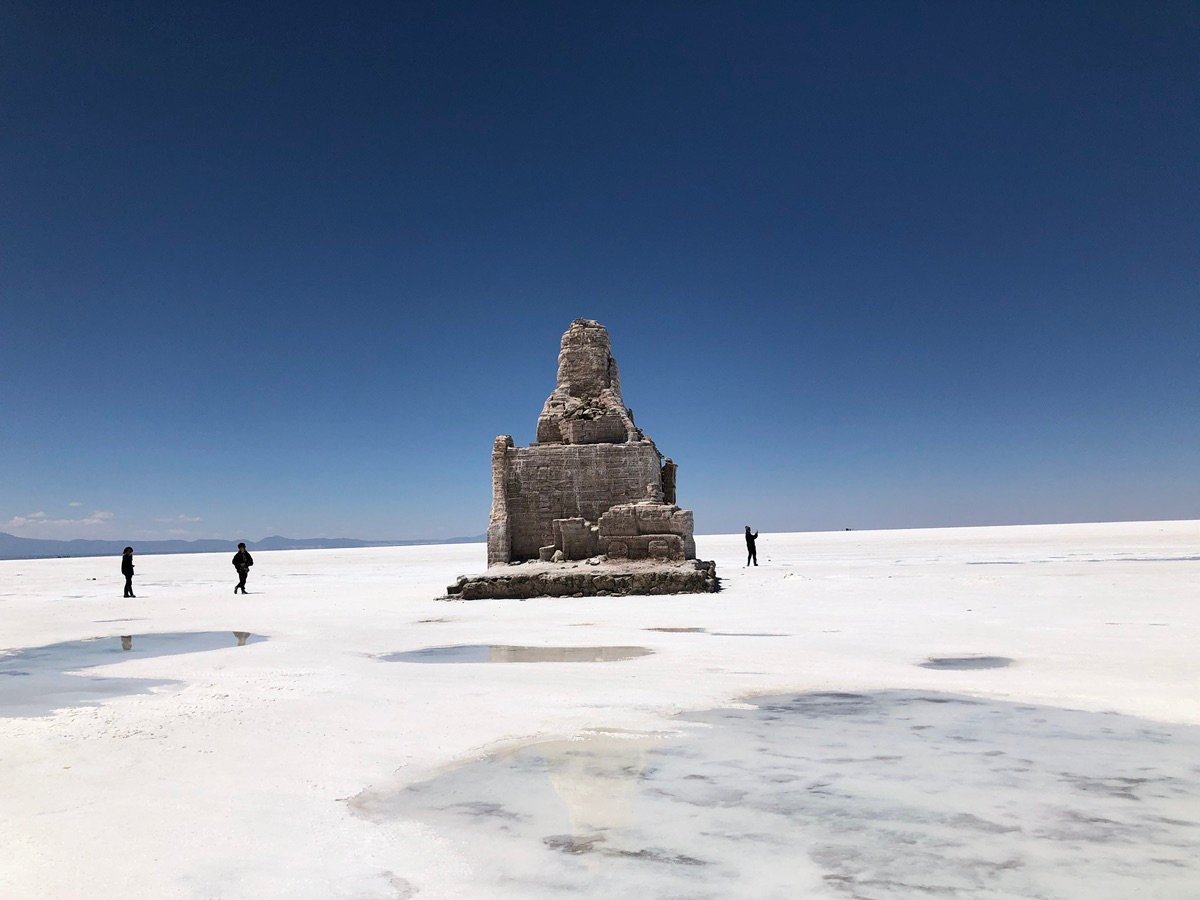
The optical illusions are so much fun to play with
Because the Salar is so incredibly flat and vast, your brain struggles with perspective. This is why it’s famous for those hilarious forced-perspective photos where people appear to be stepping on giants or holding tiny cars. Your guide will often have some fun props and ideas, but just bringing your own makes it even better. It’s a guaranteed laugh and some truly unique travel pictures.
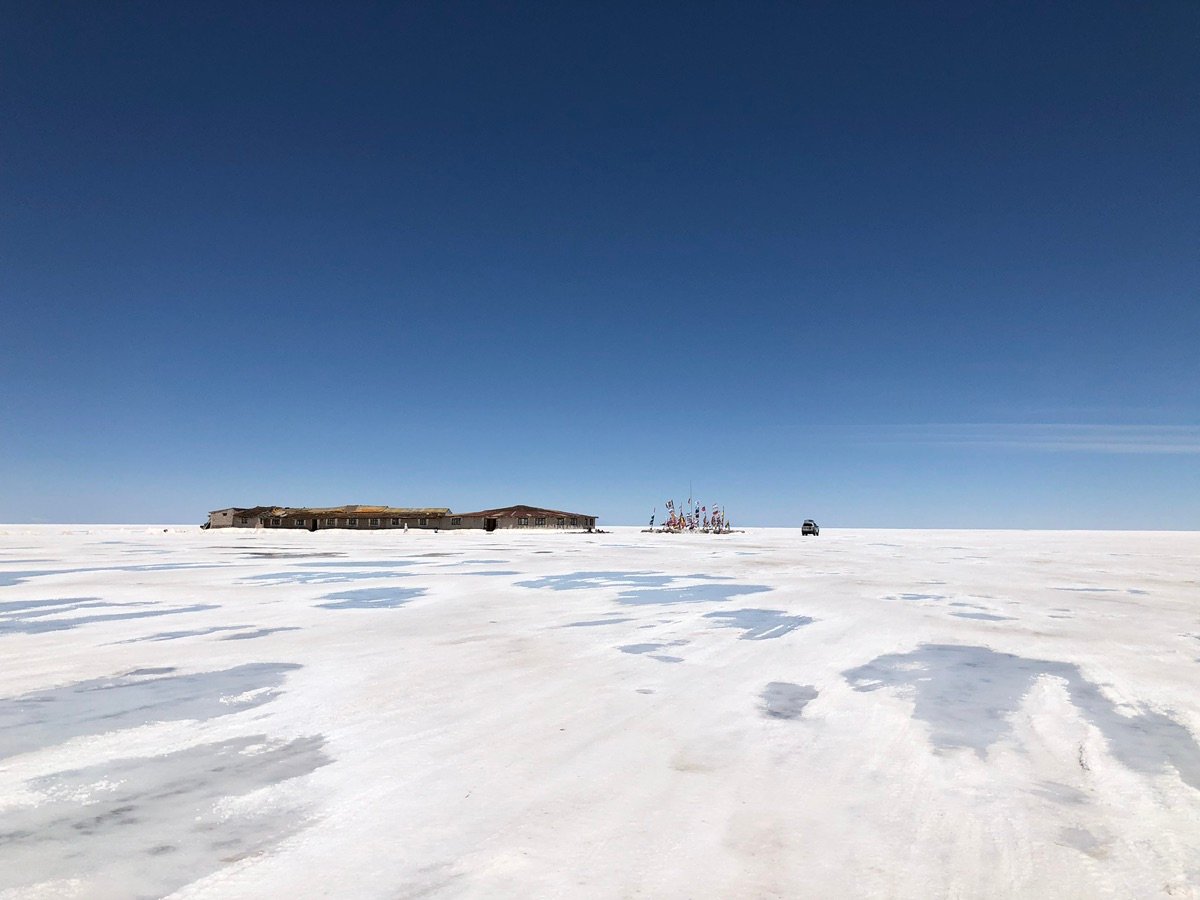
Watching the sunset and sunrise from here is a wild experience
If you’re on a multi-day tour, catching a sunrise or sunset over the Salar is something else. The sky explodes with colors, and because the horizon is so flat, the light seems to stretch forever. If there’s water on the flats, the reflections double the spectacle. It’s one of those moments that really sticks with you, feeling tiny under such a huge, vibrant sky.
Best Timing
The best time to visit Salar de Uyuni really depends on what you want to see. For the iconic “mirror effect” reflections, you need to go during the rainy season, which runs from December to April. The downside is that some parts might be inaccessible due to too much water, and bad weather can occasionally affect tours. For dry, clear skies and easier access to all areas, aim for the dry season from May to November. You won’t get the huge mirror, but the vastness and optical illusions are still incredible.
Pro-tip: Try to schedule your visit around the new moon during the wet season if possible. The dark nights enhance the star reflections, creating an even more surreal experience!
Climate & Best Season
The Salar de Uyuni is a high-altitude desert, located at about 3,656 meters (11,995 feet) above sea level. This means the climate can be quite extreme. During the summer (wet season, December-April), daytime temperatures average around 15°C (59°F) but can drop significantly at night. There are frequent, heavy afternoon rains which create the reflective pools. Winter (dry season, May-November) is characterized by clear skies but much colder temperatures, especially at night, often dropping below freezing. Daytime can be sunny but chilly, around 10°C (50°F).
The best season to visit depends on your preference. For the mirror effect, visit during the wet season (January to March often has the best water levels). For overall accessibility and clearer weather for multi-day tours into the surrounding desert, the dry season (June to August) is popular, though it’s the coldest time. Always bring layers, sunglasses, sunscreen, and a good hat.
Traveler’s Memo
Access
Most tours to Salar de Uyuni depart from the town of Uyuni, Bolivia. You can reach Uyuni by overnight bus from La Paz or by flight from La Paz or Santa Cruz. Tours typically last 1, 2, or 3 days, with the 3-day tour often extending into the Eduardo Avaroa Andean Fauna National Reserve, offering incredible scenery beyond just the salt flats.
Budget
A 3-day tour usually costs around $150-$200 USD per person, but this can vary greatly depending on the tour operator, group size, and inclusions (some don’t include park entry fees or hot springs fees). Shorter 1-day tours are cheaper, around $30-$50 USD. Remember to factor in personal expenses like snacks, tips, and souvenirs. Always confirm what’s included before booking.
Recommended Gourmet
Food on the Salar de Uyuni tours is generally simple and hearty, often picnic-style lunches on the flats and basic dinners at lodges (especially on multi-day tours). Expect staples like chicken, rice, vegetables, and soups. In Uyuni town, you’ll find more options, including local Bolivian dishes like salteñas (savory pastries) and llama meat. Don’t expect haute cuisine, but it’s usually filling and gets the job done after a day of exploring.
Nearby Spots
- Colchani: A small village on the edge of the Salar where locals harvest and process salt. You can see salt handicraft markets here.
- Incahuasi Island (Isla Incahuasi): A rocky outcrop in the middle of the salt flats, covered in giant cacti, offering panoramic views. It’s often included in longer tours.
- Eduardo Avaroa Andean Fauna National Reserve: South of the Salar, this reserve features stunning colored lagoons (Laguna Colorada, Laguna Verde), geysers, and unique wildlife like flamingos. It’s a highlight of the 3-day tours.
FAQ
Is it safe to visit Salar de Uyuni?
Generally, yes, but choosing a reputable tour operator is crucial for safety. Ensure your vehicle is well-maintained and your guide is experienced, especially when driving on the vast, sometimes wet, salt flats.
What should I wear and bring for a Salar de Uyuni tour?
Layers of warm clothing, a windproof and waterproof jacket, sturdy shoes, sunglasses (essential for the glare), high SPF sunscreen, a wide-brimmed hat, lip balm, and plenty of water are highly recommended.
Will I experience altitude sickness?
Uyuni and the salt flats are at high altitude, so it’s possible. Acclimatize in La Paz for a day or two before heading to Uyuni, stay hydrated, avoid alcohol, and consult a doctor about medication if you are concerned.
Can I visit Salar de Uyuni on my own?
It is strongly advised against. The Salar is vast, featureless, and there are no marked roads. Getting lost is a serious risk, and vehicles can easily get stuck. Always go with an experienced tour guide.