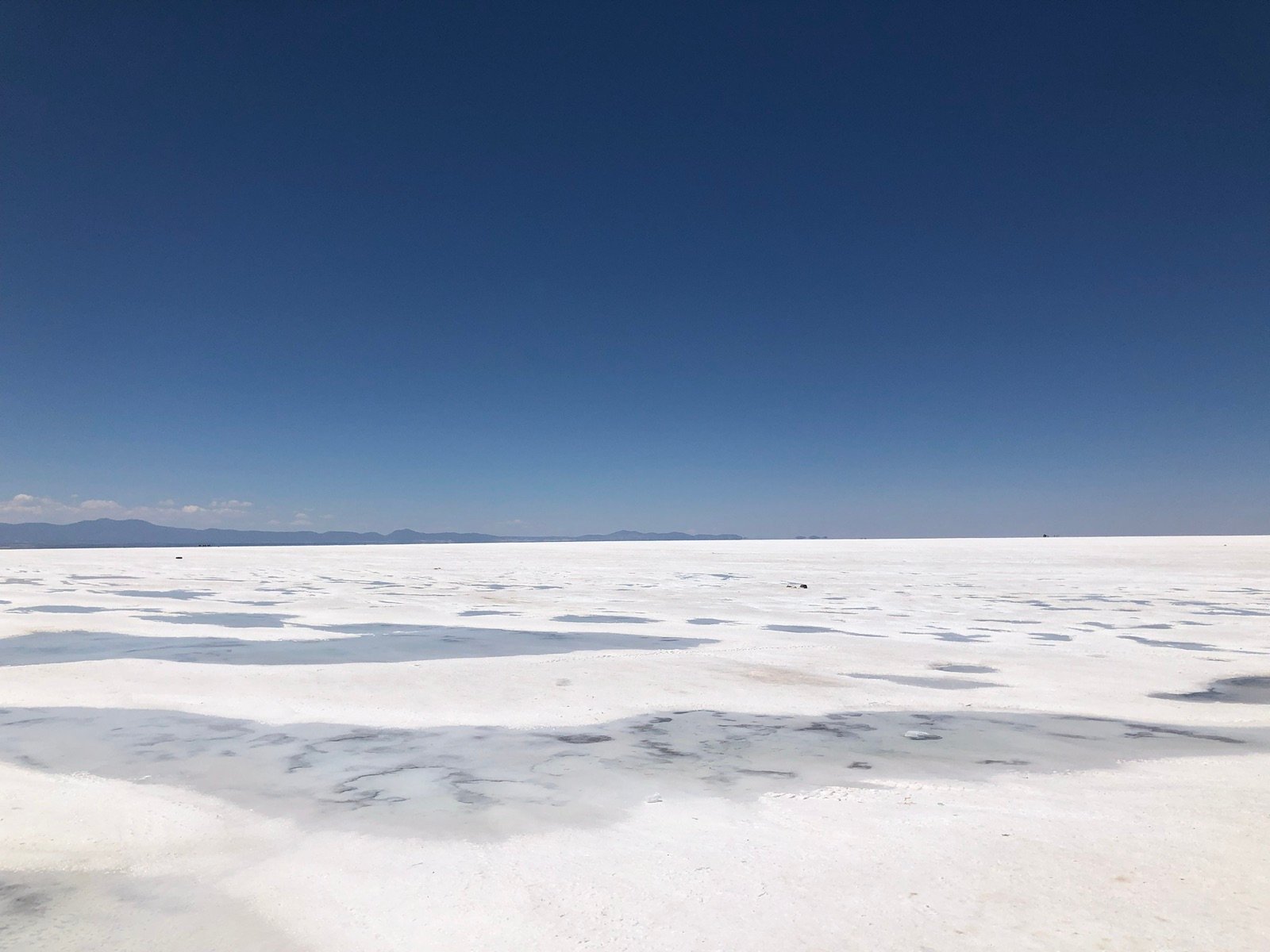
You know that feeling when you see a landscape so unreal it makes you question everything? That’s exactly what hitting the Salar de Uyuni in Bolivia feels like. This place isn’t just a destination; it’s an experience that puts you right inside a giant mirror, reflecting the vast blue sky. It’s truly like walking on clouds.
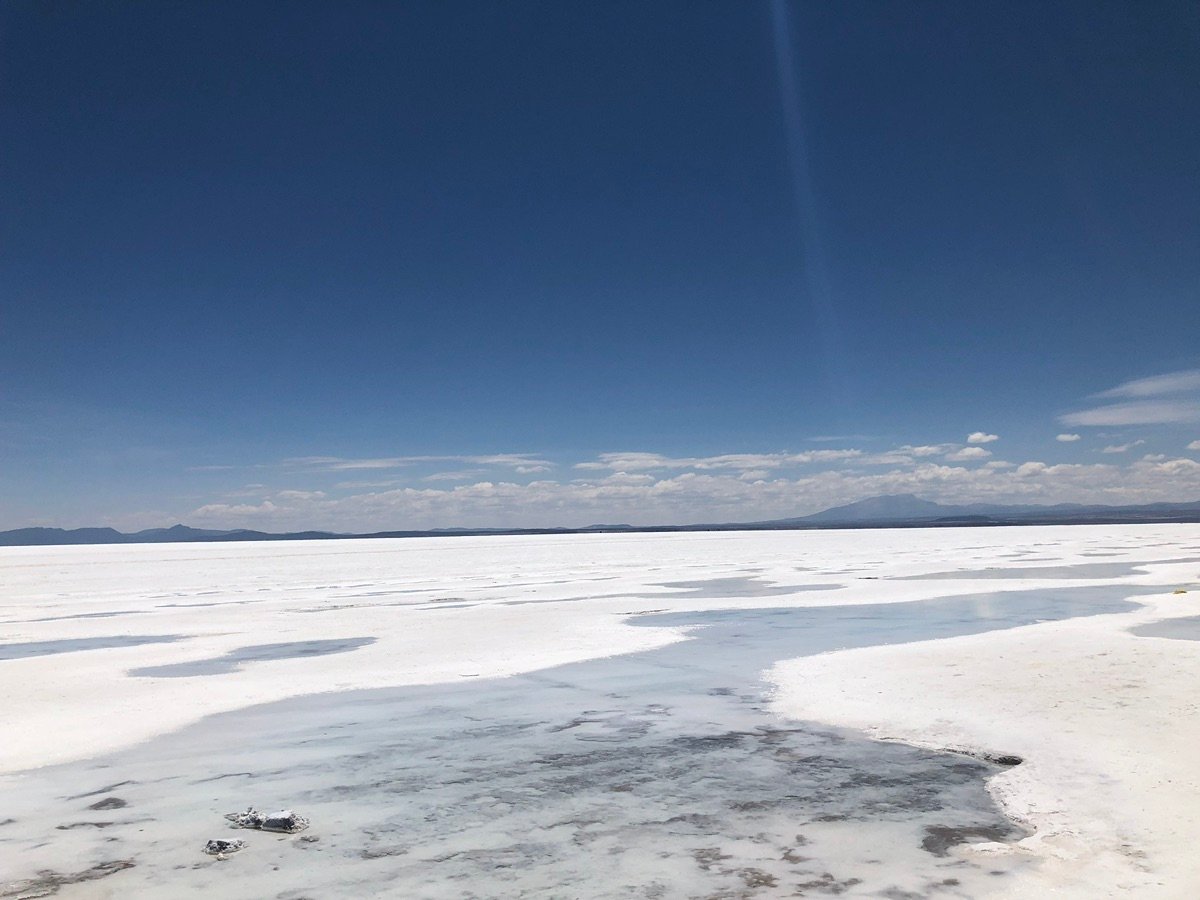
How a Prehistoric Lake Became Earth’s Largest Mirror
Imagine a giant prehistoric lake, bigger than some countries, slowly drying up over thousands of years. What’s left? The Salar de Uyuni, the world’s largest salt flat, covering over 10,000 square kilometers. Underneath this dazzling white expanse lies a massive reserve of lithium, but above ground, it’s pure magic. The sheer scale makes you feel incredibly small, and understanding its ancient history really changes how you see the ground beneath your feet. It’s a geological marvel that also happens to be one of the most Instagrammable spots on Earth.
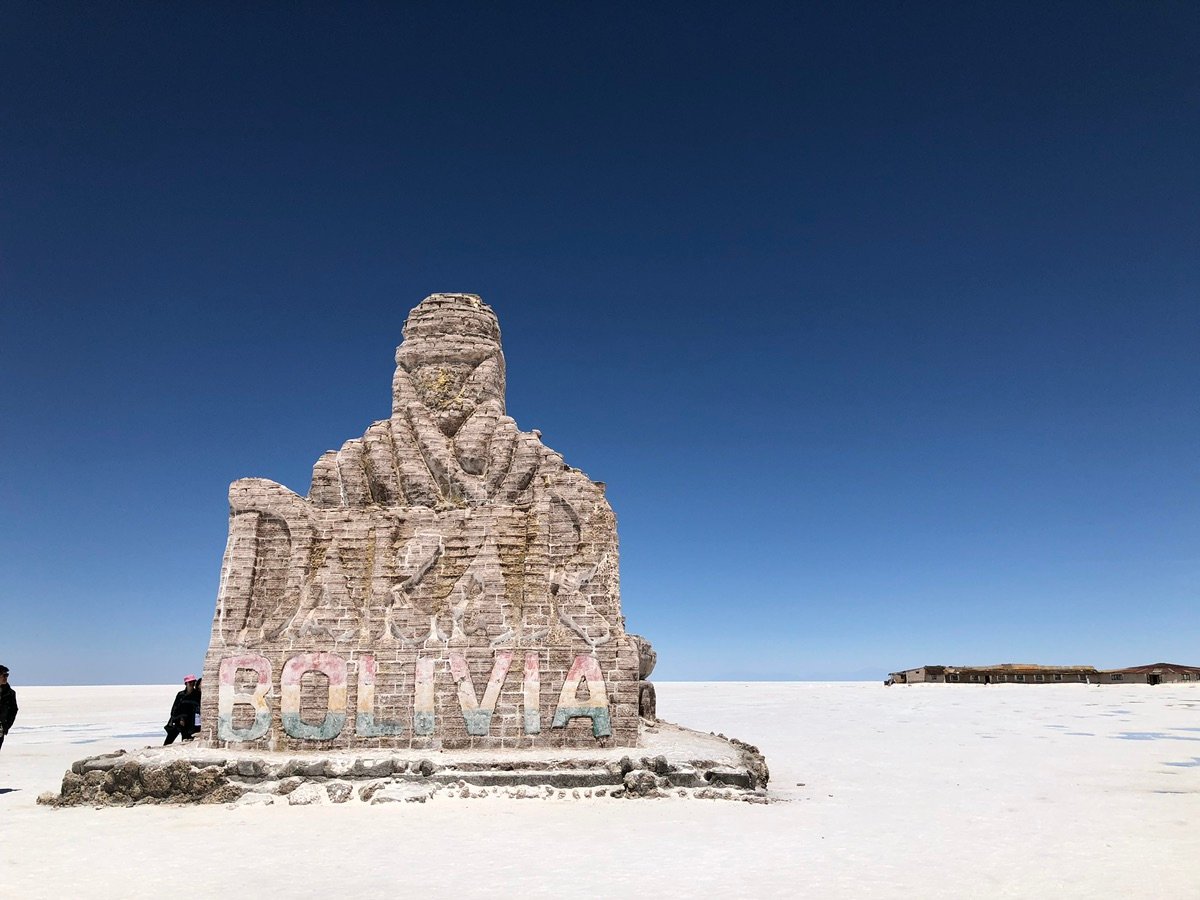
The Silent Immensity That Stretches Forever
The first thing that hits you at the Salar isn’t a sound, but the silence. It’s so quiet, you can almost hear your own thoughts echoing. Then there’s the light: incredibly bright, bouncing off the white salt. During the wet season, when a thin layer of water covers the surface, the whole place becomes a giant mirror, blending the sky and land into one surreal canvas. You can get lost in the optical illusions and the sheer sense of being in an infinite space. It’s a very humbling feeling.
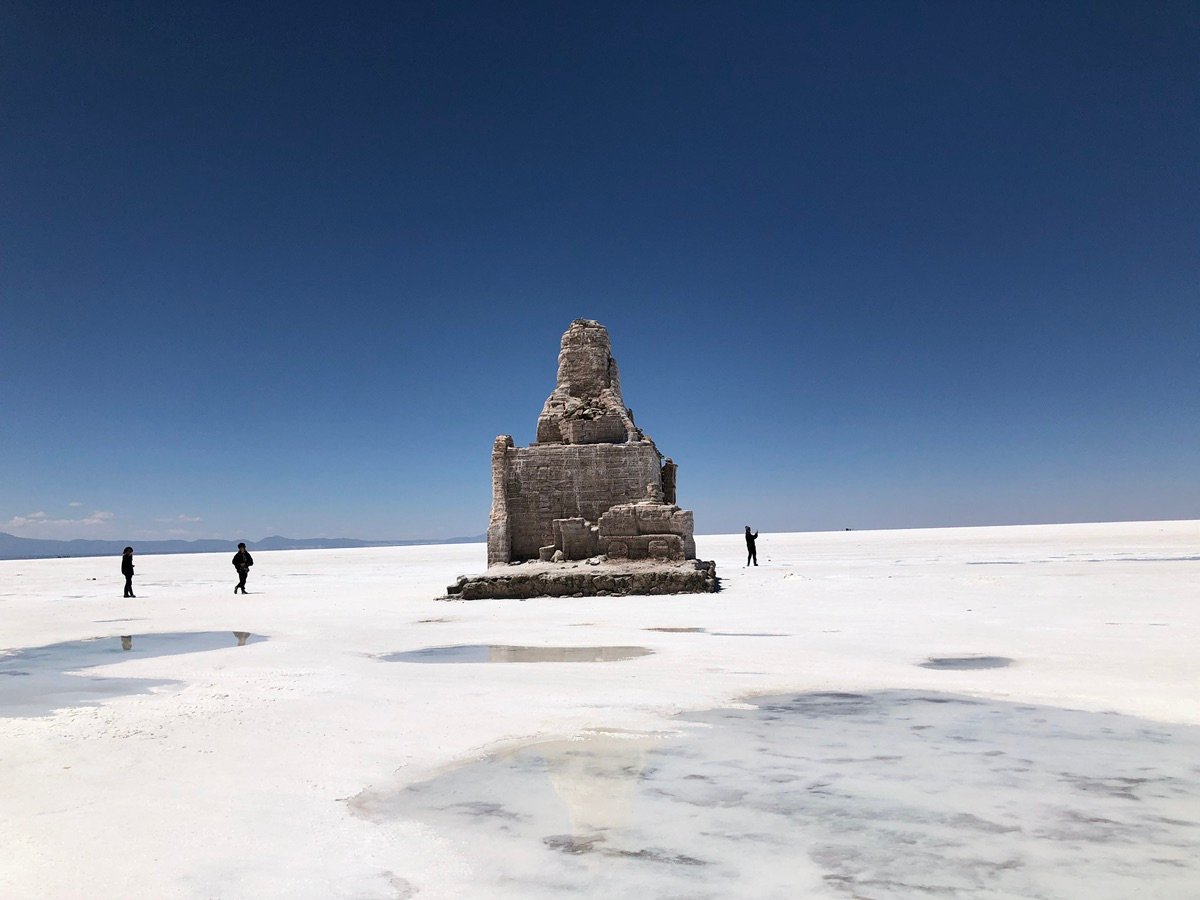
Picking Your Perfect Salar Moment: Wet or Dry?
Deciding when to visit the Salar depends on what you want to see. For those incredible ‘mirror effect’ photos, you’ll need to go during the wet season, which is roughly December to April. The catch is that some areas might be inaccessible due to deeper water. If you prefer seeing the vast hexagonal salt patterns and want to visit spots like Incahuasi Island, the dry season (May to November) is better. My pro-tip? If you want those perfect reflections, aim for the wet season, but be prepared for potential itinerary changes due to weather. The midday sun can be brutal, so consider sunrise or sunset tours for softer light and amazing colors.
Don’t Miss These Mind-Bending Sights
- The Mirror Effect: During the wet season, a thin layer of water transforms the entire flat into a gigantic mirror, perfectly reflecting the sky. This is where those iconic perspective photos happen.
- Optical Illusions: The sheer flatness and vastness make it perfect for playing with perspective. Bring props and get creative with your photos – tiny cars, giant people, it all works here.
- Sunrise/Sunset Views: Witnessing the sun rise or set over this otherworldly landscape, painting the sky with incredible colors while reflecting on the salt, is an unforgettable experience.
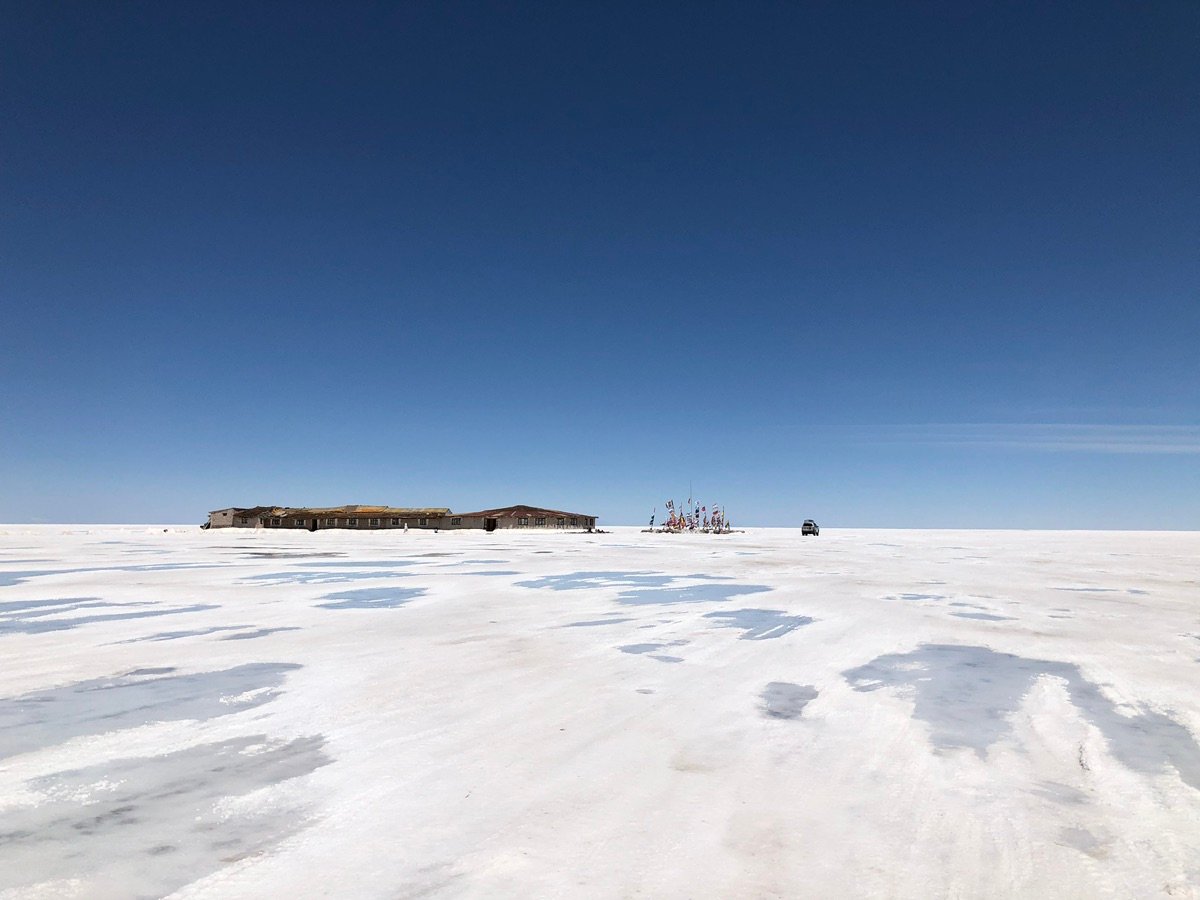
- Salt Hotels: While not the focus of the image, seeing structures built entirely from salt blocks is a unique and bizarre sight worth noting.
Traveler’s Memo
Access
Most trips to the Salar de Uyuni start from the town of Uyuni, Bolivia. You’ll need to book a guided tour, usually a 1-day, 3-day, or 4-day trip, which includes a 4×4 vehicle and a driver-guide. Many travelers arrive in Uyuni by bus from La Paz or train from Villazon.
Budget
A 1-day tour typically costs around 20-40 USD. A multi-day tour (e.g., 3 days/2 nights) can range from 150-250 USD, depending on the operator and comfort level. This usually includes transportation, basic accommodation, and meals. Remember to factor in a small entrance fee for the Incahuasi Island (around 4 USD) and other national park fees if doing a longer tour.
Recommended Gourmet
On multi-day tours, meals are generally provided by the tour operator and are basic but filling, often featuring local staples like quinoa, chicken, and vegetables. In Uyuni town, you can find simple restaurants serving traditional Bolivian food. Don’t expect gourmet dining on the salt flats themselves; it’s about the adventure!
Nearby Spots
- Laguna Colorada: A stunning red lake, home to thousands of flamingos, often included in multi-day Salar tours.
- Laguna Verde: A beautiful green lake at the foot of the Licancabur volcano, another gem on the longer desert treks.
- Train Cemetery: Just outside Uyuni, a collection of abandoned trains from the 19th century, a quirky photo op before or after your main tour.
FAQ
What is the best time to visit Salar de Uyuni for the mirror effect?
The mirror effect is best seen during the wet season, typically from December to April, when a thin layer of rainwater covers the salt flats.
What essential items should I bring to the Salar de Uyuni?
Bring sunglasses, sunscreen, a wide-brimmed hat, warm layers (even in summer, nights are cold), comfortable walking shoes, plenty of water, and a good camera.
How many days should I spend exploring the Salar de Uyuni?
A 1-day tour covers the main salt flat highlights, but a 3-day/2-night tour offers a more comprehensive experience, including desert landscapes, lagoons, and hot springs.