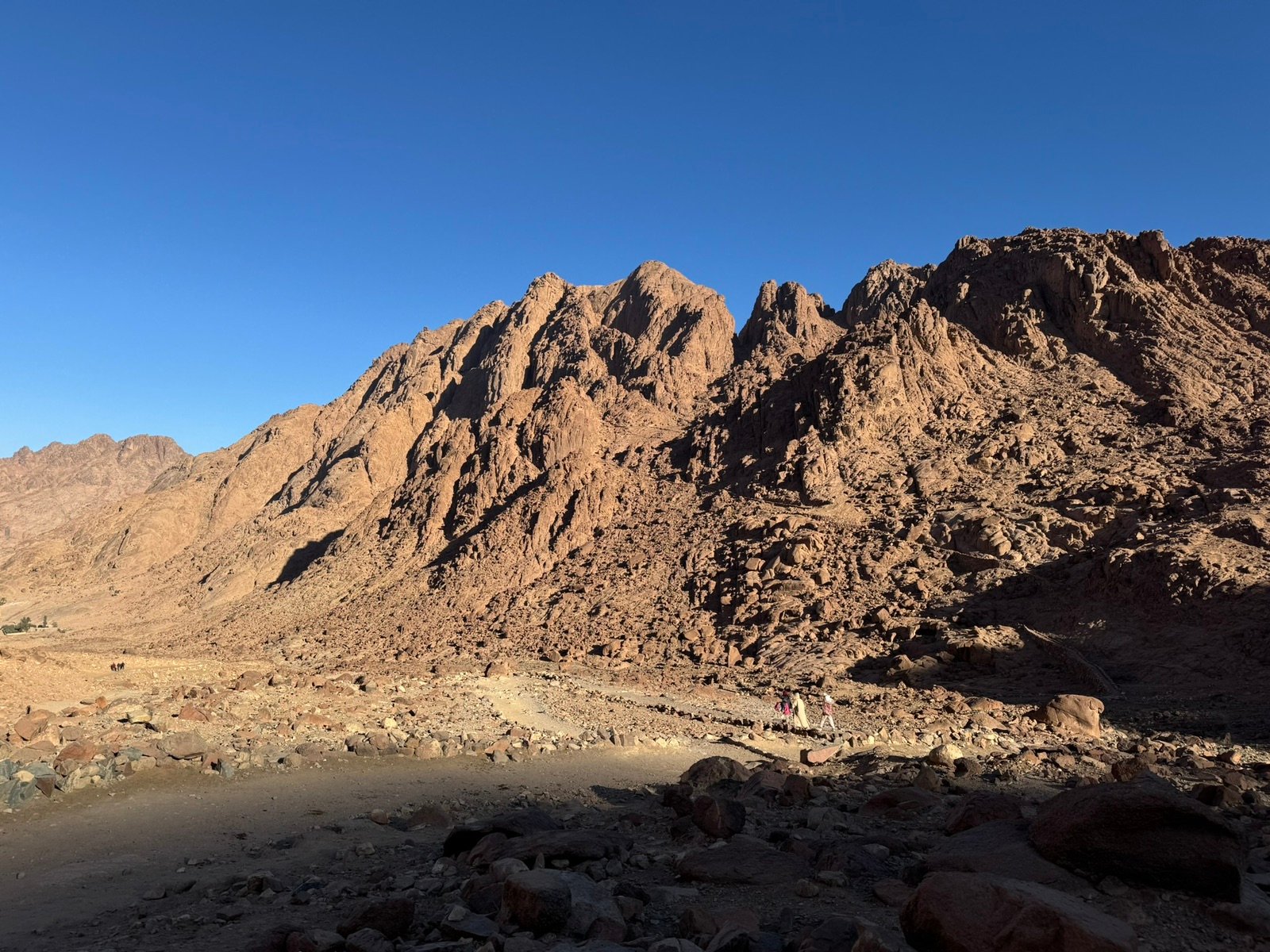
You know those epic desert mountain shots? This is that place. Standing at the base of Mount Sinai in Egypt, the scale of these ancient peaks hits you instantly. It’s not just a mountain; it’s a journey through history, geology, and an incredible natural landscape.
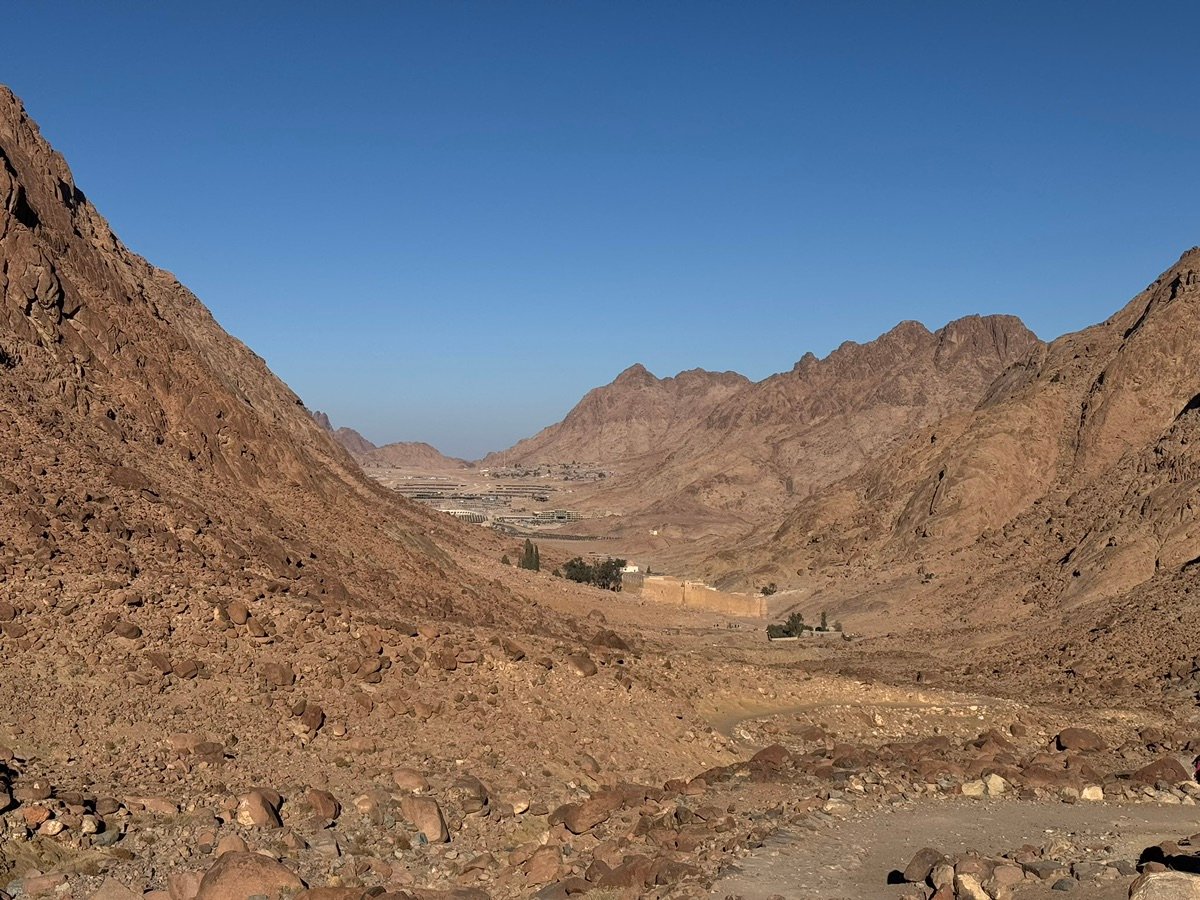
More than just a hike, it’s a journey through history
Mount Sinai holds immense significance in Abrahamic religions. The ascent isn’t merely a physical challenge; it’s a spiritual pilgrimage, following the footsteps of countless generations before you. Walking these ancient paths with a Bedouin guide feels like crossing between the past and the present.
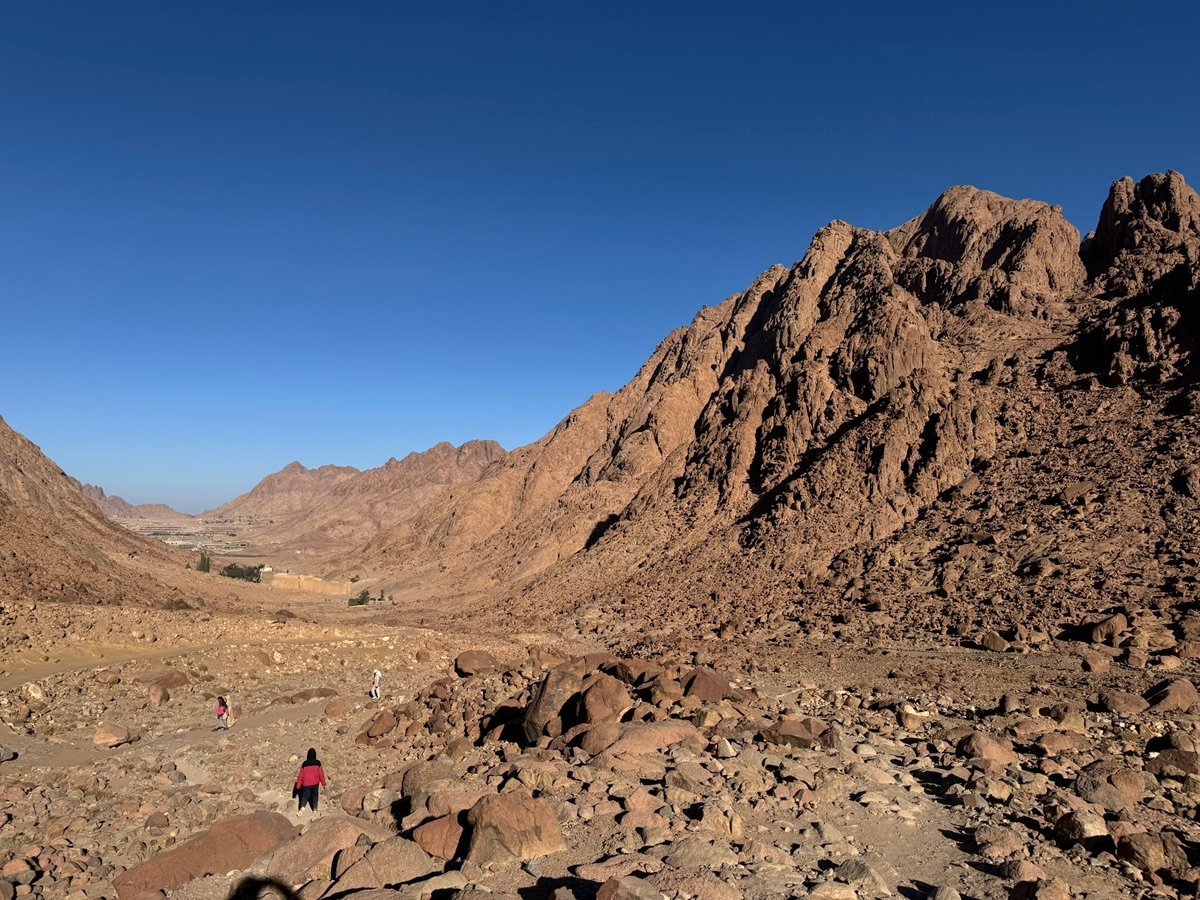
The silence here is something you won’t forget
The profound silence of the vast desert is incredibly calming and allows you to fully appreciate the grandeur of your surroundings. The warmth of the sunrise on the rugged rock faces, the brilliance of the stars at night, and the crisp, clear air contribute to an unforgettable sense of peace, far removed from daily noise.
The way the light hits these rocks is wild
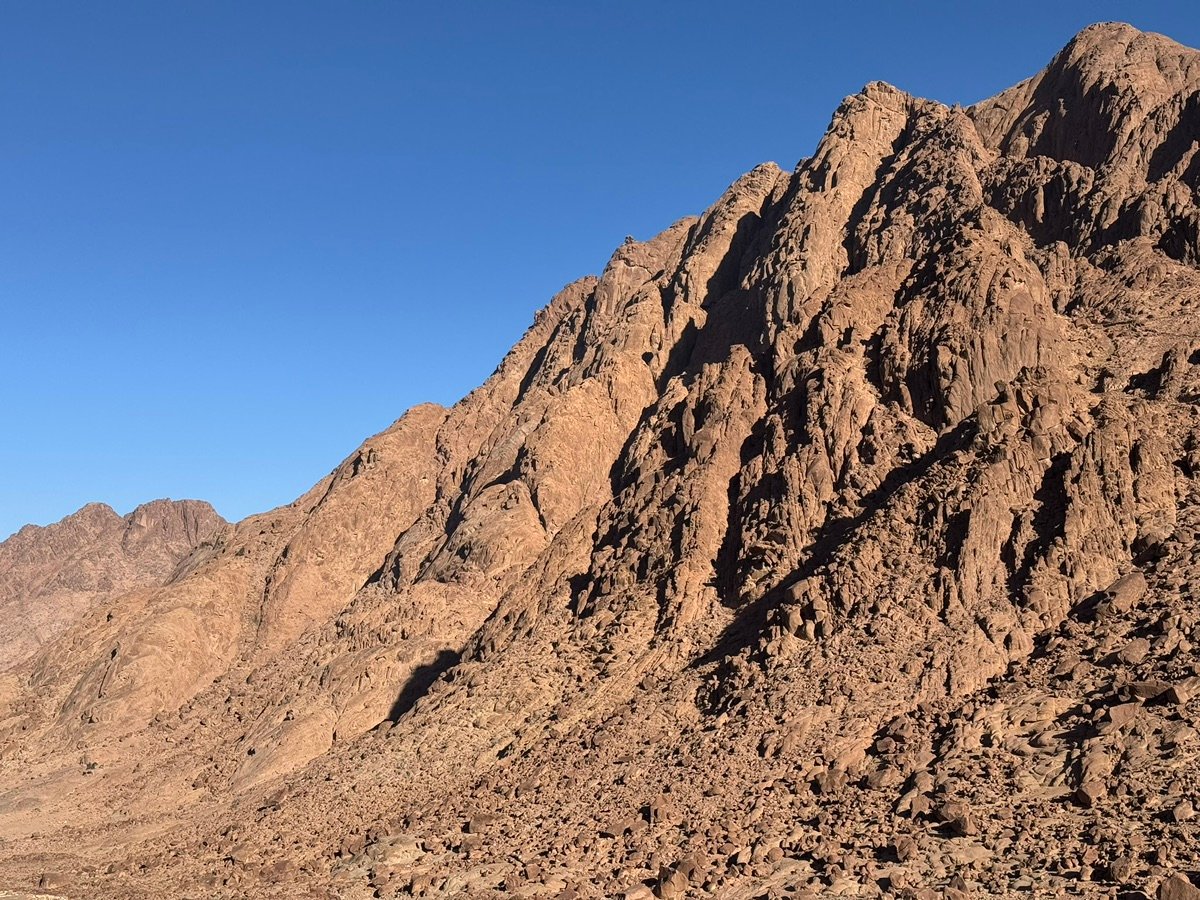
As the soft morning light touches the reddish-brown rock faces, the entire mountain seems to come alive with changing hues. The deep shadows accentuate the rugged contours of the rocks, creating a breathtaking contrast. Don’t miss this special interplay of colors that only happens at certain times of day.
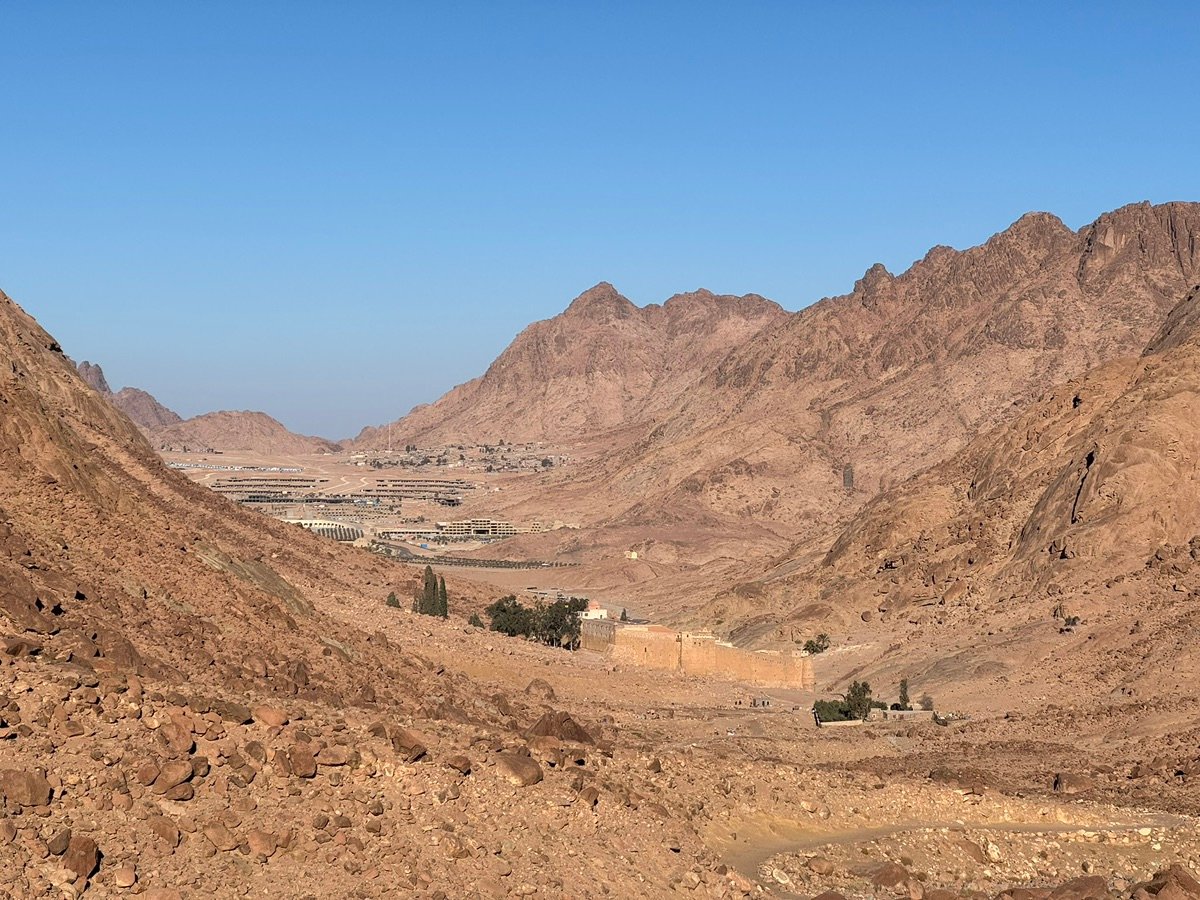
These paths were carved by centuries of footsteps
The ascent path varies, from smoother, sandy stretches to rockier sections, and finally, the infamous ‘Steps of Repentance’ – 3,750 hand-carved steps. These ancient trails, trodden by countless pilgrims, carry the weight of history. Hiking them at night, under a canopy of stars, is an especially profound experience.
Best Timing
The absolute best time to start the ascent is around 2 AM if you want to reach the summit for sunrise. This also helps you avoid the intense daytime heat. If you’re not aiming for sunrise, late afternoon for sunset is another great option, but bring a headlamp for the descent. Pro-tip: Going on a weekday usually means fewer crowds.
Climate & Best Season
The Sinai desert has hot summers and mild winters. From June to August, daytime temperatures can easily exceed 40°C (104°F), making hiking challenging. Winter (December to February) sees daytime averages around 15-20°C (59-68°F), but nights can drop below freezing, especially at higher altitudes. The absolute best months to visit are spring (March-May) and autumn (September-November) when temperatures are comfortable, ranging from 20-30°C (68-86°F), and the weather is generally dry and sunny.
Traveler’s Memo
Access
Most people arrange transport from Sharm el Sheikh or Dahab, which are about a 2-3 hour drive away. You’ll typically be dropped off at St. Catherine’s Monastery, where the trail begins.
Budget
Hiring a local Bedouin guide is mandatory and usually costs around 500-800 EGP (roughly $15-25 USD) per group. If you opt for a camel ride for part of the way, expect to pay extra, around 200-300 EGP for a one-way trip up to the steps.
Recommended Gourmet
At various points along the trail, Bedouin camps offer warm tea, coffee, and simple snacks like biscuits. There are also small shops at the summit selling drinks and basic food. Don’t miss trying the sweet Bedouin tea – it’s a welcome warmth in the cool mountain air.
Nearby Spots
- St. Catherine’s Monastery: A UNESCO World Heritage site at the base of Mount Sinai, one of the oldest working Christian monasteries in the world. Its library contains an invaluable collection of ancient manuscripts.
FAQ
Is Mount Sinai safe for beginners?
Yes, the main routes up Mount Sinai are well-maintained and accessible to beginners with a reasonable fitness level. However, be prepared for cold temperatures at night and a dark trail.
Do I need a guide for Mount Sinai?
Yes, hiring a local Bedouin guide is mandatory for the hike. They are knowledgeable about the routes and ensure your safety.
What should I wear for the Mount Sinai hike?
Layered clothing is highly recommended. You’ll need warm layers, a jacket, hat, and gloves for the cold nights, and sun protection for the daytime.
How long does the Mount Sinai hike take?
The ascent typically takes 3-4 hours, and the descent takes 2-3 hours, so allow 5-7 hours round trip in total.
Are there toilets or facilities on the Mount Sinai trail?
There are several rest stops along the trail with basic toilet facilities and small shops selling drinks and snacks. Don’t expect luxurious facilities, so it’s wise to be prepared.