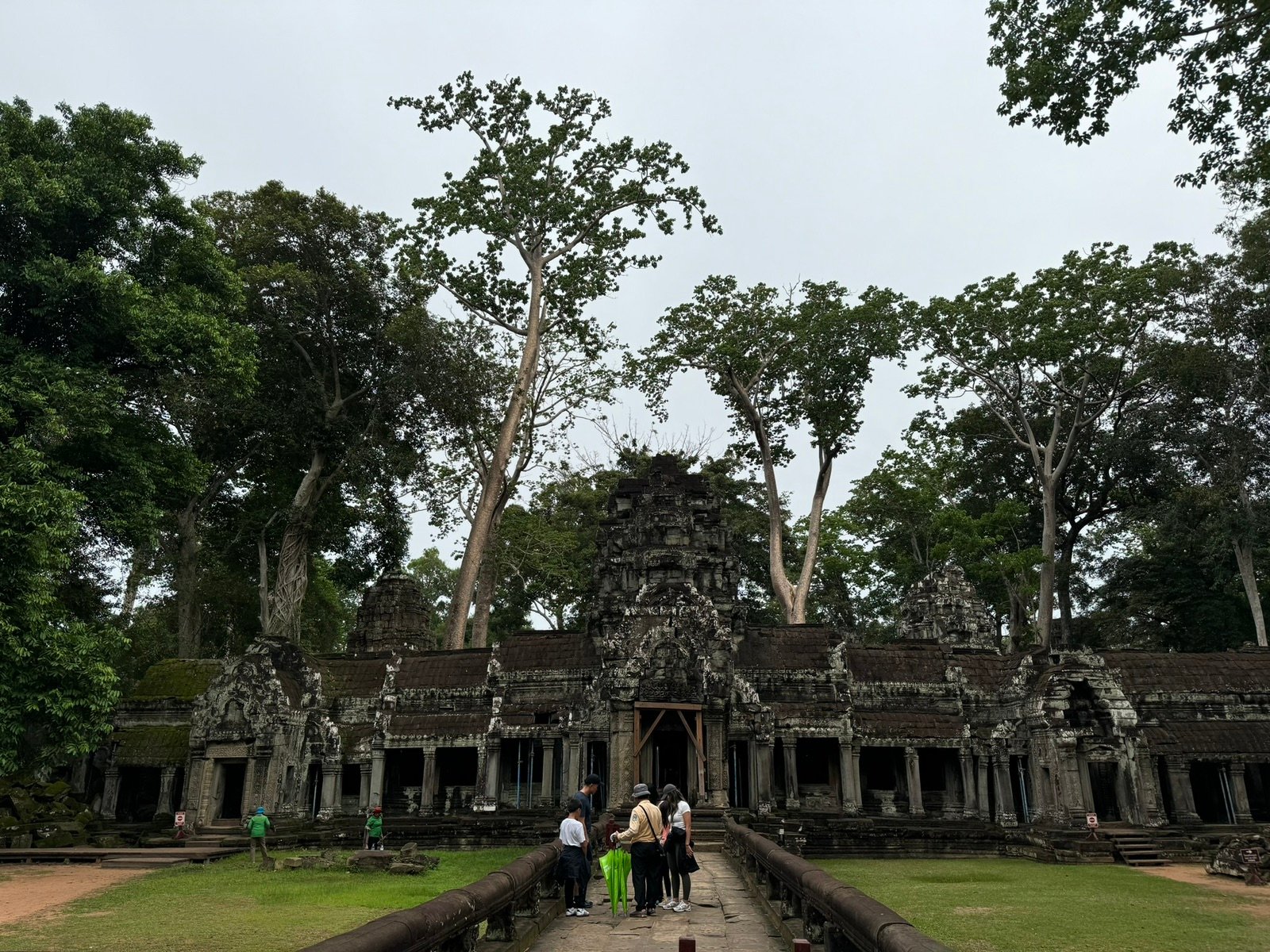
Deep within the Cambodian rainforest, a sight awaits that captivates every visitor: ancient stone temples being slowly, yet powerfully, embraced by gigantic trees that have grown over centuries. This is Ta Prohm, a remarkable part of the famed Angkor archaeological complex, where forgotten stories lie hidden amidst breathtaking fusion of history and nature.
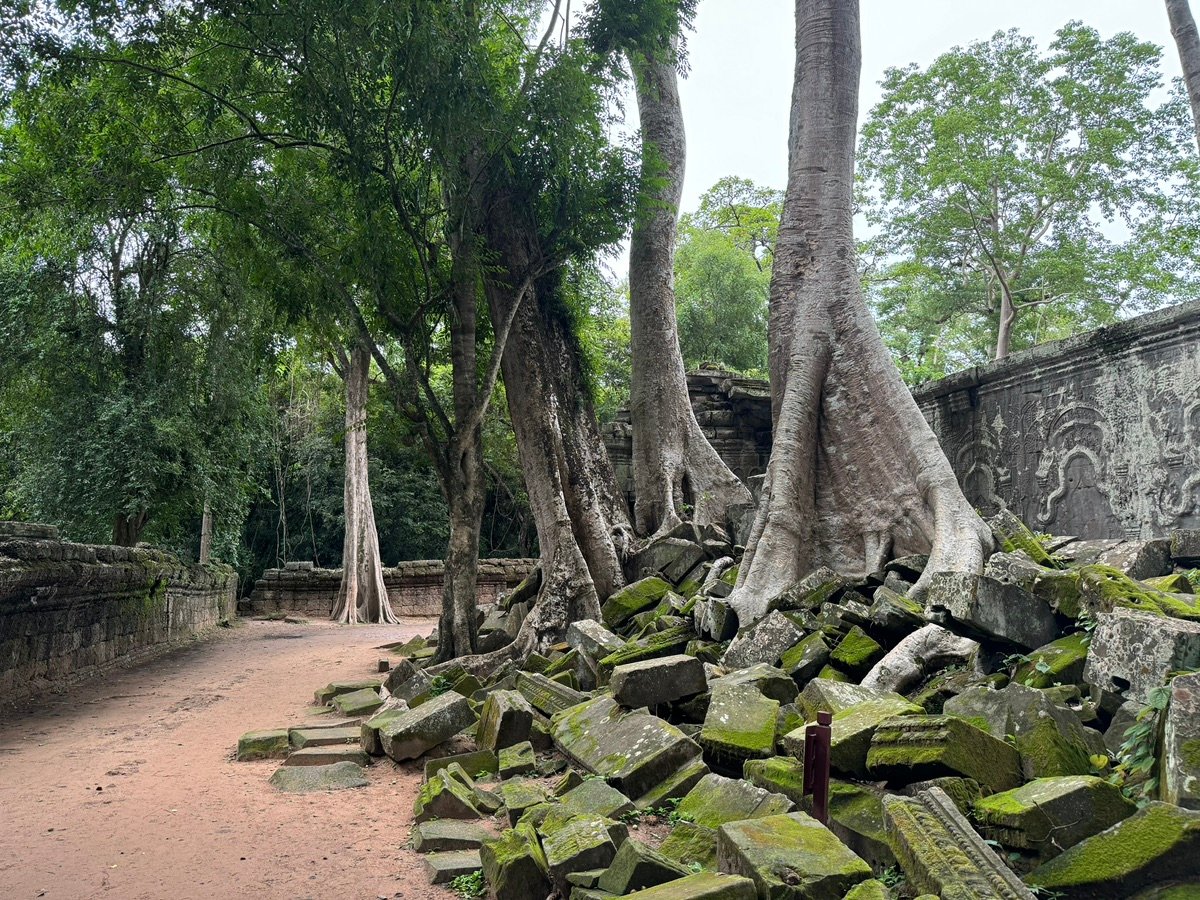
A Jungle Embrace: The Temple’s Enduring Story
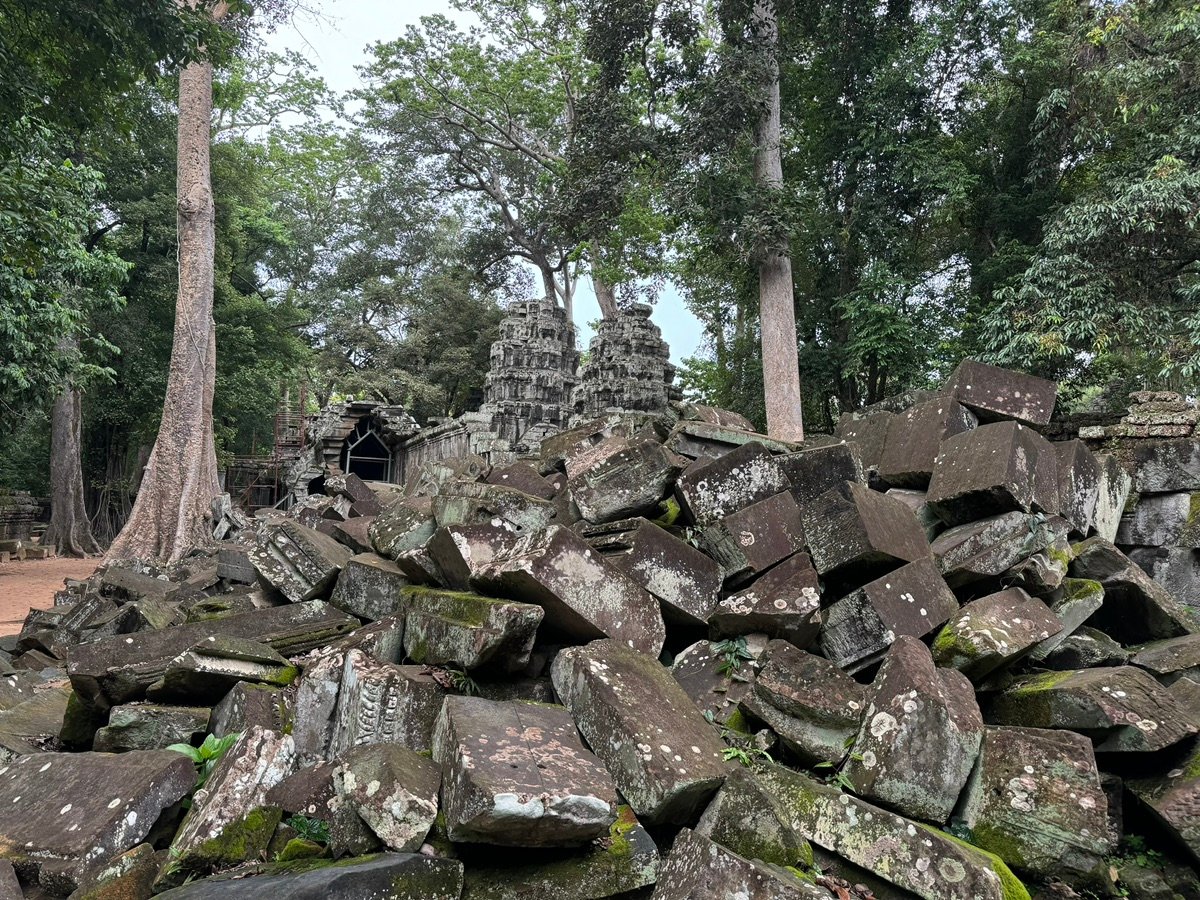
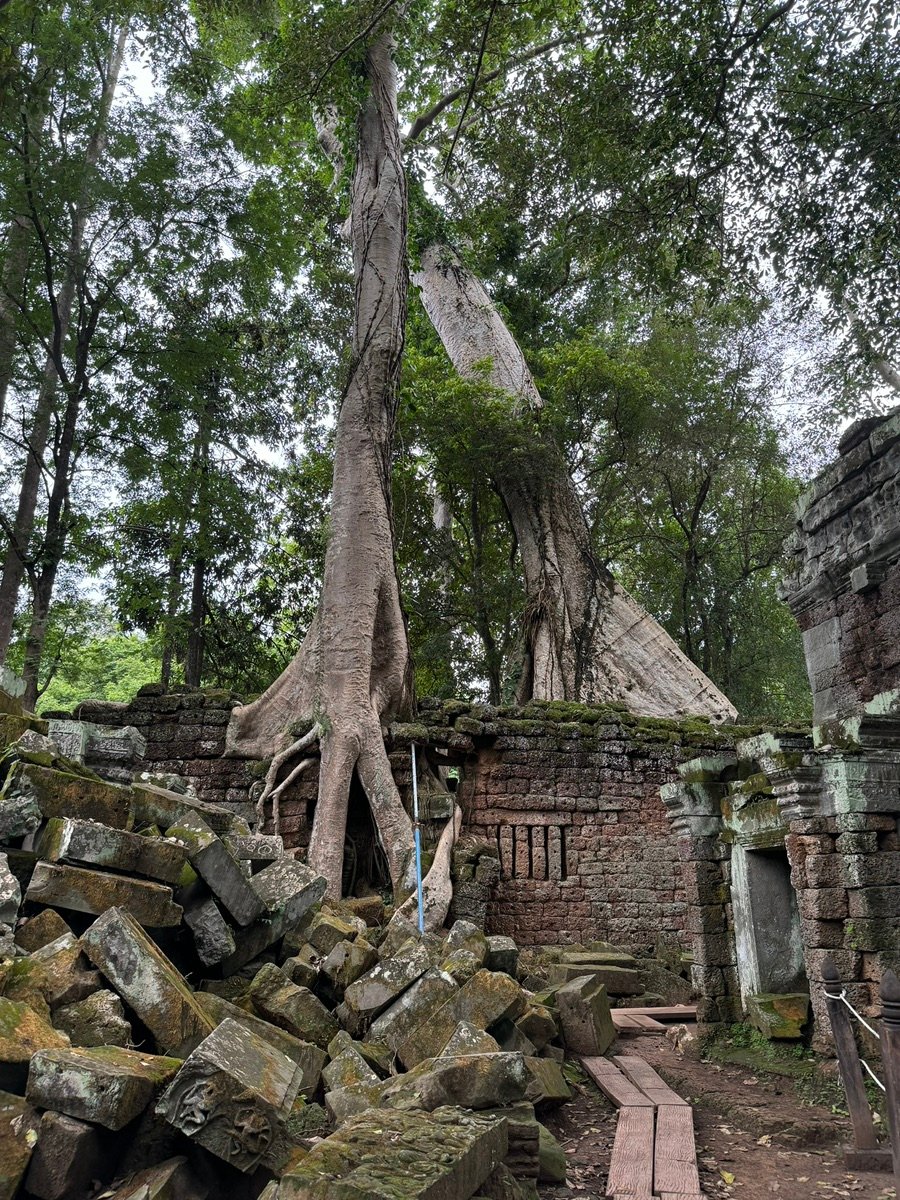
Built in the late 12th century by King Jayavarman VII, Ta Prohm served as a Buddhist monastery and center of learning, dedicated to his mother. With the decline of the Khmer Empire, the temple slowly surrendered to the jungle. The sight we see today – trees bursting through stone walls, their colossal roots clasping the structures – is the result of a deliberate preservation decision. Restorers chose to maintain the temple in the condition it was found, preserving its “jungle atmosphere.” This unique symbiosis is what sets Ta Prohm apart from many other temples in Angkor, giving it its mystical allure, famously featured in Angelina Jolie’s “Tomb Raider” film.
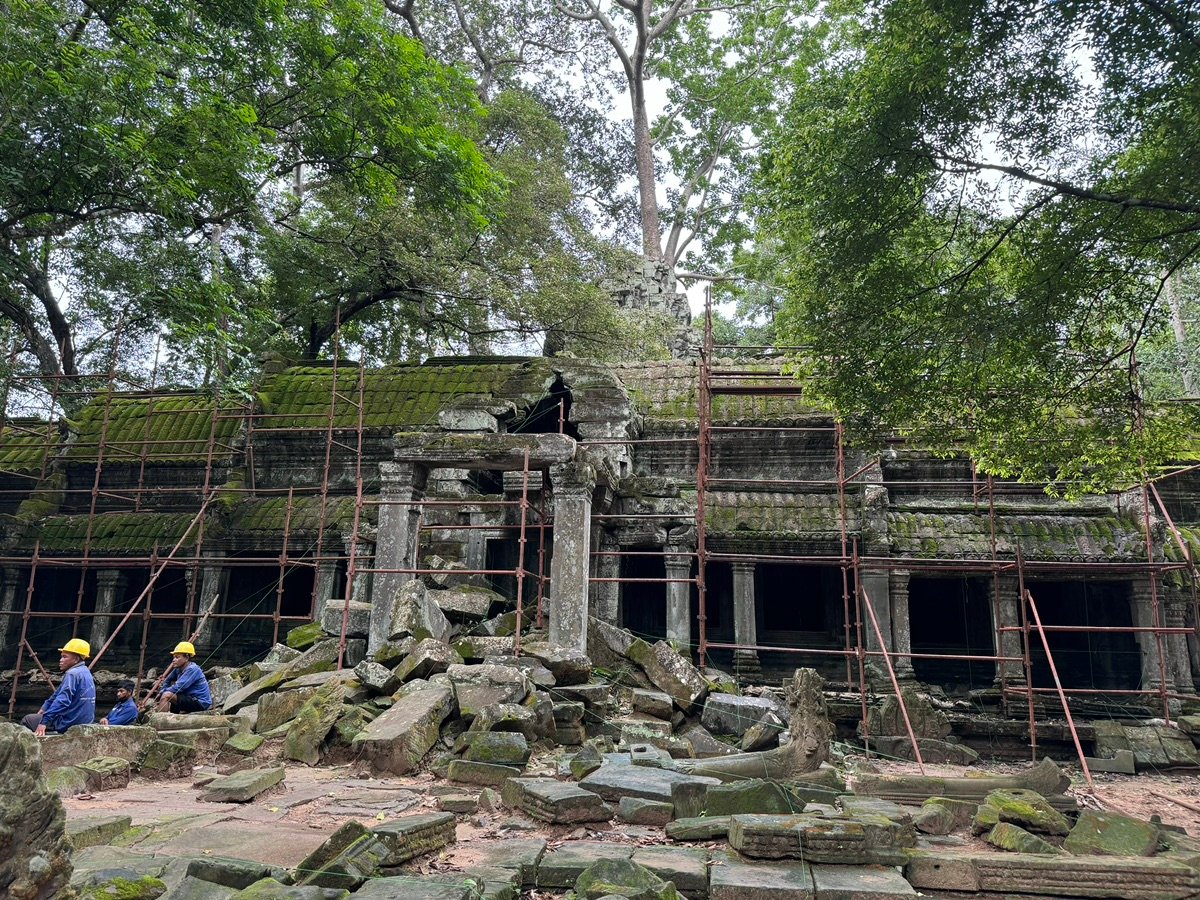
Whispers of Nature and Ancient Stillness
Stepping into Ta Prohm instantly transports you to another realm. The humid air of the jungle, combined with the cool touch of ancient stone and intertwined roots, creates a visceral experience. Overhead, the rustling leaves seem to whisper tales of old. As you navigate the moss-covered corridors, a profound sense of time standing still descends upon you. The sheer physical scale of the place is overwhelming, reminding you how small and transient human constructions are in the face of nature’s relentless power. In the quiet moments, the only sounds are the chirping of birds and the distant murmurs of other visitors.
Best Timing for Your Visit
To truly appreciate Ta Prohm, aim for a visit early in the morning (just after opening) or late in the afternoon (before closing). These times help you avoid the largest crowds and the harshest midday sun. Moreover, the softer light creates dramatic shadows and highlights on the stone and roots, perfect for photography. Pro-tip: Arrive right at the 6:30 AM opening to explore in relative peace before the tour bus groups arrive, allowing you to experience the main spots with fewer people.
Must-See Details
- The Giant Strangler Fig and Spung Tree Roots: These are the signature feature of Ta Prohm. Spend time observing how these colossal roots embrace and intertwine with the temple’s stone structures, sometimes seeming to emerge directly from the walls.
- Corridors and Courtyards: Explore the narrow passageways and open courtyards that reveal glimpses of the sky and jungle. Notice the interplay of light and shadow amidst the crumbling architecture.
- Devata Carvings: Despite the ravages of time and nature, many intricate carvings of celestial dancers (devatas) can still be found on the temple walls, showcasing the delicate artistry of the Khmer Empire.
- The “Dinosaur” Carving: A popular, albeit debated, point of interest is a carving on one of the towers that some visitors interpret as a stegosaurus. While largely considered a misinterpretation of an animal grouping or mythical creature, it’s a fun detail to seek out.
Traveler’s Memo
Access
Ta Prohm is located approximately 10 kilometers from Siem Reap, Cambodia, and is part of the Angkor Archaeological Park. The most common way to get there is by hiring a tuk-tuk or car from Siem Reap. Tuk-tuk drivers typically offer full-day tours of the Angkor circuit, which includes Ta Prohm.
Budget
Entry to the Angkor Archaeological Park requires an Angkor Pass. A one-day pass costs $37 USD, a three-day pass is $62 USD, and a seven-day pass is $72 USD. Ta Prohm is included in this pass. A private tuk-tuk for a day can range from $15 to $30 USD, depending on the route and negotiation.
Recommended Gourmet
While there are limited food stalls around Ta Prohm, once you return to Siem Reap, you’ll find a wealth of restaurants offering traditional Khmer cuisine. Be sure to try Amok (fish curry steamed in banana leaves) and Loc Lac (sautéed beef). The area around Pub Street and the Old Market offers numerous choices.
Nearby Spots
- Angkor Wat: The ultimate masterpiece of Khmer architecture and the national symbol of Cambodia. Popular for sunrise visits.
- Bayon (Angkor Thom): Famous for its massive, smiling stone faces, offering a unique and mystical atmosphere.
- Banteay Srei: Known as the “Citadel of Women,” this red sandstone temple is celebrated for its exceptionally intricate and well-preserved carvings.