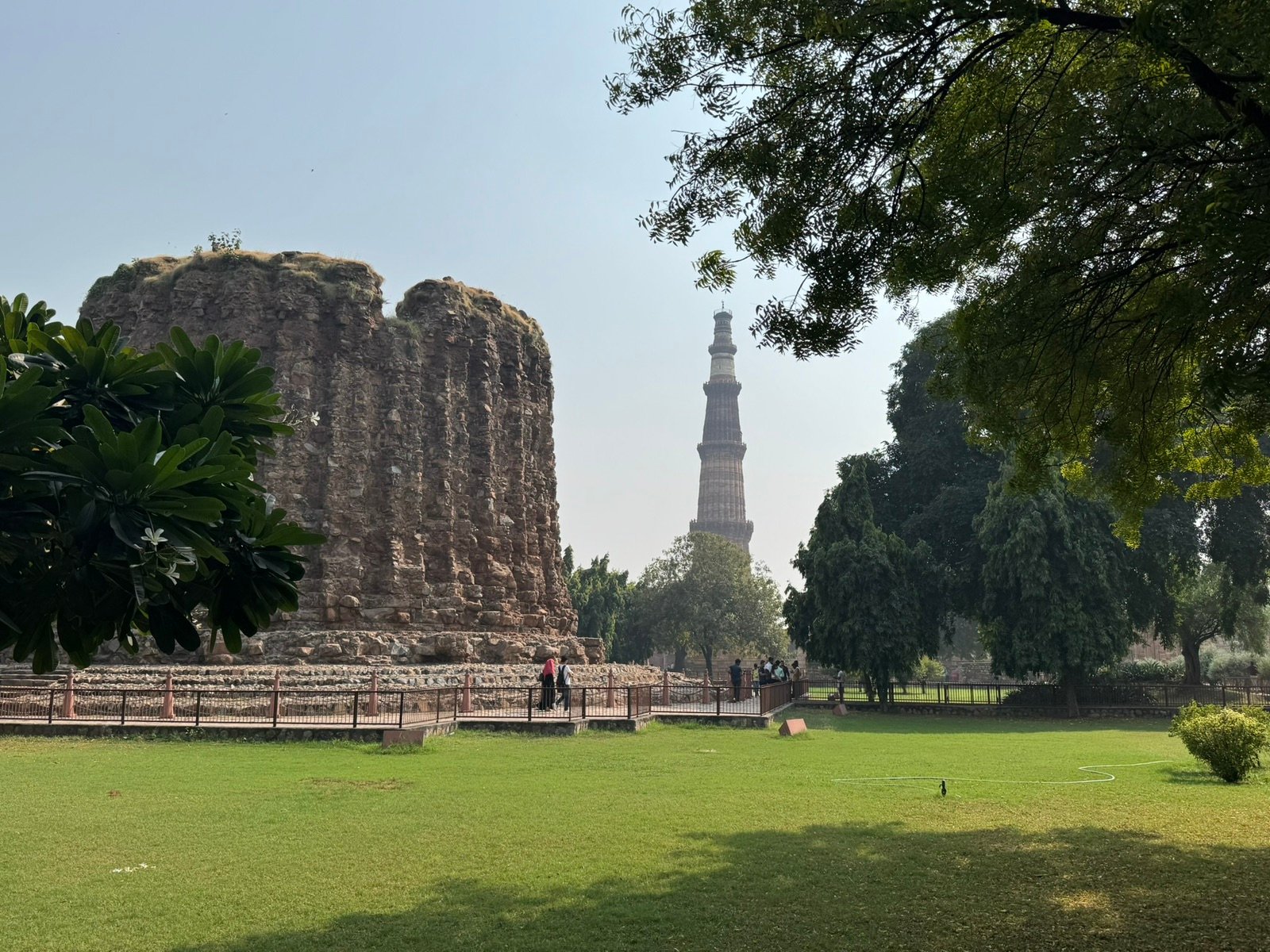
If you’re visiting India, especially Delhi, you’ve probably got the famous Qutub Minar on your list. But have you noticed the massive, clearly unfinished structure standing right next to it? That’s the Alai Minar, and once you know its backstory, this spot gets way more interesting.
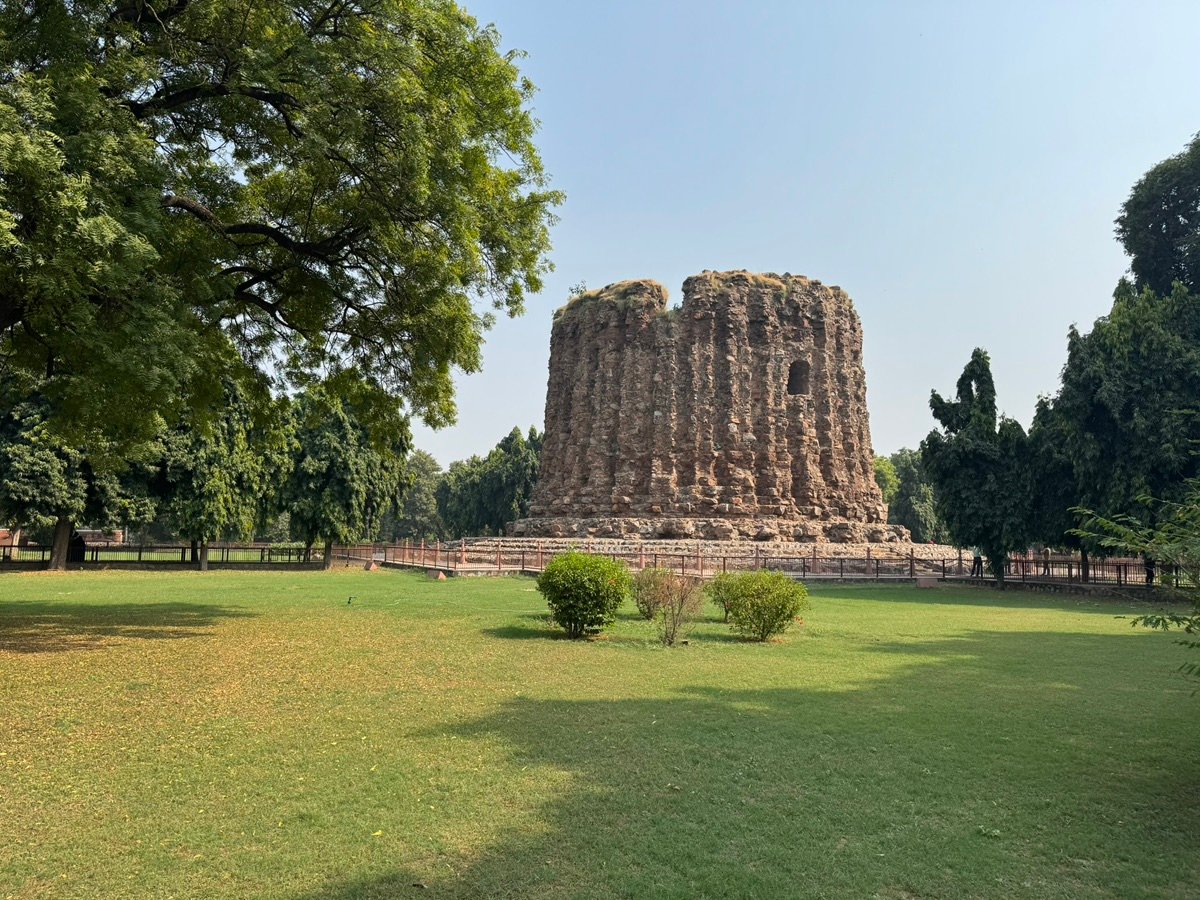
This tower was supposed to be HUGE, but never finished
The Alai Minar was started by Sultan Alauddin Khalji, a ruler even more ambitious than the one who built the Qutub Minar. He planned for this tower to be twice the height of the existing Qutub Minar. Can you even imagine how massive that would have been if it were completed? Unfortunately, his death put a stop to construction, leaving only the first storey standing today. Its incomplete state actually makes it a really fascinating insight into the grand plans and power ambitions of past rulers.
It’s surprisingly peaceful for such a famous spot
While the Qutub Minar itself can get pretty busy, the area around the Alai Minar often feels a bit more serene. Standing there, looking up at its huge, rough-hewn stone walls, you can’t help but feel the sweat and labor of the artisans from centuries ago. It has a meditative vibe, a different kind of beauty from a finished structure, letting you feel the passage of time and the weight of history. The wide, green lawns also make it a pleasant place for a leisurely stroll.
Just how massive it still looks, even unfinished
The true appeal of the Alai Minar lies in its incomplete state. If it had been finished, it would have been an incredible monument, but its halted construction gives you a unique glimpse into the dreams and realities of the past. The rough stonework tells a story of a project frozen in time. When you touch its surface, it almost feels like you’re stepping back in history. The sheer scale and weight of it are much more impactful in person than in photos.
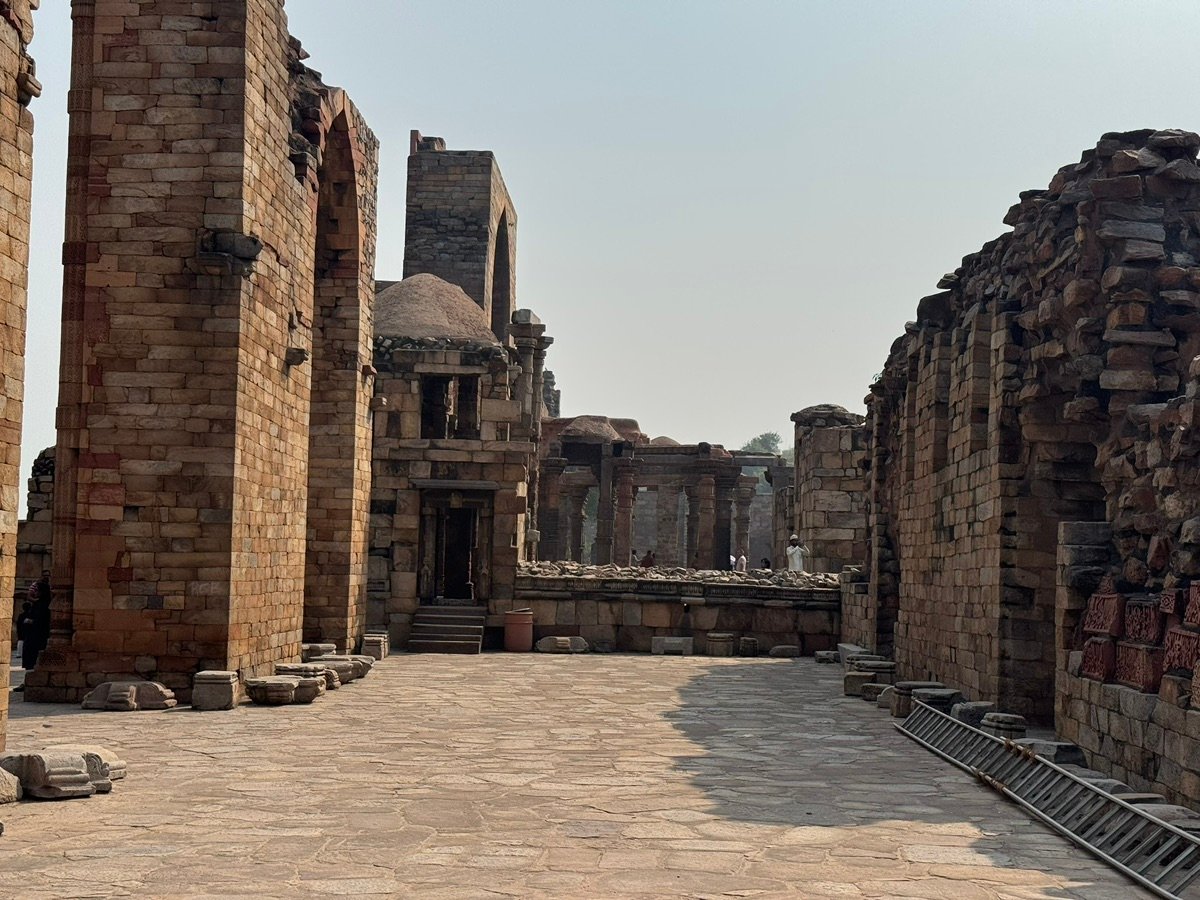
Don’t miss the other cool ruins around here
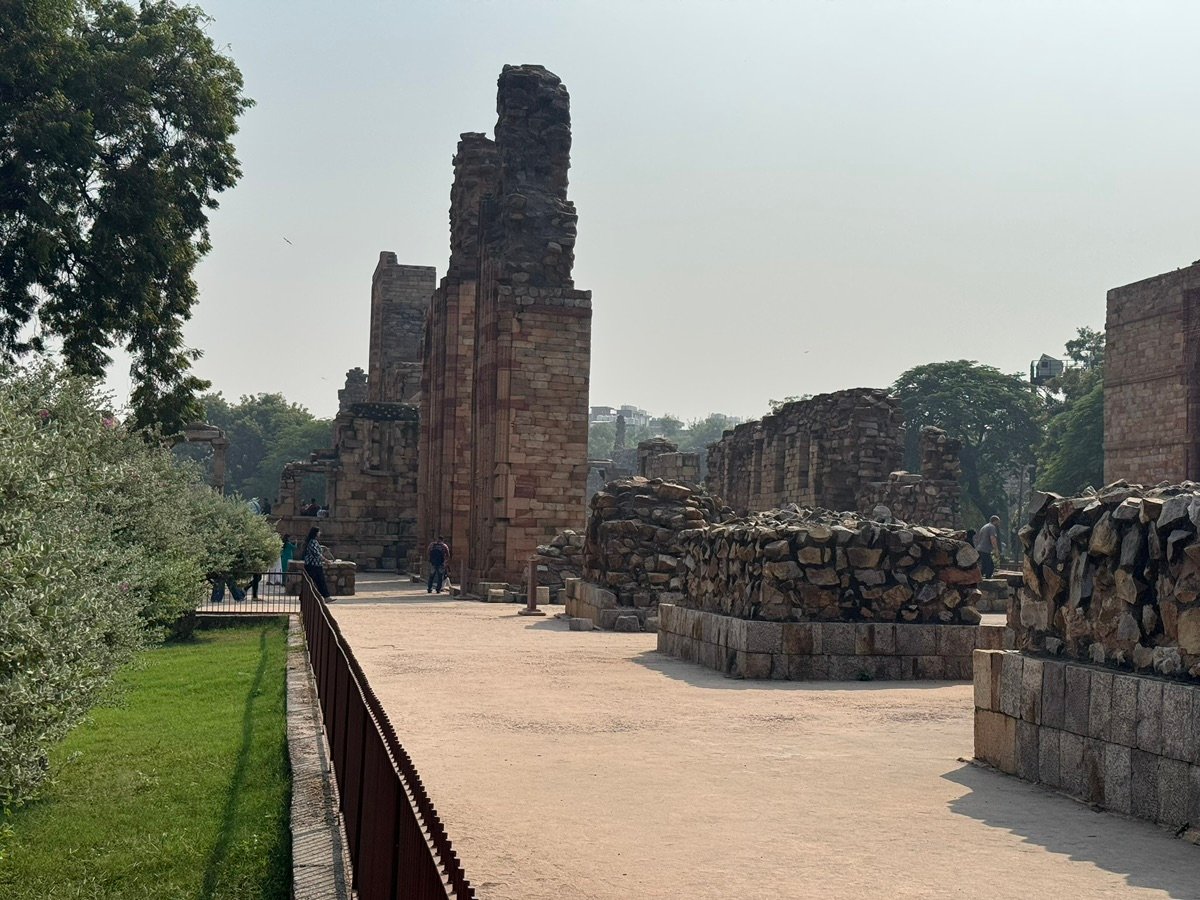
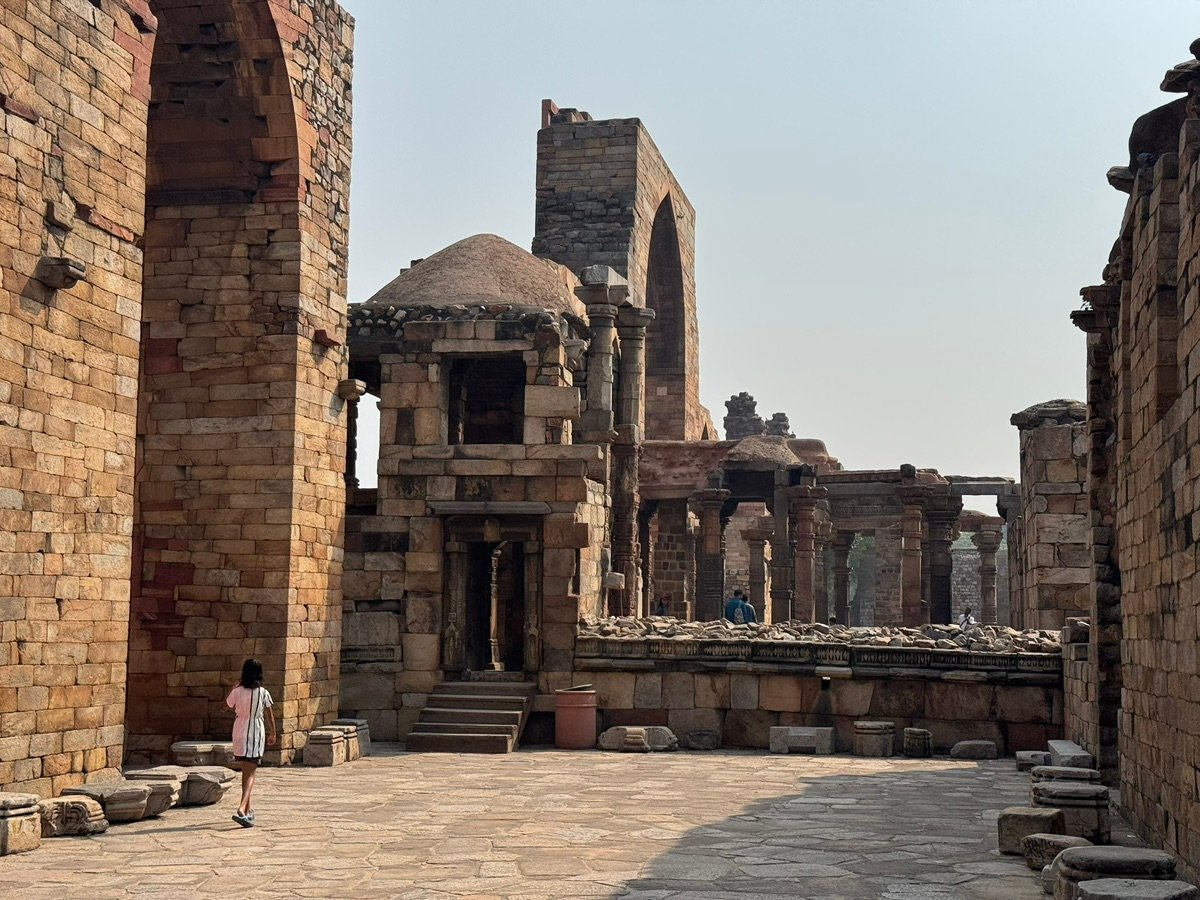
The Alai Minar is part of the extensive Qutub Minar Complex. Here, you’ll also find the ruins of the Quwwat-ul-Islam Mosque, said to be one of the oldest in India, the famous Iron Pillar that never rusts, and various royal tombs. While you’re there for the Alai Minar, make sure to take your time exploring these other fascinating spots. Each one has its own story, offering a palpable connection to India’s rich history.
Best Timing
The best time to visit is either early in the morning right after opening, or late in the afternoon before closing. This helps you avoid the midday heat and the largest crowds, allowing you to soak in the atmosphere more peacefully. The light in the late afternoon is also softer and great for photos. Pro-tip: aim to arrive about 10 minutes before opening to be among the first in line for tickets, so you can enjoy the complex with fewer people around.
Climate & Best Season
Delhi’s climate features very hot summers (June-August) with average temperatures often above 30°C and occasional monsoon showers. Winters (December-February) are relatively mild, averaging around 15°C, though mornings and evenings can be quite chilly. The most comfortable time to visit is during the cool, dry season from October to March. The weather is stable, making it perfect for exploring the historical sites. Keep in mind that this is also peak tourist season, so plan accordingly and book accommodations in advance.
Traveler’s Memo
Access
The easiest way to reach the Qutub Minar Complex is by taking the Delhi Metro Yellow Line to “Qutub Minar Station.” From there, it’s about a 10-minute auto-rickshaw or taxi ride. Remember to negotiate the fare!
Budget
The entrance fee for foreign tourists is Rs. 600 (approx. $8 USD), while Indian nationals pay Rs. 40. This ticket covers the entire complex, including the Alai Minar. Metro and auto-rickshaw fares will likely cost around Rs. 50-100 one way.
Recommended Gourmet
Around the complex, you’ll find stalls selling snacks and souvenirs, as well as small cafes. For a proper meal, consider heading to the nearby Mehrauli or Hauz Khas Village areas, which have many excellent restaurants and cafes. Trying some local street food is always a great idea!
Nearby Spots
- Mehrauli Archaeological Park: Right next to the Qutub Minar Complex, this vast park is home to even more historic tombs and ruins. It’s lush and perfect for a walk.
- Hauz Khas Village: A trendy urban village that blends ancient ruins with modern cafes, boutiques, and art galleries. Some bars even offer live music at night.
FAQ
Is there an entry fee for the Qutub Minar Complex?
Yes, the entry fee for foreign tourists is 600 Indian Rupees, and for Indian nationals, it’s 40 Indian Rupees. Children under 15 years old are generally free.
How much time should I spend at the Qutub Minar Complex?
To explore the entire complex thoroughly, it’s generally recommended to allocate 2 to 3 hours.
Can I climb the Qutub Minar?
No, unfortunately, for safety reasons, visitors are not allowed to enter or climb the Qutub Minar anymore.
Where is the Alai Minar located, and can I access it?
The Alai Minar is located within the Qutub Minar Complex, just north of the main Qutub Minar tower. You can view it from the outside, but due to its unfinished state, internal access is not permitted.
Is photography allowed inside the Qutub Minar Complex?
Yes, photography is generally allowed inside the complex. However, be mindful of restrictions on flash photography and drone usage, which may apply.