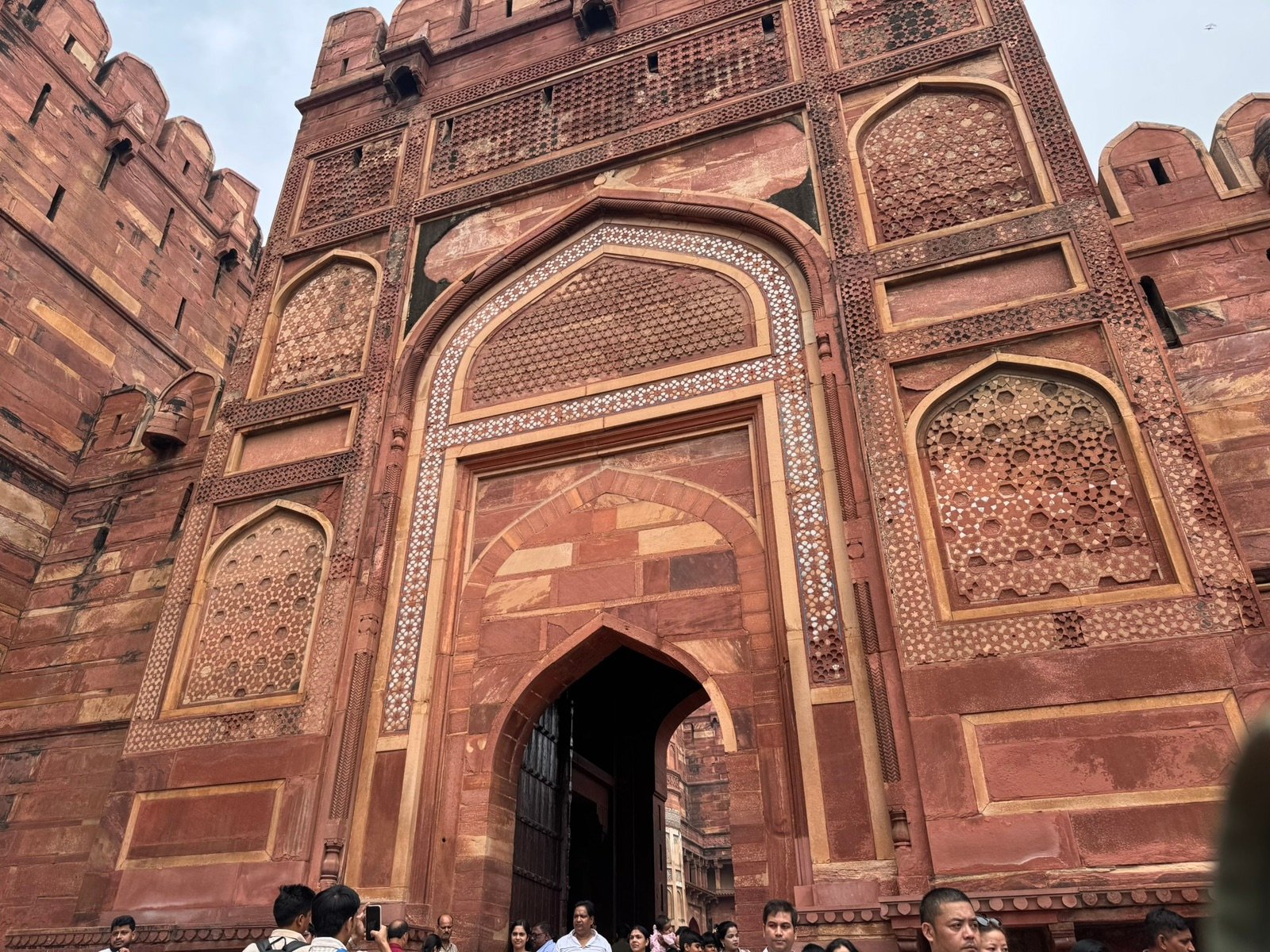
If you’re heading to the famous Agra Fort in India, make sure to really take in the Amar Singh Gate. Its imposing facade seems to tell stories even before you step inside, drawing travelers in with its magnificent presence. The intricate carvings on the red sandstone are particularly captivating, transporting visitors back to the Mughal era.
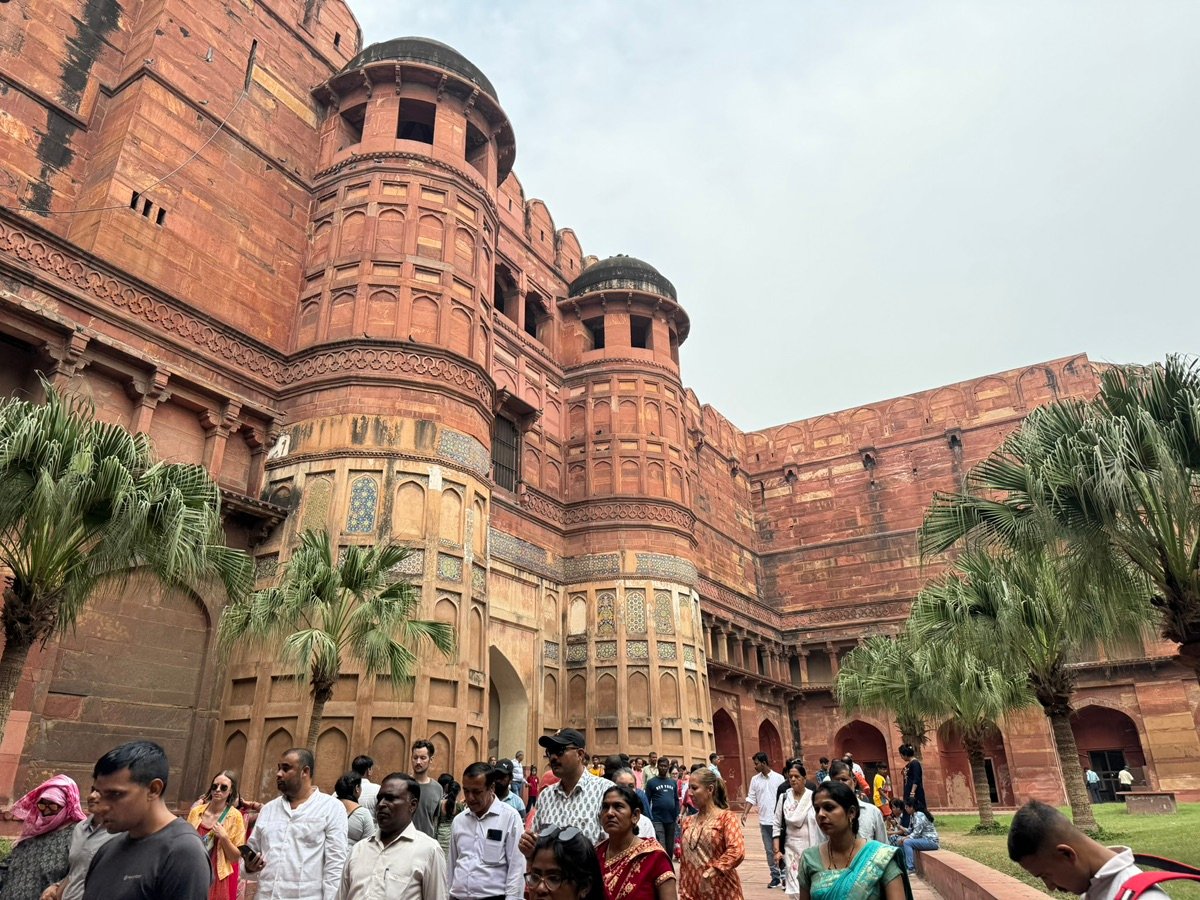
Layers of History and Hidden Stories Adorning the Gate
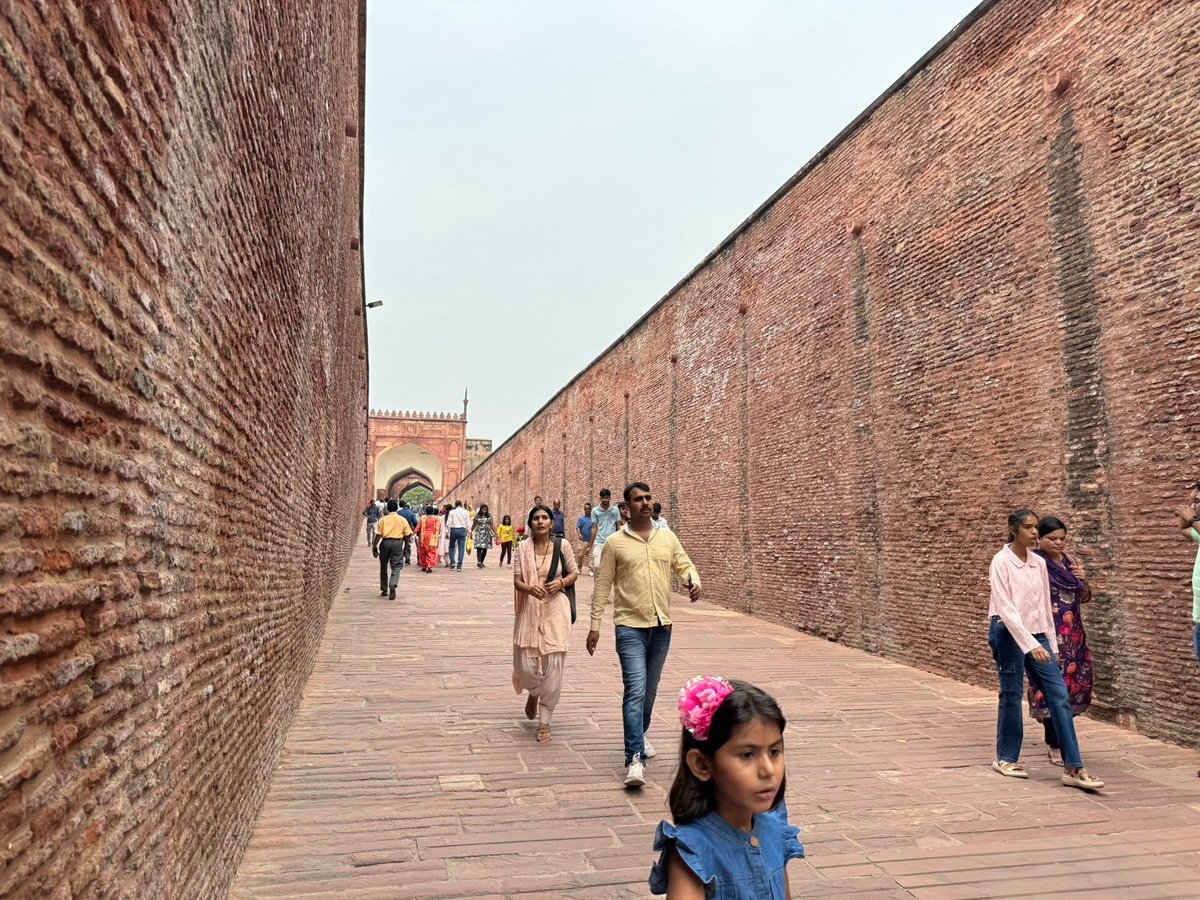
The Amar Singh Gate was originally known as the “Akbari Gate.” It’s believed that Emperor Shah Jahan renamed it when the fort was completed. What’s striking is the L-shaped structure of the gate, a strategic design meant to hinder enemy invasions, specifically to stop charging chariots and elephants. Walking through this gate, you can feel the wisdom and effort of those who once defended this land. Thinking of it not just as an entrance but as a historical front line of defense makes it even more fascinating.
The Imposing Aura of Red Sandstone
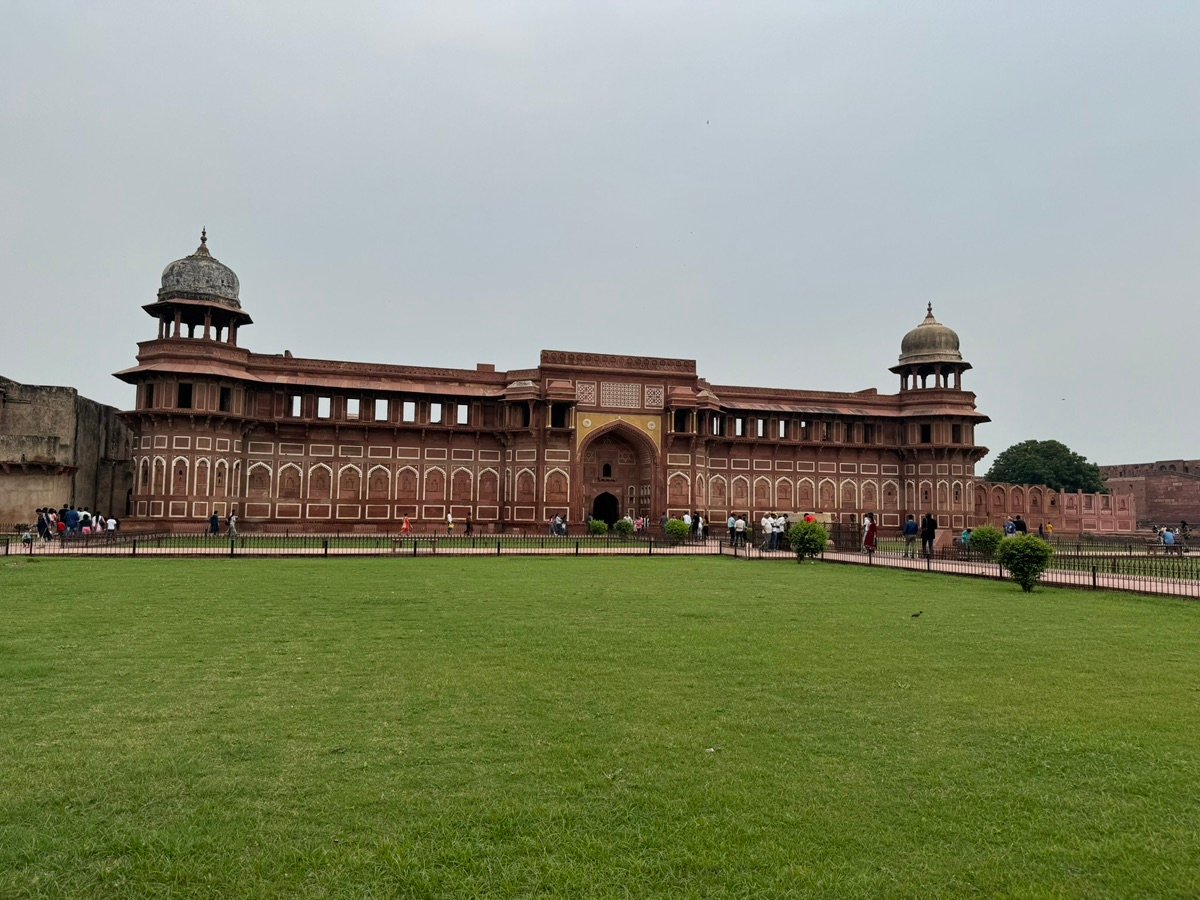
Standing before this gate, you can feel its overwhelming scale and the deep richness of the red sandstone. The contrast between the white marble geometric patterns on the upper and side sections of the gate and the red sandstone is particularly striking. Its appearance changes with the sunlight, showcasing a warm red in the soft morning light and a stately presence under the strong midday sun. This place feels as if time has stood still, conveying the glory of the Mughal Empire from centuries ago. Looking up at the detailed reliefs, you’ll be amazed by the high level of craftsmanship of the artisans of that era.
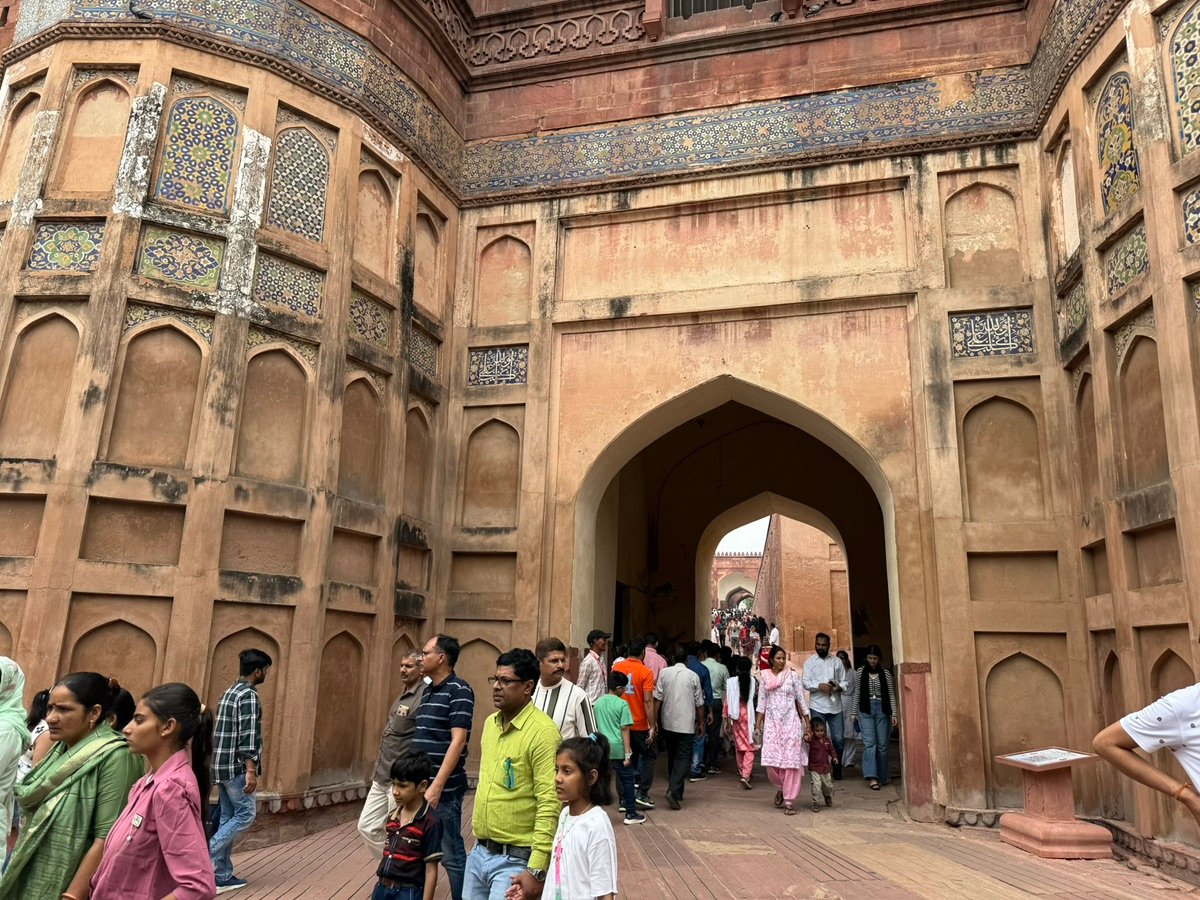
Best Timing
If you’re planning to visit Amar Singh Gate, the earlier in the morning, the better. Visiting right after opening hours means fewer crowds, allowing you to fully appreciate the gate’s grandeur. The angled morning light also enhances the red sandstone reliefs, making it perfect for photography. While beautiful at sunset, it tends to get much more crowded then. Pro tip: Arrive 10-15 minutes before the ticket counter opens to be among the first in line for a smoother entry.
Climate & Best Season
Agra’s climate is characterized by extremely hot summers (April-June), with average temperatures exceeding 35°C and often reaching 45°C during the day. The monsoon season (July-September) is humid with frequent rainfall. Winter (October-March) is relatively mild and pleasant, with daytime temperatures averaging 15°C-25°C. Therefore, October to March is the best season to visit Agra. Specifically, November to February offers cool, dry weather, ideal for sightseeing. Remember to bring a hat, sunglasses, and stay hydrated due to the strong sun.
Must-See Details
- The L-shaped passageway: This unique design was intended to make enemy entry difficult. You can also feel the impressive thickness of the walls.
- Intricate Marble Inlay: The geometric patterns of white marble embedded in the red sandstone are a hallmark of Mughal architecture. Take your time to observe them closely.
- Embrasures and Merlons: Look for the defensive openings along the top and sides of the gate. They give a glimpse into the past defense strategies.
- Massive Wooden Doors: These thick, wooden doors represent the pinnacle of engineering from their era. Their presence is still imposing today.
Traveler’s Memo
Access
Agra Fort is located in the heart of Agra city, about a 15-20 minute drive from the Taj Mahal. Auto-rickshaws or taxis are convenient options. It’s also easily accessible from the railway station.
Budget
The entrance fee for Agra Fort for foreign tourists is currently around 650 Indian Rupees (approximately $8-9 USD). There are no additional charges for bringing a camera. Hiring a guide will incur an extra cost but is recommended for a deeper understanding of the history.
Recommended Gourmet
When in Agra, be sure to try “Petha,” a sweet made from ash gourd, available everywhere in the city. Also, there are plenty of rich curries influenced by Mughal cuisine. “Pinch of Spice” and “Dasaprakash” near the fort are popular spots to enjoy local dishes.
Nearby Spots
- Taj Mahal: The world-renowned UNESCO World Heritage site. It’s very close to Agra Fort, making them a popular pair to visit.
- Tomb of Itmad-ud-Daula: Often called the “Baby Taj,” this marble mausoleum has a beauty reminiscent of a miniature Taj Mahal.
- Mehtab Bagh: A garden across the Yamuna River from the Taj Mahal, offering a spectacular view of the Taj over the river.
FAQ
Can I take photos at the Agra Fort gate?
Yes, photography is generally allowed inside Agra Fort, including at Amar Singh Gate. Feel free to capture its historical beauty.
How much time is needed to visit Agra Fort?
To thoroughly explore the entire fort, it’s recommended to set aside at least 2 to 3 hours. This allows enough time for photography at Amar Singh Gate and appreciating the palaces inside.
Is it necessary to purchase Agra Fort tickets in advance?
Tickets can be purchased at the counter on the day of your visit, but it can get crowded during peak season or weekends. Online advance booking is an option and worth considering for smoother entry.
Are there guides available around the gate?
Yes, many authorized guides are available near the entrance of Agra Fort. Negotiating a fee and hiring one can provide a deeper experience by learning about its detailed history and stories.