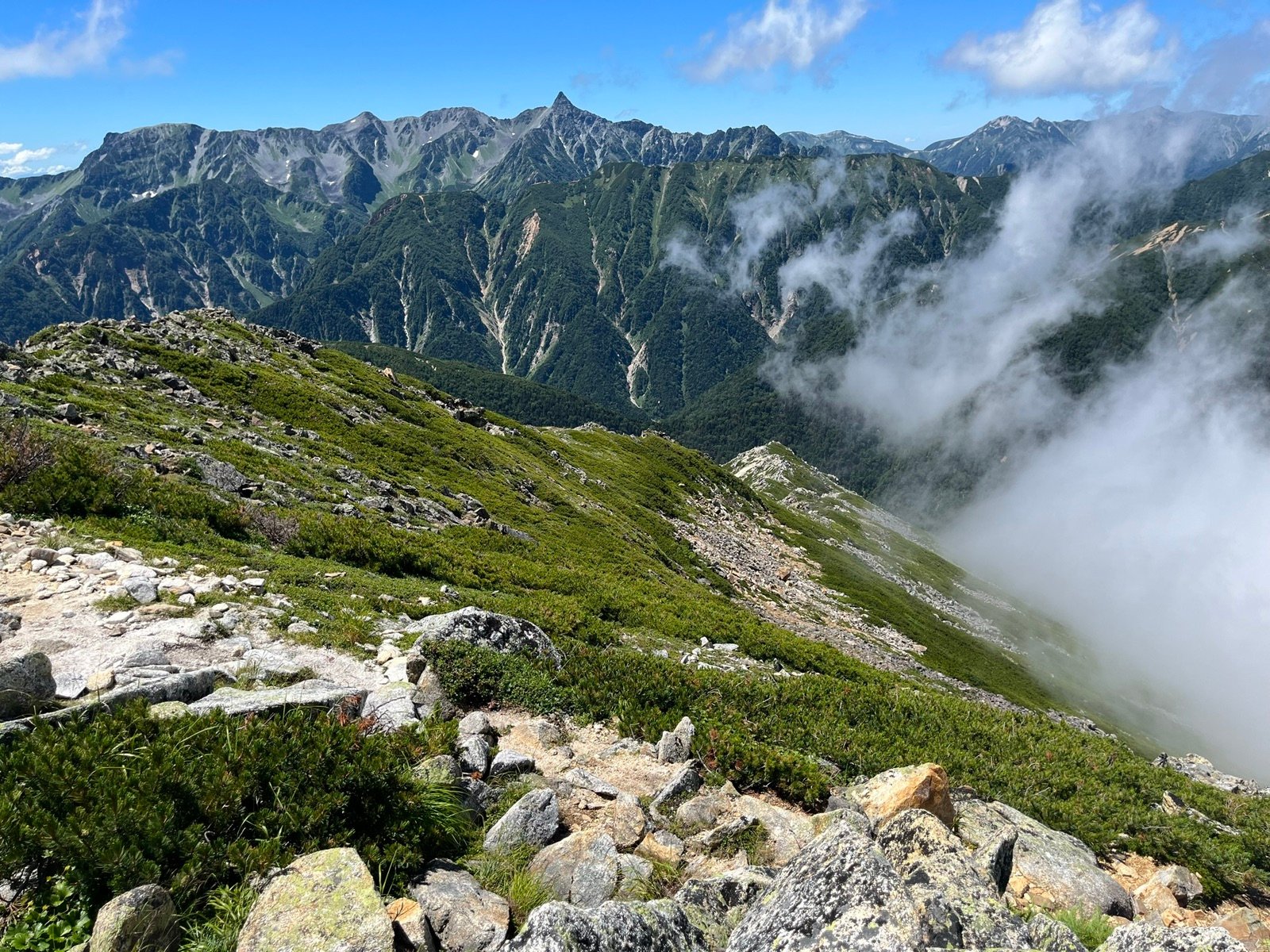
When you hike through the Japanese Alps, there’s one peak that stands out, even from a distance, with its sharp, spear-like shape. That’s Mount Yari (Yarigatake), a special landmark for hikers. Seeing this view makes you forget all the effort of the climb, and you can’t help but say, “I’m so glad I came.” This peak, located in the Northern Alps, straddles Nagano and Gifu Prefectures, and it’s one of Japan’s most iconic mountains.
The Origin of Mount Yari’s Name and the Mountain Range Before You
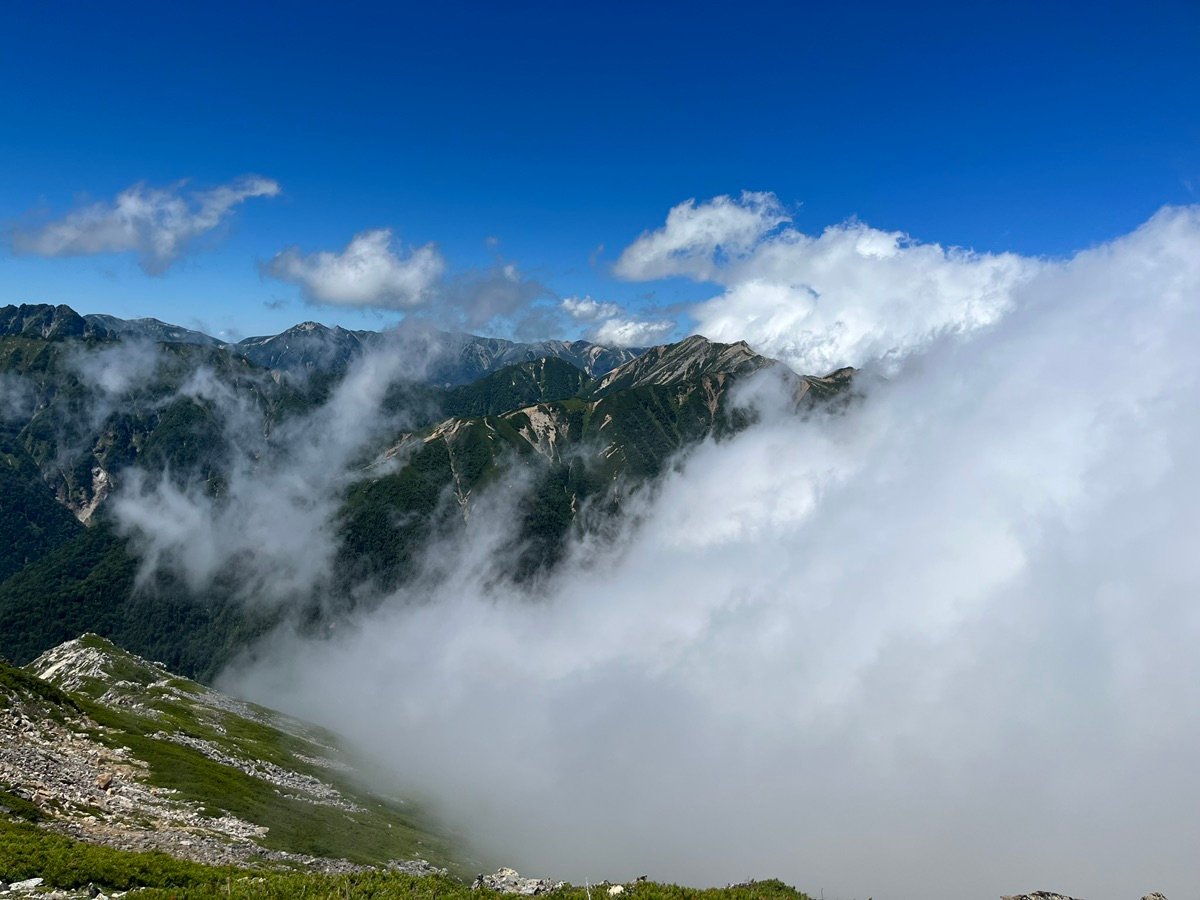
True to its name, “Yari” (meaning spear), the summit of Mount Yari has a distinctive, sharply pointed shape. It’s believed to have been first climbed by the monk Banryu Shonin in 1828. From this viewpoint, the spearhead of Yari soars as if piercing the sky, and the mountain ridges stretching to its left and right seem to hold countless stories. Especially, the rock faces lit by the morning sun or the sea of clouds rising from the valleys vividly showcase nature’s raw power. While the hiking trails were improved in the late Edo period, this area was a sacred site for mountain ascetics long before that.
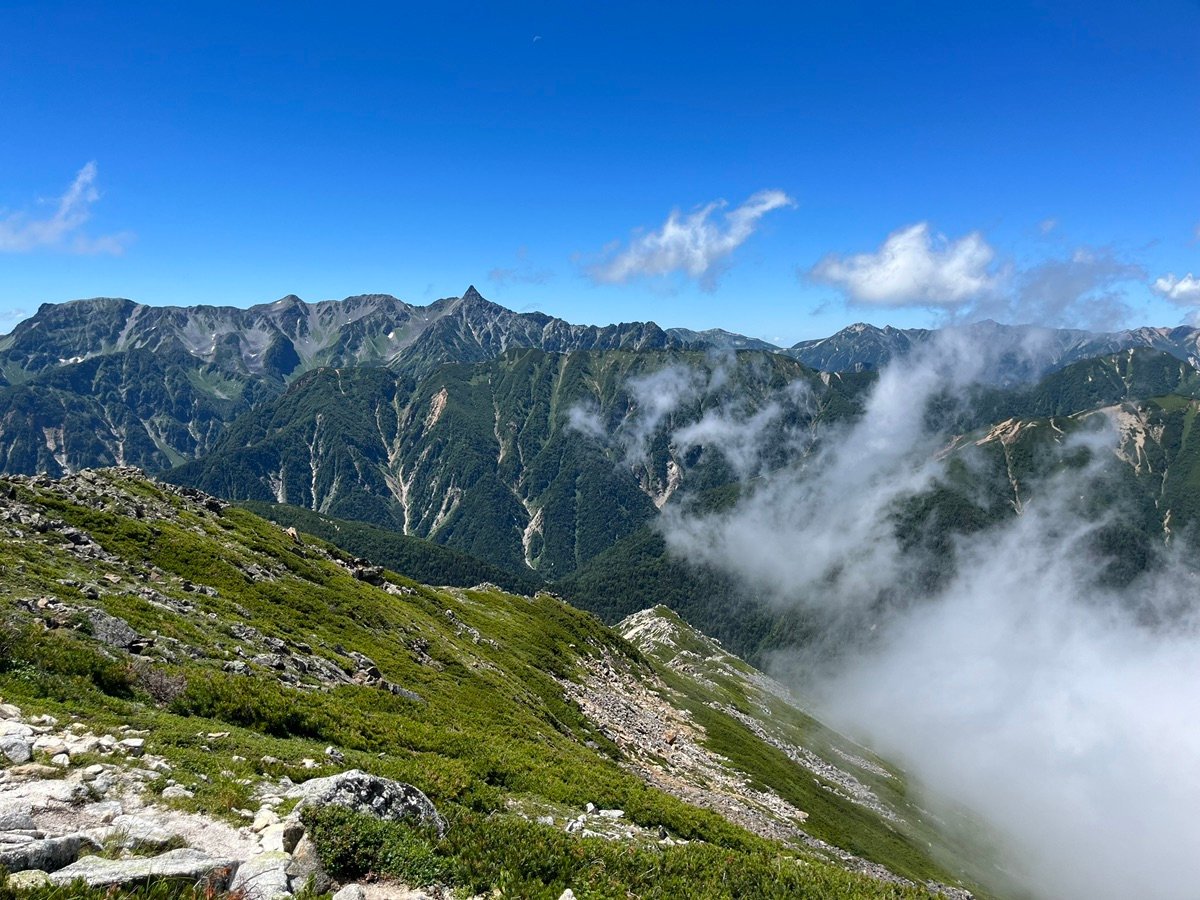
The Air That Feels Like It Cleanses You With Every Breath
Standing here, the first thing you notice is the refreshing clarity of the air. It’s completely different from city noise, filling your lungs with crisp, cool air, making you feel cleansed from the inside. Before you lies an endless panorama of mountains. The clouds move slowly through the valleys, and the changing light alters the mountains’ expressions in a way that you could watch for hours. Especially during early mornings with a sea of clouds or at sunset, the sheer scale is overwhelming. The sound of the wind, the calls of birds, and your own footsteps are the only sounds, bringing a sense of calm to your mind.
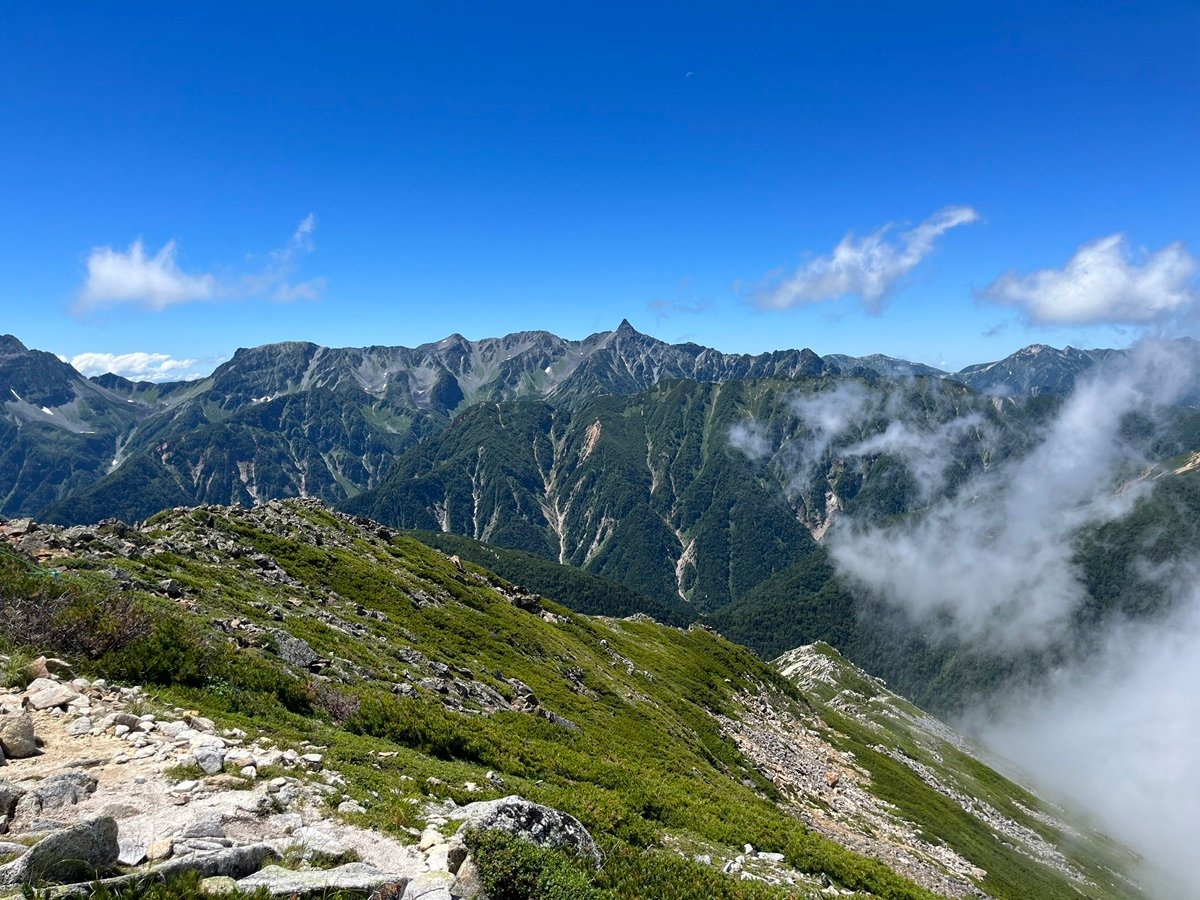
Best Timing: Right After Sunrise or During Sunset
To fully enjoy this spectacular view, aiming for the time just after sunrise is your best bet. Mount Yari, bathed in the morning glow, looks ethereal, and the air is often clearer, offering better visibility of distant peaks. Plus, most hikers will still be at the mountain huts, so you might have the view mostly to yourself. Sunset also offers beautiful scenes with mountains bathed in orange light, creating an emotional end to the day. Clouds can often form in the afternoon, so early morning is usually more reliable for clear skies.
Climate & Best Season
The climate in the Northern Alps is very different from lowlands due to its high altitude. Summer (late July to August) is relatively comfortable with average temperatures around 10-20°C, but weather can change quickly, so be wary of afternoon thunderstorms. Autumn (late September to early October) is considered the best hiking season, with beautiful fall foliage and often stable, clear weather. Average temperatures are 5-15°C, but mornings and evenings are cold. Winter (November to late May) is the snowy season, requiring serious winter mountaineering experience, characterized by severe cold and strong winds. For general hikers, the best season is from early July to early October, when there’s no snow. Outside this period, the risks from remaining or accumulating snow increase.
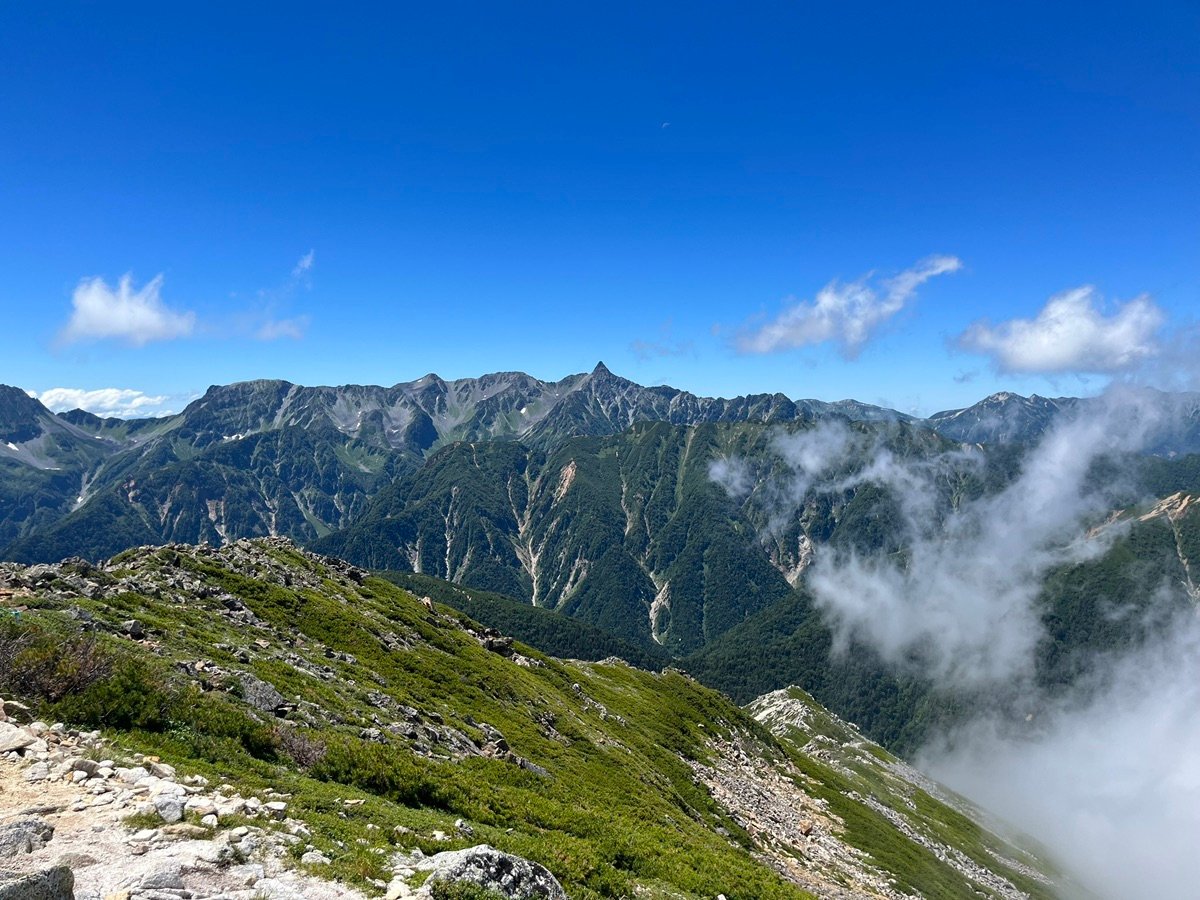
Must-See Details
- The Spearhead Shape of Yari: Its distinctive silhouette is impressive from any angle. Enjoy how its expression changes depending on where you view it from.
- Japanese Stone Pine Belt: These clusters of dwarf pines, growing above the tree line, are a treasure trove of alpine plants. If you’re lucky, you might spot a rock ptarmigan (raicho).
- U-shaped Valleys and Cirques: These unique landforms, carved by glaciers, offer a glimpse into Japan’s geological history.
- Cloud Movements: The constantly changing movement of clouds along the mountain faces is natural art. The sight of a full sea of clouds is breathtaking.
Traveler’s Memo
Access
Access to Mount Yari typically starts from Kamikochi. Buses run from Matsumoto Station to Kamikochi. From Kamikochi, there are several routes, including the Yarisawa route and one via Yokoo to Karasawa. All routes require at least a 1-night, 2-day trip with sufficient physical fitness and preparation. You’ll use a combination of public transport and mountain buses.
Budget
Hiking budgets vary greatly depending on mountain hut usage and gear. Mountain hut stays cost approximately 11,000-13,000 JPY per night (including two meals). You’ll also need to consider transportation, food, drinks, and hiking gear (rentals are available).
Recommended Gourmet
Warm meals at mountain huts are the ultimate treat. Especially the famous “Yari Curry” at Yarigatake Sanso (Mount Yari Hut) and the miso soup for breakfast are incredibly comforting after a tiring hike. Coffee and cakes served at the huts are also perfect for a break while enjoying the superb views.
Nearby Spots
- Kamikochi: The base for many hikes, offering beautiful views from Kappa Bridge and pleasant walks along the Azusa River.
- Karasawa Cirque: Especially during autumn foliage season, it’s considered one of the most beautiful places in Japan, offering spectacular views.
- Mount Okuhotaka: Another dominant peak in the Northern Alps, similar to Mount Yari. For those seeking more challenging routes.
FAQ
Is climbing Mount Yari suitable for beginners?
Mount Yari is one of the more difficult mountains in the Japanese Alps, suitable for experienced hikers. It has many chains and ladders, and the area directly below the summit is steep. For beginners, it’s strongly recommended to go with an experienced hiker or a guide.
Do I need a reservation for mountain huts?
Yes, especially during peak summer season and weekends, mountain huts can get very crowded, so it is essential to book in advance. You might not be able to stay without a reservation.
What hiking gear is essential?
Sturdy hiking boots, rain gear (separate top and bottom), warm clothing, a headlamp, trail food, water bottle, map and compass (or GPS), and a first-aid kit are all essential. Even in summer, a down jacket might be necessary depending on the weather.
Is mobile phone reception available around Mount Yari?
While some areas around major mountain huts and along ridges might have reception, many spots are out of range. Don’t rely solely on your phone for emergency contact and carry a spare battery.
How crowded are the hiking trails?
During summer vacation and autumn foliage weekends, the trails can be very busy. Traffic jams can occur especially directly below the summit of Mount Yari, so plan your schedule with plenty of time.