You know those incredibly detailed ancient Egyptian paintings you see in documentaries? Well, stepping into the Tomb of Ramesses V and VI (also known as KV9) in Egypt is exactly like that, but so much more real. Located in the famous Valley of the Kings near Luxor, this tomb might not always be the first one people mention, but it really blew me away with its perfectly preserved colors and stories covering every surface.
The kings who shared a final resting place
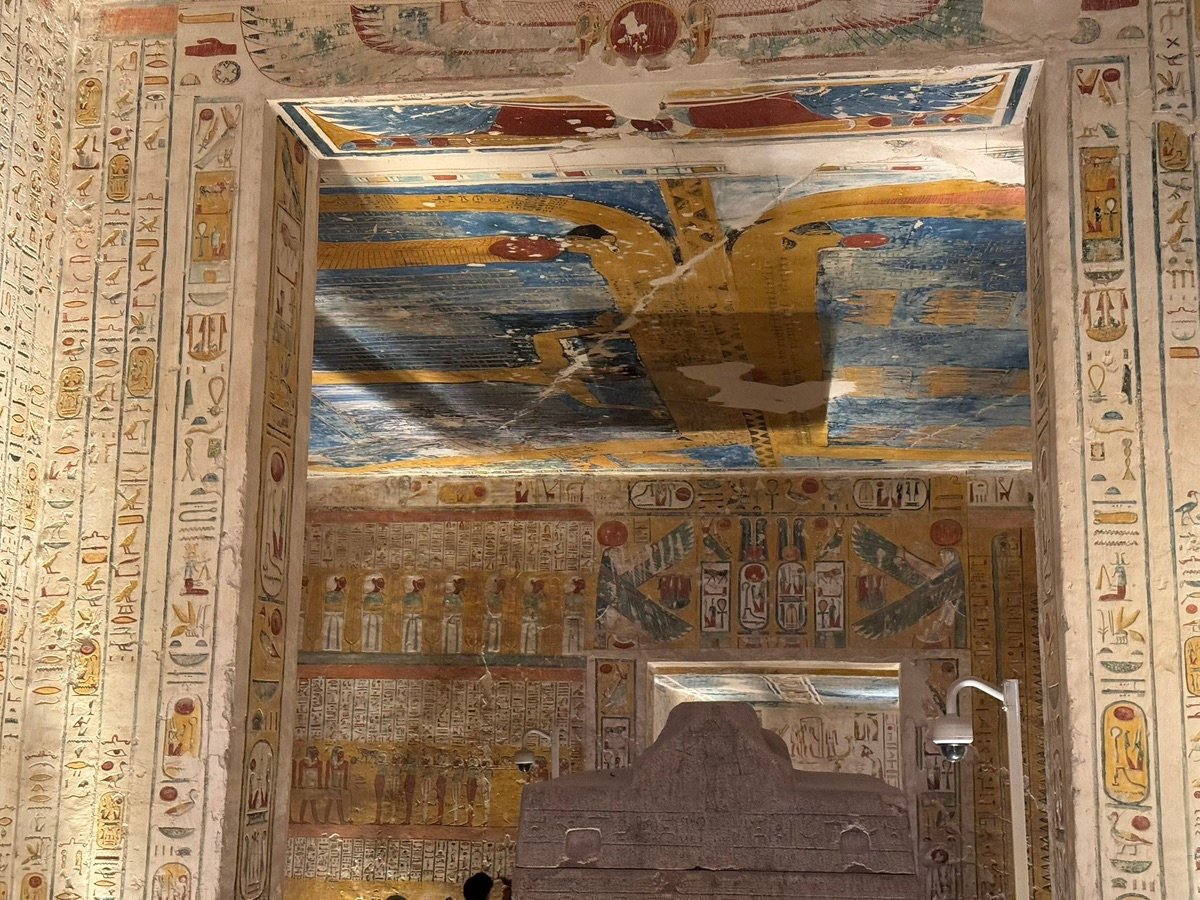
It’s pretty unique that this tomb was originally built for Ramesses V, but then his nephew, Ramesses VI, ended up being buried here too. You’ll see their cartouches throughout the tomb. This shared burial isn’t super common in the Valley of the Kings, and it really shows the complexities of succession during the 20th Dynasty. The fact that it was reused also saved it from some of the later tomb robberies, probably because it was already ‘occupied’ and people knew about it.
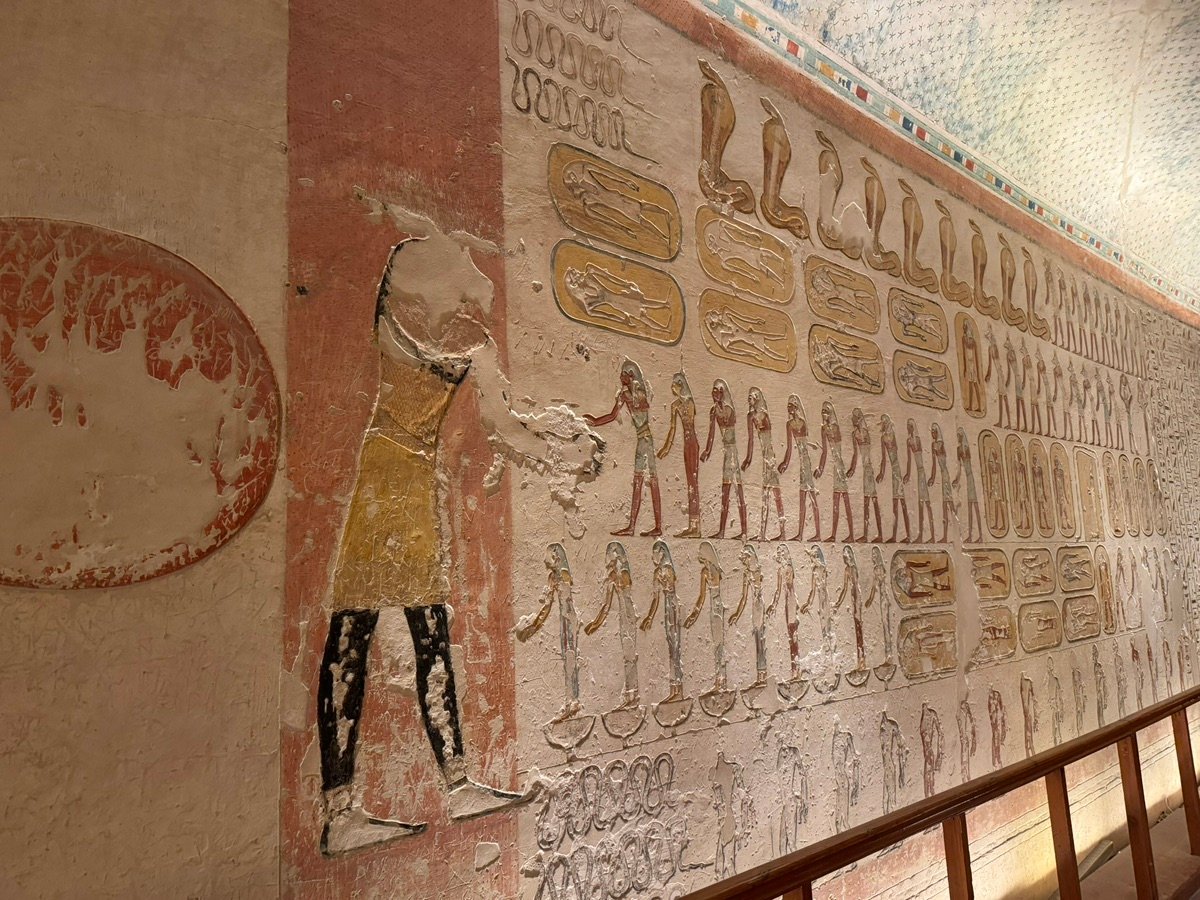
It feels like stepping into a hidden book
Walking down the long, painted corridors of KV9 feels like you’re literally inside an ancient Egyptian storybook. Every single inch of the walls and ceilings is covered in incredibly detailed hieroglyphs and vibrant murals depicting scenes from the Book of Gates, the Book of Caverns, and the Book of Amduat. The air is cool and dry, and even with other people around, there’s a quiet reverence. The sheer scale and detail of the artwork make you want to just stand there and take it all in, trying to understand the stories carved into the stone.
Best time: Right when they open
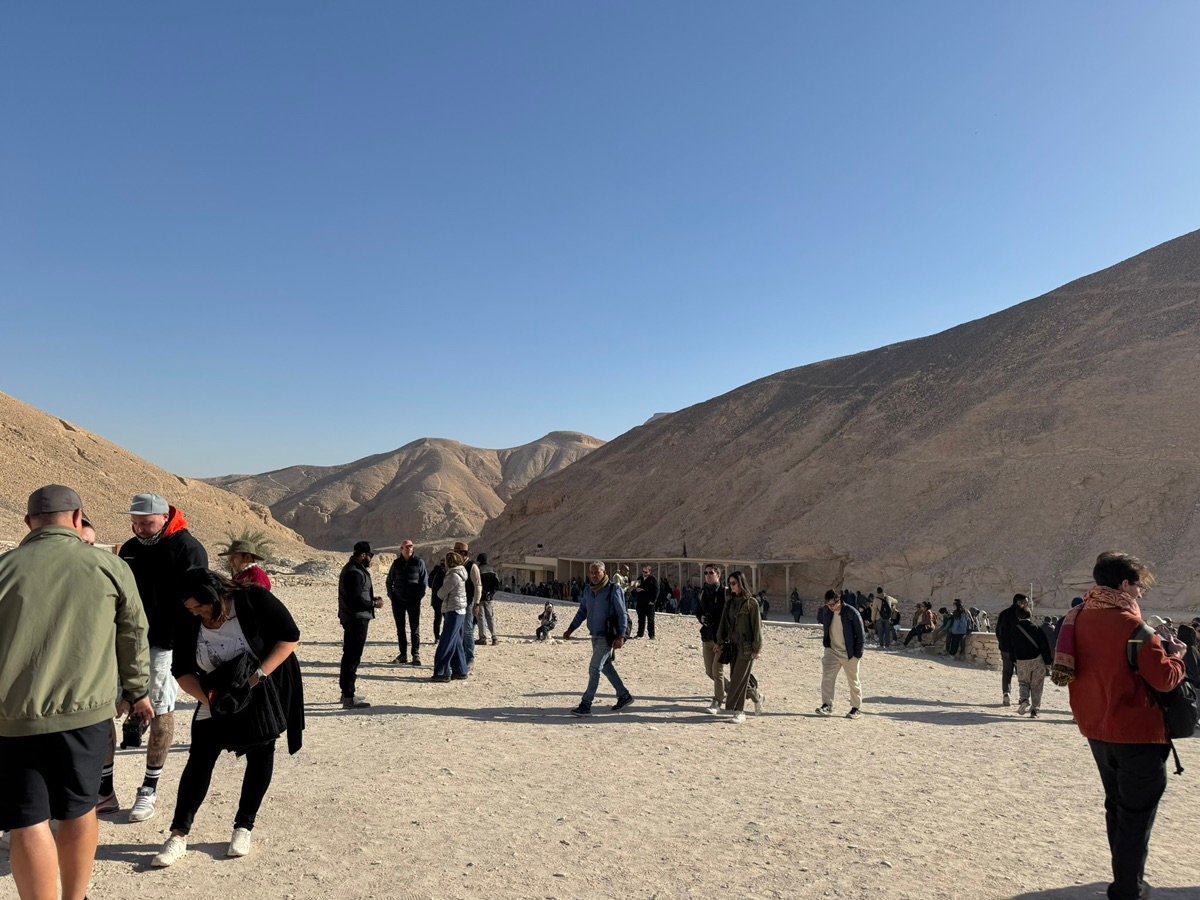
Seriously, aim to be at the entrance of the Valley of the Kings right when it opens at 6:00 AM. This tomb can get really crowded later in the day, especially with tour groups. Going early means you get to experience the tomb with fewer people, giving you more space to appreciate the artwork and take photos without obstructions. Pro-tip: Buy your tickets for the Valley and then specifically for this tomb as soon as you arrive, so you can head straight in.

Climate & Best Season
Luxor has a desert climate, so it’s generally hot and dry. Summer (June-August) temperatures can soar above 40°C (104°F), making daytime visits very challenging. Winter (December-February) is much milder, with averages around 15-25°C (59-77°F), but this is also peak tourist season, meaning more crowds and higher prices. The best time to visit is during the shoulder seasons: March-May (Spring) or September-November (Autumn). Temperatures are comfortable, typically ranging from 25-35°C (77-95°F), and there are fewer massive tour groups, making for a much more pleasant experience exploring the tombs.
Must-See Details
- The incredibly detailed astronomical ceiling in the burial chamber, depicting the goddess Nut and constellations.
- The vibrant and well-preserved scenes from the Book of Gates in the first corridor, showing the sun god’s journey through the underworld.
- The series of sarcophagus-shaped outlines on the walls, representing the deceased king in different stages of transformation.
- The famous ‘finger-prints’ in the plaster in the pillared hall, left by ancient workmen.
- The depiction of the ‘Opening of the Mouth’ ceremony, a crucial ritual for the pharaoh’s rebirth.
Traveler’s Memo
Access
The Tomb of Ramesses V and VI is located in the Valley of the Kings on the West Bank of Luxor. You’ll need to take a taxi or join a tour from Luxor East Bank, cross the Nile (by ferry or bridge), and then proceed to the Valley entrance. There’s a small tourist train available within the Valley to take you closer to the tombs.
Budget
Entry to the Valley of the Kings is about 400 EGP (approx. $13 USD) for a standard ticket, which includes access to three tombs. The Tomb of Ramesses V and VI often requires an additional, separate ticket, which is around 180 EGP (approx. $6 USD). Prices can change, so always check locally. Photography inside tombs usually requires a separate permit, or is sometimes included, so ask at the ticket office.
Recommended Gourmet
There aren’t any restaurants right within the Valley of the Kings, just small kiosks for drinks. For food, head back towards the Nile on the West Bank. Try ‘Nour el Gourna‘ for authentic Egyptian home cooking, or ‘Marsam Hotel Restaurant‘ for good food with a view. Expect to pay around 150-300 EGP ($5-10 USD) for a good meal at a local spot.
Nearby Spots
- Tomb of Tutankhamun: See the famous boy king’s tomb, though many artifacts are in Cairo.
- Temple of Hatshepsut: A stunning mortuary temple dedicated to one of Egypt’s most powerful female pharaohs.
- Colossi of Memnon: Two massive stone statues of Pharaoh Amenhotep III, iconic guardians of the West Bank.
- Medinet Habu: The mortuary temple of Ramesses III, known for its well-preserved reliefs and colorful scenes.
FAQ
Is photography allowed inside the Tomb of Ramesses V and VI?
Generally, photography without flash is allowed with a special ticket, which you usually purchase at the Valley of the Kings ticket office. Policies can change, so always confirm upon entry.
How much time should I allocate for visiting this tomb?
To fully appreciate the artwork without rushing, plan to spend at least 30-45 minutes inside the Tomb of Ramesses V and VI, especially if it’s not too crowded.
Are there any specific dress code requirements for visiting the tomb?
While there’s no strict dress code for tombs, it’s respectful to dress modestly when visiting ancient sites in Egypt. Light, breathable clothing that covers shoulders and knees is recommended.
Is the tomb accessible for people with mobility issues?
The Valley of the Kings generally has uneven paths, and the tombs involve descending ramps or stairs. This specific tomb has a long sloping corridor and steps, which might be challenging for those with significant mobility issues.
What’s the best way to get to the Valley of the Kings from Luxor city?
The most common ways are by taxi (hiring for a half-day or full-day), joining an organized tour, or taking a local ferry across the Nile to the West Bank and then a taxi.