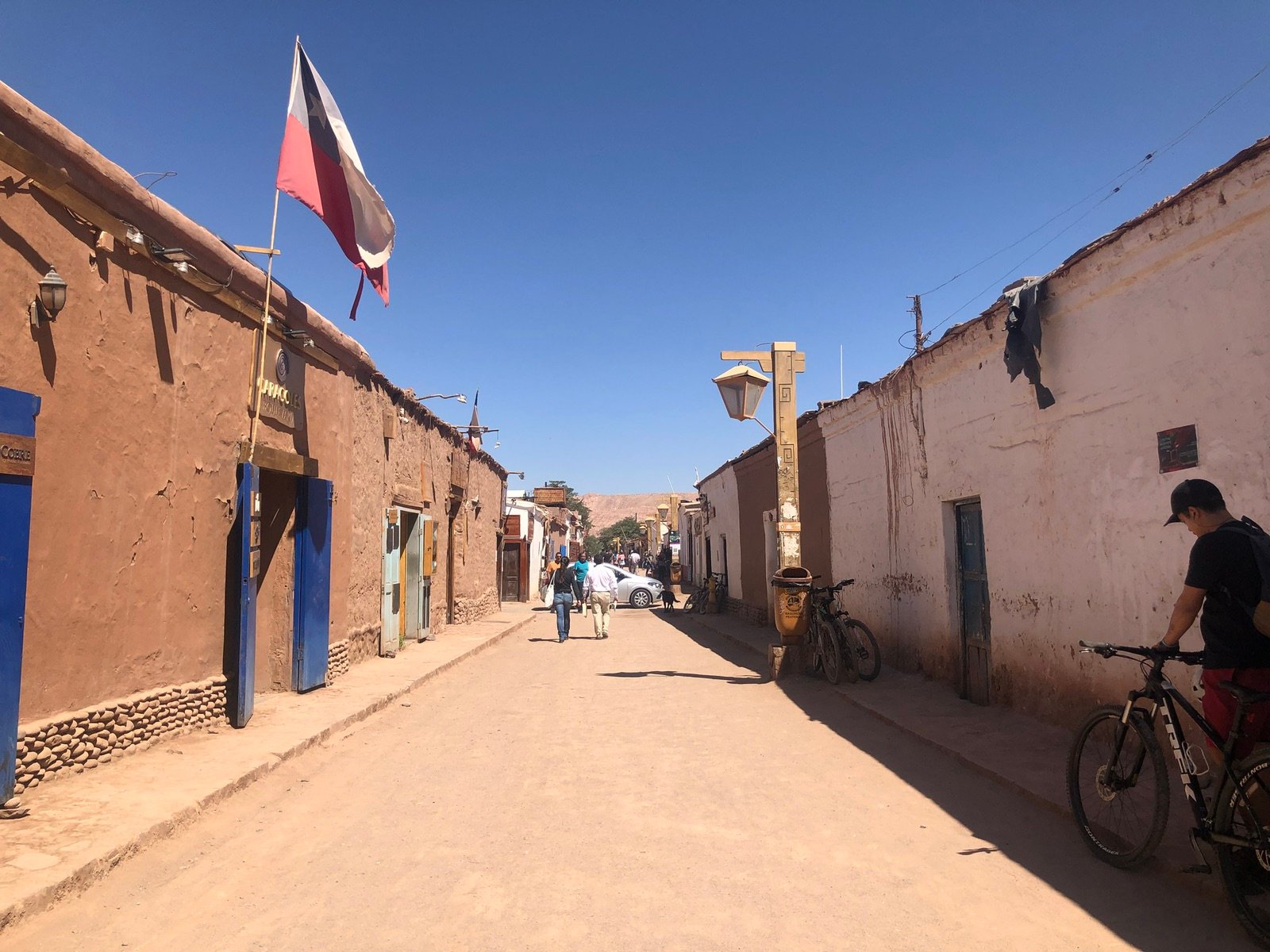
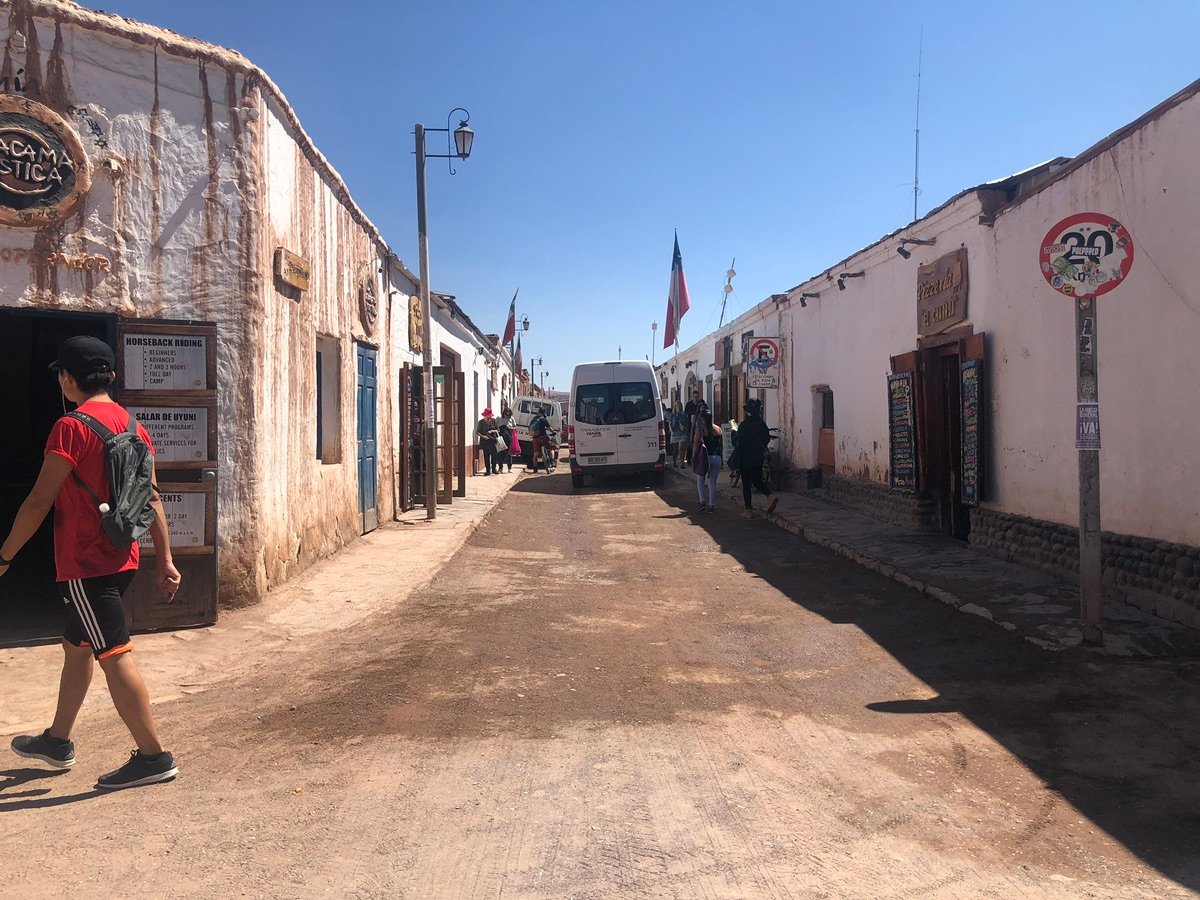
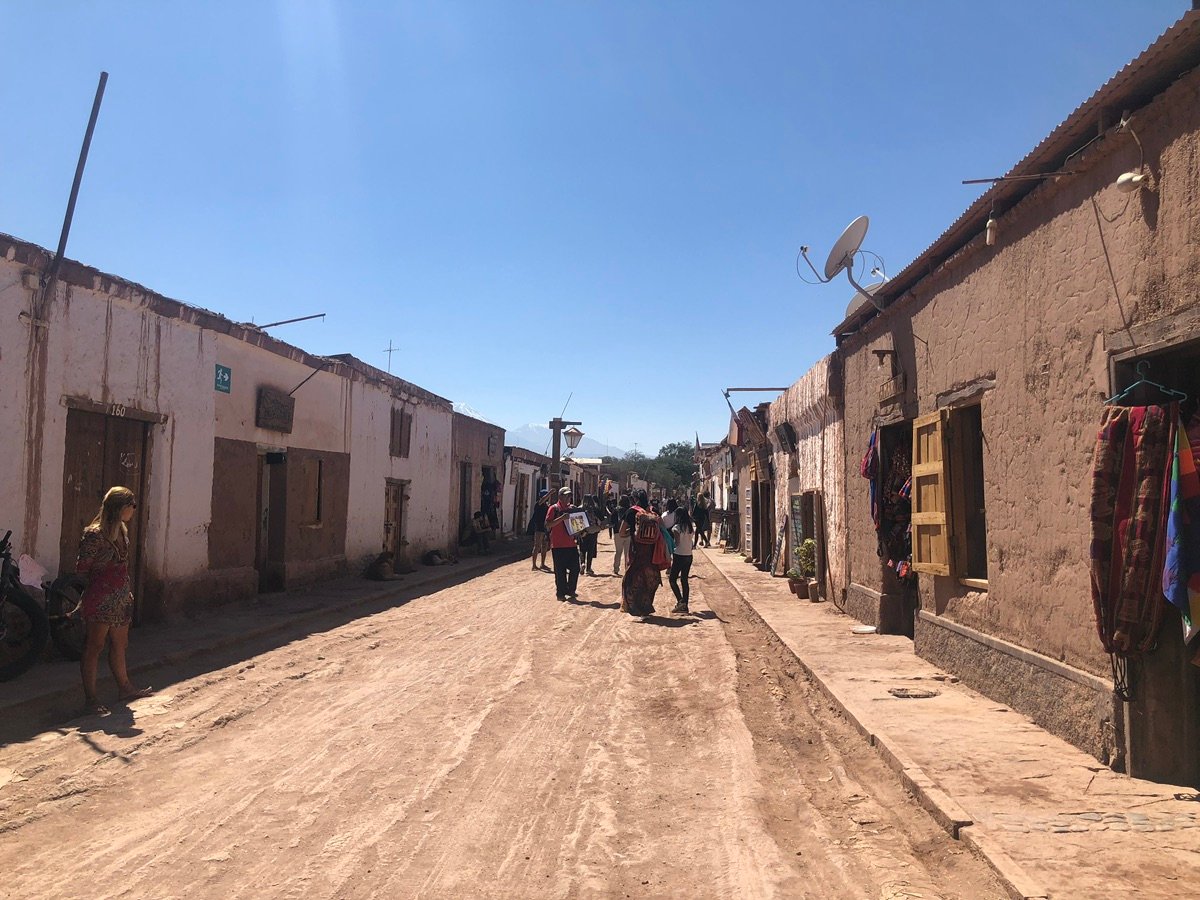
Stepping onto Calle Caracoles, the main street of San Pedro de Atacama in Chile, feels like entering a different world. You’re surrounded by simple adobe buildings and a dusty path, with the vast, dry mountains of the Atacama Desert stretching out in the distance. It’s the kind of street that instantly makes you feel connected to the desert’s heart, far from any big city bustle.
The Old Trails That Became Today’s Heartbeat
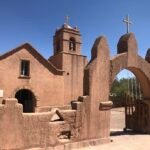
Before tourism, San Pedro de Atacama was an ancient oasis, a vital stop for caravans crossing the world’s driest desert. Calle Caracoles itself was one of these main arteries, a winding path that saw centuries of trade and daily life for the indigenous Lickanantay people. That history is still visible in the buildings today: thick adobe walls, traditional wooden doors often painted bright blue, and low-slung roofs designed to withstand the desert’s extremes. It’s not just a street; it’s a living archive of how people have adapted and thrived in such a harsh environment for thousands of years. You can still see a mix of old houses now converted into tourist shops, but the structure remains very traditional.
Where Dust and Blue Sky Define the Day
The feeling on Calle Caracoles is a unique blend of calm and understated activity. The unpaved street means a constant, fine dust underfoot, but it adds to the authentic desert town atmosphere. In the mornings, the light is incredibly sharp against the soft tones of the adobe, making every detail pop. As the day goes on, shadows stretch long, offering cool respite from the sun. You’ll hear a mix of Spanish, English, and other languages, see backpackers mingling with locals, and bikes parked everywhere. There’s a certain quiet hustle, with shops opening, tour agencies promoting trips, and the smell of local food starting to drift from small eateries. It makes you slow down and simply observe.
Best Timing
For the best experience on Calle Caracoles, try visiting in the early morning, right after sunrise, or in the late afternoon, an hour or two before sunset. In the morning, the street is quieter, the light is beautiful for photos, and it’s cooler before the midday heat sets in. In the late afternoon, the sun casts long, dramatic shadows, and the town starts to come alive as people return from tours and head out for dinner. Many shops and restaurants are open from around 9 AM to 10 PM.
Pro-tip: Grab a coffee from a local spot in the morning and just watch the town wake up. It’s a peaceful start to the day.
Climate & Best Season
The Atacama Desert has an extreme desert climate: very dry, with significant temperature swings between day and night.
Summer (December to February): Daytime temperatures average around 25-30°C (77-86°F), but nights can drop to 10-15°C (50-59°F). This is also the “Altiplanic Winter,” which means occasional, short afternoon thunderstorms, especially in January and February.
Winter (June to August): Days are milder, averaging 15-20°C (59-68°F), but nights get much colder, often dropping to 0-5°C (32-41°F), sometimes even below freezing.
Best to visit: The shoulder seasons of Spring (September to November) and Autumn (March to May) offer the most comfortable weather with warm days and less extreme cold at night. There’s almost no rain during these periods, making it ideal for both exploring the town and taking desert excursions.
Must-See Details
When walking down Calle Caracoles, keep an eye out for these specifics:
- The Adobe Walls: Notice the texture and varying shades of brown. These thick, earthy walls keep the buildings cool during the day and warm at night.
- Bright Blue Doors: Many traditional houses and shops feature vibrant blue doors, offering a beautiful contrast against the adobe. They make for great photos.
- Artisan Shops: You’ll find many small stores selling local crafts, textiles, and jewelry made from volcanic stones or local metals like copper.
- Chilean Flag: Look for the Chilean flag waving, a proud symbol of the country even in this remote desert town. It’s usually on a flagpole high up, sometimes attached to a building.
- Street Lamps: The unique, rustic street lamps with their geometric patterns fit perfectly with the town’s traditional aesthetic. They look particularly atmospheric at dusk.
Traveler’s Memo
Access
San Pedro de Atacama is typically accessed by flying into El Loa Airport (CJC) in Calama, then taking a shuttle bus (about 1.5 hours) to San Pedro. Once in town, Calle Caracoles is easily walkable from anywhere in the town center, as San Pedro is quite small and pedestrian-friendly. Many hotels and hostels are just a few blocks away.
Budget
San Pedro de Atacama can be a bit pricier than other parts of Chile due to its remote location and popularity with international tourists. Expect to pay around CLP $10,000-20,000 (US $10-20) for a meal at a casual restaurant. Souvenirs and crafts on Calle Caracoles can range from CLP $5,000-50,000 (US $5-50) depending on the item. Accommodation varies greatly, from budget hostels to boutique hotels, so plan according to your preferences.
Recommended Gourmet
While on Calle Caracoles or nearby streets, look for traditional Chilean and Andean dishes. Try empanadas (savory pastries), cazuela (a hearty stew), or dishes featuring local ingredients like quinoa. Don’t miss out on trying a Pisco Sour, a classic South American cocktail. There are several good restaurants right on Caracoles or just off it. For something quick, try a completo, Chile’s version of a hot dog.
Nearby Spots
- Valle de la Luna (Valley of the Moon): Just a short drive, known for its otherworldly landscapes and incredible sunsets.
- Termas de Puritama: Natural hot springs perfect for relaxing after a day of exploring.
- Laguna Chaxa: A salt lagoon where you can often spot flamingos, part of the Salar de Atacama.
FAQ
Is Calle Caracoles safe to walk at night?
Yes, Calle Caracoles is generally safe to walk at night, as it’s the main street with many restaurants and people around. Always be aware of your surroundings, like in any tourist area.
Are there ATMs or currency exchange offices on Calle Caracoles?
Yes, you can find a few ATMs and currency exchange offices (casas de cambio) on or very close to Calle Caracoles, but it’s always good to have some local currency (Chilean Pesos) with you.
What kind of shops can I find on Calle Caracoles?
You’ll find a variety of shops including souvenir stores, artisan craft shops, clothing stores (especially for cold weather gear), tour agencies, and small grocery stores.
Is Calle Caracoles suitable for families with children?
Yes, it’s generally family-friendly. The street is pedestrian-heavy, and many restaurants cater to various tastes, making it comfortable for families to explore.