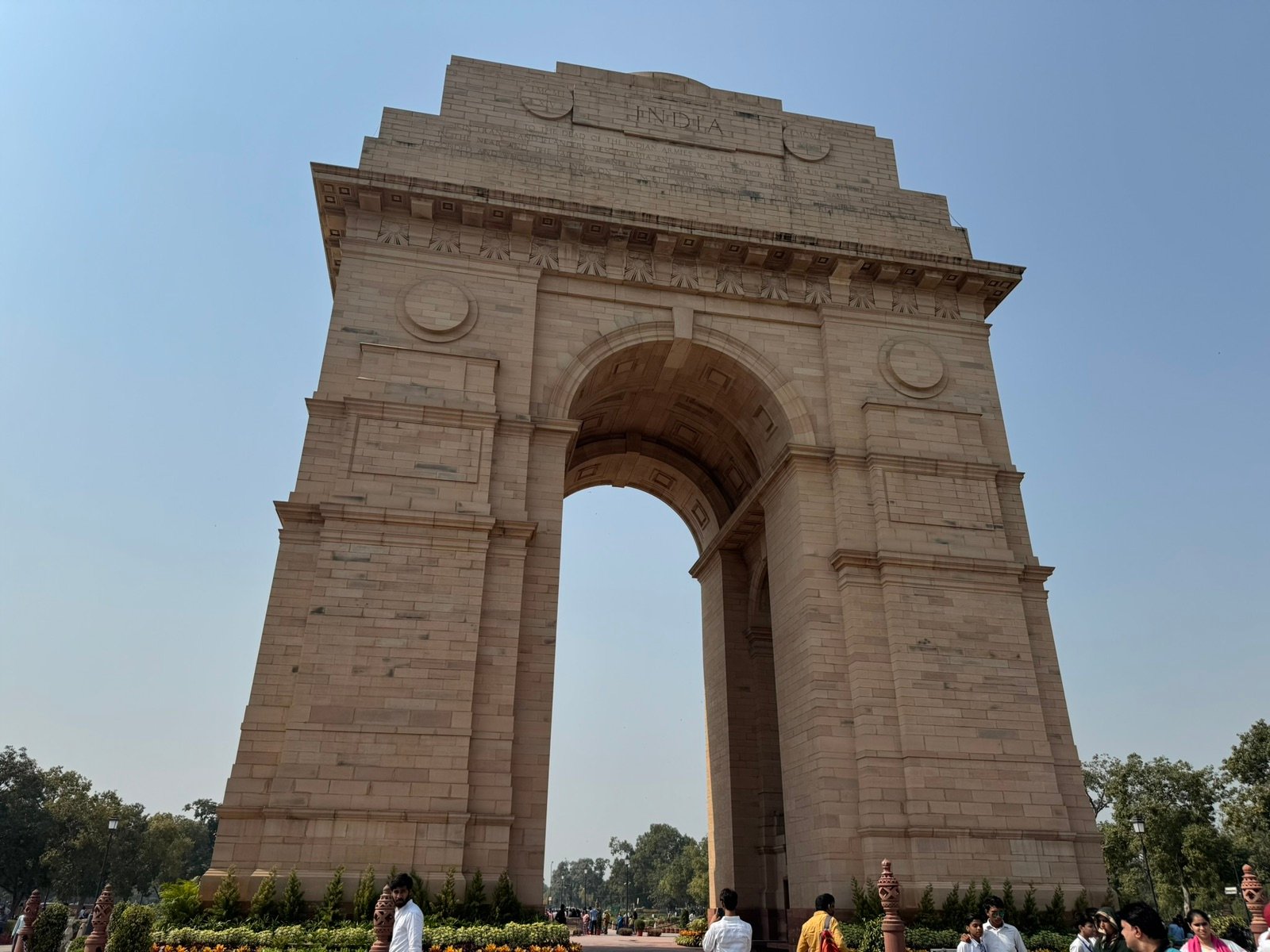
You’ve probably seen this grand arch in New Delhi in guidebooks or maybe even from a train window. But standing right in front of it, the India Gate feels so much more impactful than any photo can capture. This colossal monument is actually a war memorial dedicated to Indian soldiers who died in World War I and other campaigns. It truly symbolizes India’s history and spirit.
What makes India Gate more than just an arch
Knowing the history behind this gate makes it much more than just a tourist spot; it reveals a profound meaning. India Gate was designed by the British architect Edwin Lutyens and construction began in 1921. It commemorates the approximately 90,000 Indian soldiers who died in World War I and the Third Anglo-Afghan War, with their names inscribed on the monument. At its core, the ‘Amar Jawan Jyoti’ (Flame of the Immortal Soldier) burns perpetually, a post-independence memorial to fallen soldiers.
The feeling of standing right beneath it
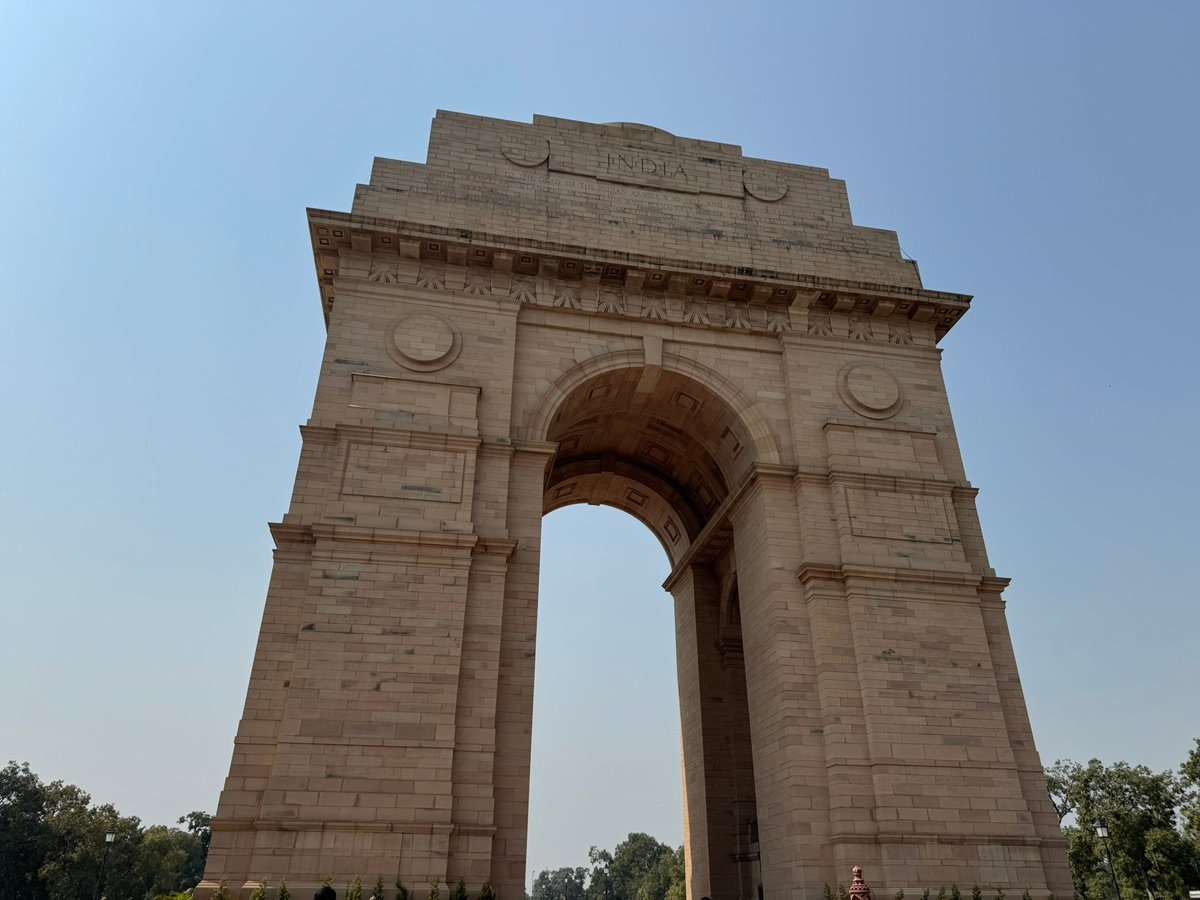
When you stand directly beneath the gate, its sheer scale is genuinely breathtaking. At 42 meters tall, you have to crane your neck significantly just to see the top. The surrounding area is a vast expanse of lawns and beautiful gardens, which come alive, especially in the evening, with locals picnicking or strolling. There’s a vibrant yet solemn atmosphere, offering a tangible sense of India’s multifaceted identity.
Look closely at the names carved into the arch
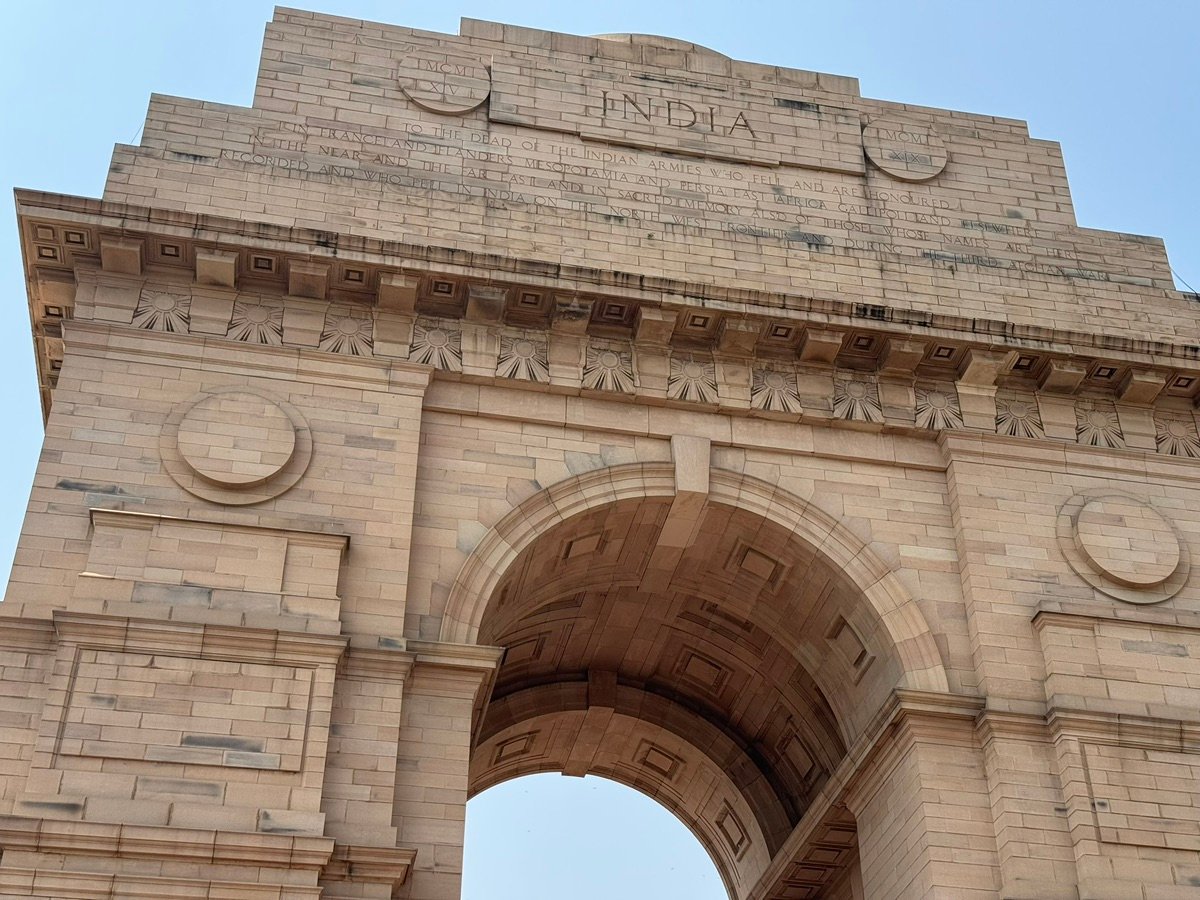
While many visitors are busy taking photos or enjoying the view, I really recommend taking a moment to look at the countless names of soldiers carved into the walls of the gate. Seeing each name, you can’t help but feel a profound sense of the individual lives lost, which is quite moving. Visiting not just as a landmark but as a place to remember their sacrifice offers a different, deeper emotional experience.
The arch design is actually pretty special
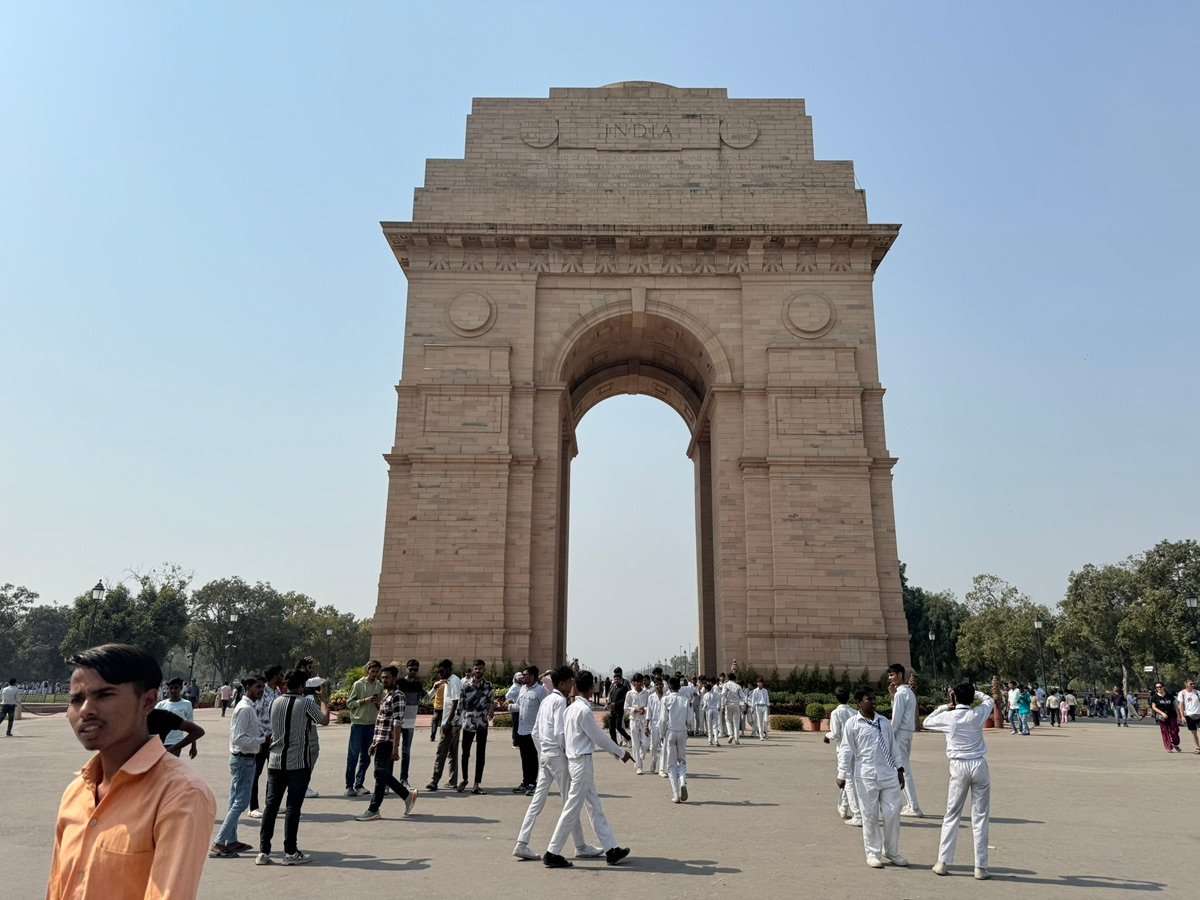
Although India Gate is often said to be inspired by the Arc de Triomphe in Paris, you’ll notice unique Indian architectural elements upon closer inspection. It’s constructed from beige sandstone, and its texture and color look especially striking against the clear blue New Delhi sky. The word ‘INDIA’ and the construction year in Roman numerals are carved into the upper part of the gate. Its design is simple yet powerful, something you won’t tire of seeing.
It’s also a popular gathering spot for locals
The area around India Gate is always bustling with people. Besides tourists, you’ll see many local families picnicking on the lawns, strolling, and enjoying snacks from street vendors. At night, the gate is beautifully illuminated, creating a completely different, almost magical atmosphere. It’s worth visiting at different times of the day to experience both moods. It’s a place where India’s daily life and history seamlessly merge.
Best Timing
To fully appreciate India Gate, early morning is definitely the best time! If you go around 7 AM, you’ll find fewer tourists, allowing you to experience the gate’s grandeur in peace and take better photos. The soft morning sun hitting the monument is particularly beautiful. It gets quite crowded during the day, so if you want a quiet visit, an early start is key. Evening illuminations are romantic, but be prepared for larger crowds.
Climate & Best Season
New Delhi’s summers (April-June) are incredibly hot, often exceeding 40°C (104°F), so it’s best to avoid visiting during this period. The monsoon season (July-September) brings high humidity and frequent sudden showers. The most recommended time to visit is during the winter season (October-March)! Temperatures average around 10°C-25°C (50°F-77°F), making it comfortable for sightseeing. Especially from November to February, the weather is pleasant with clear blue skies, which beautifully highlight the sandstone of India Gate.
Traveler’s Memo
Access
Getting to India Gate from major parts of New Delhi is easy via the Metro. The nearest stations are ‘Central Secretariat’ or ‘Pragati Maidan’. From there, it’s a short auto-rickshaw or taxi ride, or a walkable distance. Walking allows you to enjoy the surrounding views!
Budget
There is no entry fee for India Gate itself. The surrounding park is also free to explore, so your main costs will be transportation and any food you decide to buy. There are a few souvenir shops, but bargaining is definitely expected!
Recommended Gourmet
Around India Gate, you’ll find many delicious street food stalls. You should definitely try Chaat, a spicy savory snack, or Kulfi, a traditional Indian ice cream. Freshly fried Jalebi is also highly recommended. They’re all affordable and tasty, so give them a try!
Nearby Spots
- National War Memorial: Located just behind India Gate, this newer memorial is equally solemn and well worth a visit.
- Rashtrapati Bhavan: The official residence of the President of India, majestically standing at the end of Rajpath, visible from India Gate. Even seeing it from afar is impressive.
- Parliament House: The seat of India’s legislature, close to Rashtrapati Bhavan. Features a unique circular architecture.
FAQ
Is there an entry fee for India Gate?
No, entry to India Gate is free. You can freely explore the surrounding gardens as well.
How much time do I need to spend at India Gate?
Around 30 minutes to an hour is usually enough to walk around and take photos. If you plan to visit the National War Memorial and other nearby areas, allow about two hours.
Can I take photos at India Gate?
Yes, you are free to take photos at India Gate and its surroundings. It’s particularly popular for photography during early mornings and sunsets.
Is India Gate safe to visit at night?
India Gate is illuminated at night and is usually bustling with locals and tourists, making it relatively safe. However, always be mindful of your belongings and surroundings in crowded areas.
What’s the best way to get to India Gate using public transport?
The New Delhi Metro is the most convenient option. Take the metro to Central Secretariat or Pragati Maidan station, then either walk or take an auto-rickshaw.