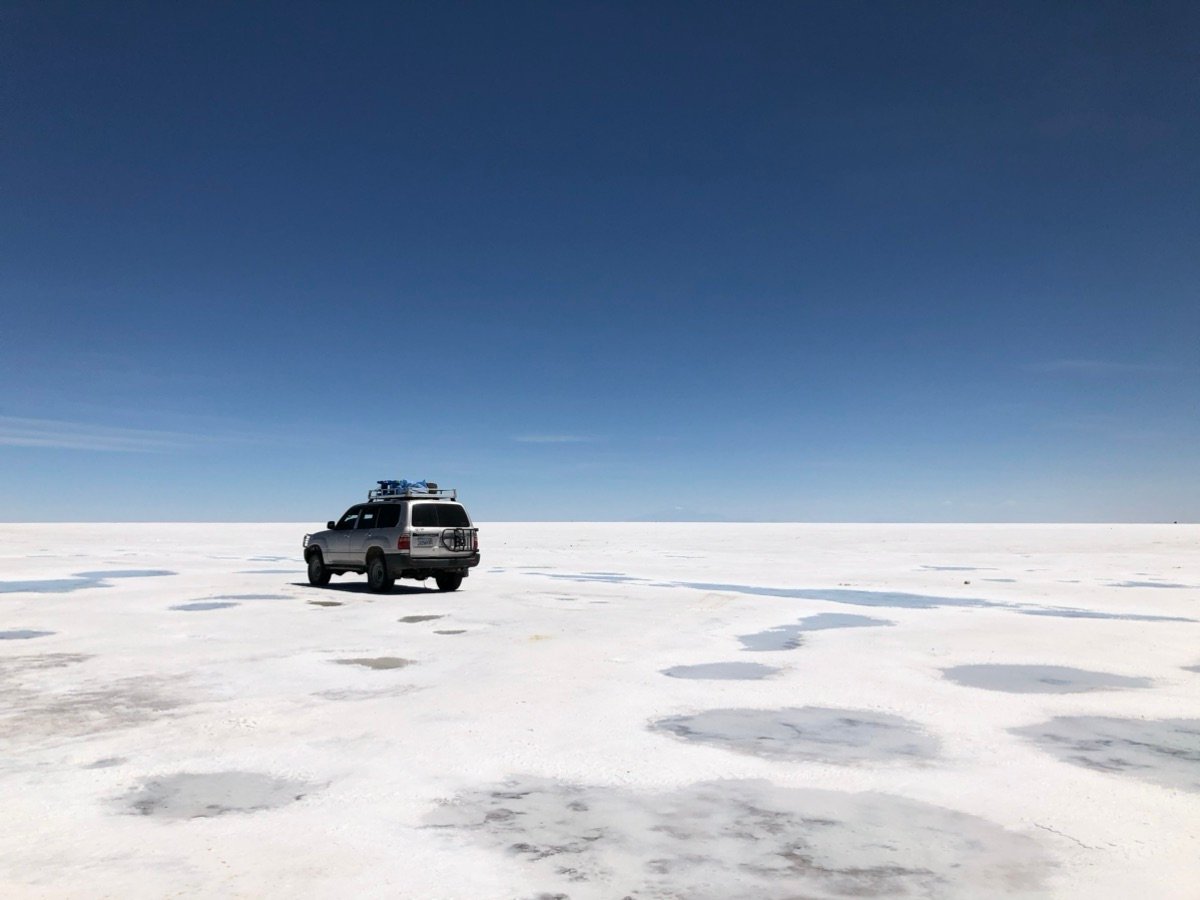
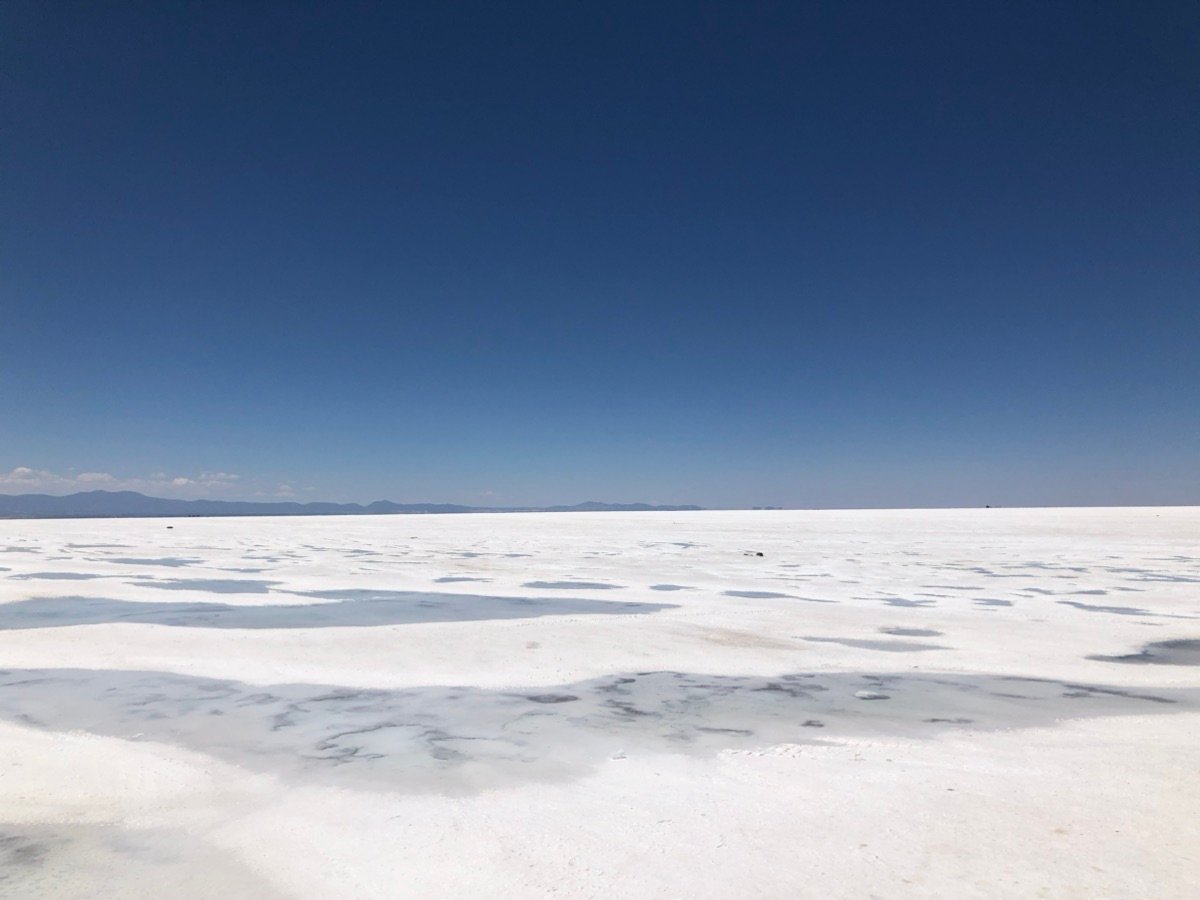
You have probably seen those photos where the sky and ground blend into one infinite mirror. But standing in the middle of Salar de Uyuni in Bolivia during the dry months gives you a completely different perspective. The absolute flatness, the strange hexagonal patterns on the floor, and the silence make you feel like you are on another planet. It is not just about the reflection; the dry season has its own raw appeal.
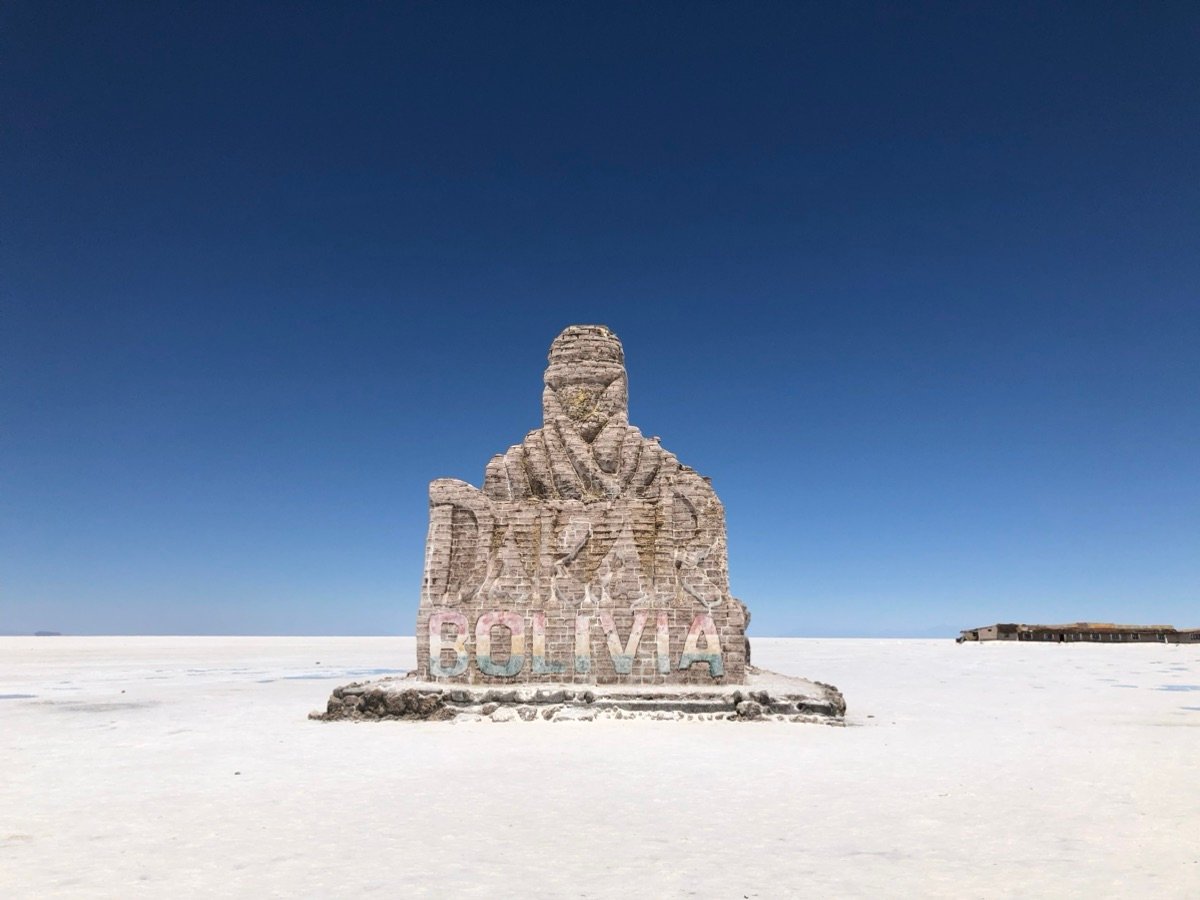
This massive salt flat was once a giant prehistoric lake
Thousands of years ago, this entire region was covered by Minchin, a prehistoric lake that eventually dried up. What remains is a salt crust several meters thick, stretching for over ten thousand square kilometers. It is so flat and white that satellites actually use this surface to calibrate their instruments from space. Walking here, you realize that every step is on ancient history that crystallized over millennia.
The silence here is so loud it makes your ears ring
When the wind stops, the quietness of the flats is almost overwhelming. There are no trees, no buildings, and no birds. The white ground reflects the intense Andean sun so brightly that you need dark sunglasses just to keep your eyes open. The air is thin, crisp, and cold, especially when the afternoon wind starts blowing across the high plateau.
Those weird hexagonal salt patterns on the ground
As the water evaporates, the salt crust dries and shrinks, cracking into thousands of interlocking hexagons. They look almost artificial, like a giant paved plaza. If you kneel down, you can feel the sharp, rough crystals that form these natural borders. It is a detail that gets completely lost when the flats are covered in water.
The giant cacti on a rocky island in the middle of nowhere
Rising out of the white plains is Incahuasi Island, a rocky outcrop covered in massive cacti that are hundreds of years old. Walking up the steep paths of this island gives you a full view of the white expanse surrounding you. It feels like an island in a literal ocean of salt.
The rusting steel ghosts of the train graveyard
Just on the outskirts of Uyuni town, you will find the Train Cemetery. These abandoned nineteenth-century locomotives were left to rust in the salty wind after the mining boom collapsed. Climbing on top of these hollow steel skeletons is a great way to start your adventure before heading deep into the salt flats.
Best Timing
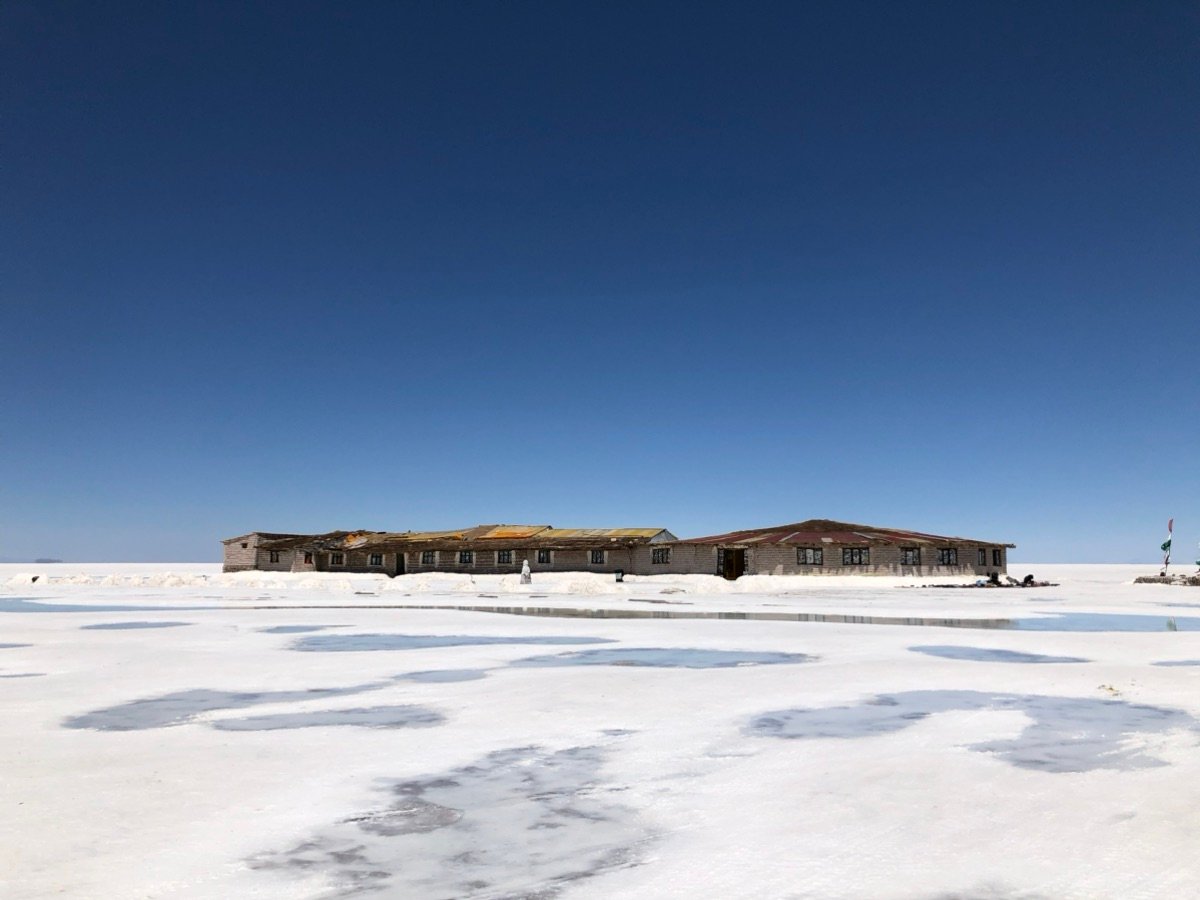
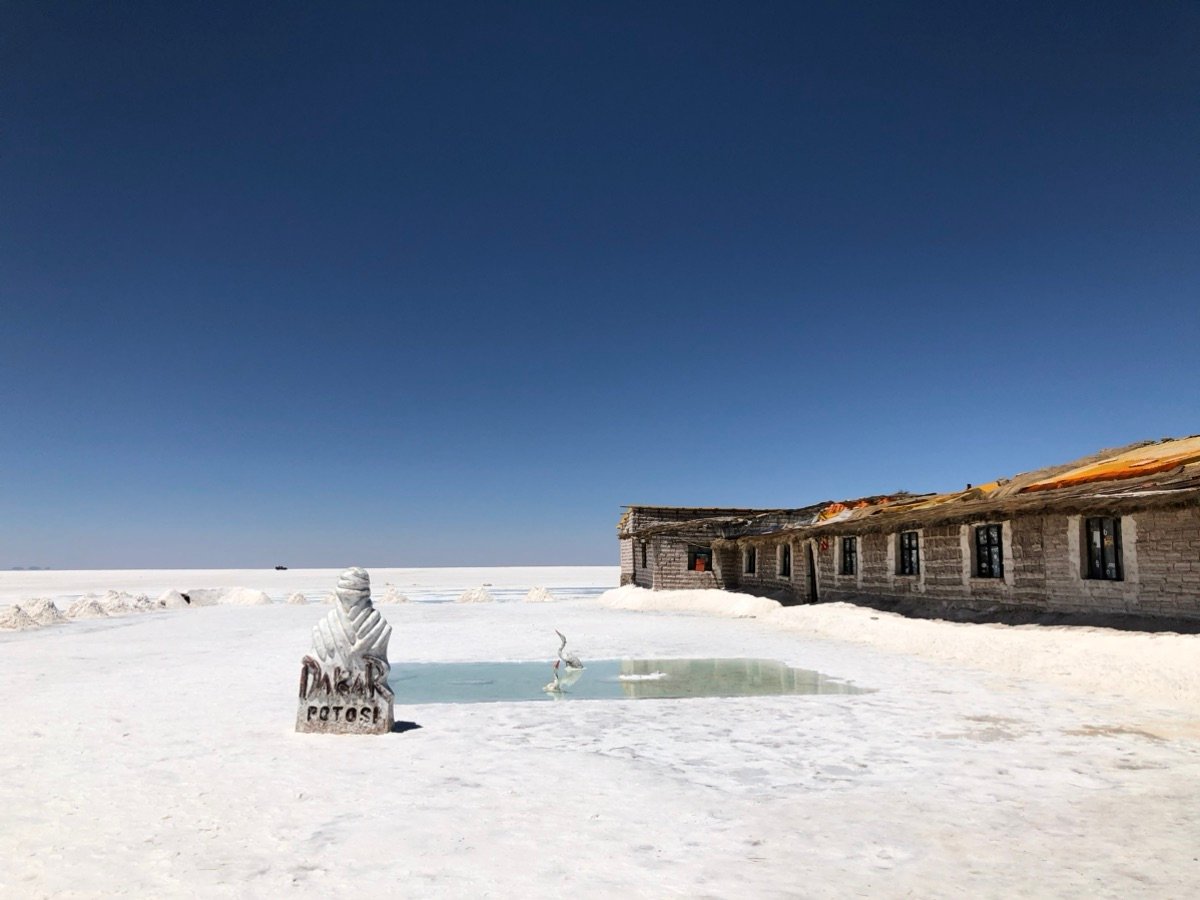
If you want the classic mirror reflection, you have to visit during the wet months, but wind can easily ruin the effect. For clear blue skies and easy vehicle access across the entire flat, the dry winter months are much more reliable. To avoid the biggest crowds, start your day early in the morning before the tour agencies roll out.
Climate & Best Season
The wet season (December to March) brings daytime temperatures between 15°C and 20°C, while nights drop to around 5°C. This is when the rain creates the famous reflection. The dry season (May to October) is freezing cold, with daytime highs of 10°C to 15°C and nights that drop to -15°C. June to August are the coldest but offer the clearest skies.
Traveler’s Memo
Access
You can take an overnight sleeper bus from La Paz, which takes about 9 to 10 hours and costs around 140 to 250 BOB ($20 to $36 USD). Alternatively, a quick 45-minute flight from La Paz to Uyuni costs between $80 and $150 USD one-way.
Budget
While entering the flats is free, you will need a tour to get around safely. Shared 1-day tours cost 200 to 350 BOB ($30 to $50 USD), and 3-day tours are 1,000 to 1,950 BOB ($150 to $280 USD). Make sure to bring cash for extra fees: 30 BOB ($4.30 USD) for Incahuasi Island, and 150 BOB ($22 USD) for the Eduardo Avaroa Reserve on longer trips. Tipping your guide or driver about 70 to 140 BOB ($10 to $20 USD) in total is common practice.
Recommended Gourmet
Try a llama steak for 60 to 90 BOB at sit-down spots like Restaurante Tika. For a cheaper meal, grab quinoa soup for 15 to 30 BOB at local diners along Avenida Potosí. If you wake up early, head to the Uyuni Central Market before 10:00 AM for salteñas (baked meat pastries) and Api Morado (hot purple corn drink) for under 15 BOB.
Nearby Spots
- Train Cemetery: A collection of rusty nineteenth-century locomotives on the outskirts of town.
- Incahuasi Island: A giant cacti-covered rocky outcrop sitting right in the middle of the salt flats.
- Laguna Colorada: A striking red lake filled with thousands of flamingos, usually visited on three-day tours.
FAQ
Do I need to book a Salar de Uyuni tour in advance?
While you can book tours online, you can usually find much cheaper deals by booking directly in Uyuni town a day before or even the morning of the tour.
What should I wear for a dry season tour?
Temperatures plunge to -15°C at night, so bring high-quality thermals, a windproof heavy jacket, gloves, and a warm hat. You will also need strong sunglasses to protect against the salt glare.
Can you visit the salt flats without a guide?
It is not recommended because there are no road signs, landmarks, or cell service on the flats, making it incredibly easy to get lost or get your vehicle stuck in wet patches.